


/file/publisher-c1a3f893382d2b2f8a9aa22a654d9c97/2019/06/e3b9136936b135999ada19d95fa41173.jpg)

LETTER | Concerns over rising extreme ethnonationalism in Sarawak
Ethnonationalism is not an issue, at least in Malaysia, and it is rewarding and overall positive for Sarawak’s take - we gained autonomy and rights that have been agreed upon by our founding fathers through the Malaysia Agreement 1963 (MA63).
But having the notion of ultra-ethnonationalism can be detrimental to the spirit of federalism...
LETTER | Ethnonationalism simply means having strong emotions toward a nation-state, which leads to the appeal of an autonomous region, and henceforth, Sarawak will be most of our context in this writing.
Ethnonationalism is not an issue, at least in Malaysia, and it is rewarding and overall positive for Sarawak’s take - we gained autonomy and rights that have been agreed upon by our founding fathers through the Malaysia Agreement 1963 (MA63).
But having the notion of ultra-ethnonationalism can be detrimental to the spirit of federalism, which has been established through the proposal of the Cobbold Commission and has, by and by, given birth to a federation named Malaysia.
The chant “Sarawak for Sarawakians” (S4S) is often vociferated by some groups that take ethnonationalism too far, with political ideologies of Sarawak regionalism and nationalism, or the more extreme separatism, which advocates the secession of Sarawak from the Federation of Malaysia.
Both Parti Bumi Kenyalang (PBK) and Aspirasi campaigned toward an exit referendum or a call for independence in recent state elections.
Yes, Gabungan Parti Sarawak’s (GPS) stance is leaning toward Sarawak regionalism, but not to the extent of separatism, to the same degree as PBK and Aspirasi. Hence, the context here is the aforementioned parties.
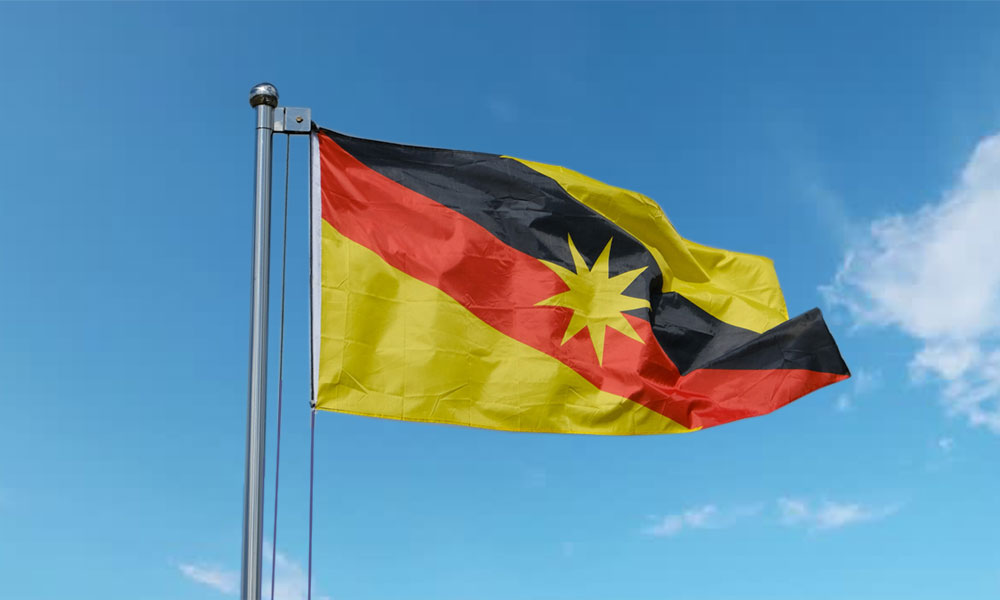
There is also a group that has always blamed Malaya for the underdeveloped state of affairs in Sarawak, while a certain number of our Sarawak politicians (not all) have been busy enriching only themselves.
Some people in the rumah panjangs, baruks and kampungs simply have no idea that some of their representatives live in big, spacious bungalows in the city (again, not all), while their basic utilities and social rights in several rural areas - such as water, electricity, health and education are unfortunately limited.
Well, of course, Putrajaya has done several detrimental things that cause the friction between the West and the East that we see now, and the state governments of Borneo-bloc are opportuning the unprecedented political dynamics of the federal government to reinstate the rights of Sabah and Sarawak in exchange for their support.
Reinstating friendly federal-state relationship
Sarawak's former chief minister, the late Adenan Satem, used to have a very close relationship with the then-prime minister Najib Abdul Razak, both personally and politically.
But due to BN’s instability in 2015 and the dismissal of a few main Umno political figures - Muhyiddin Yassin, Mukhriz Mahathir and Shafie Apdal, to name a few - Najib's position was in peril.
Consequently, this was the start of political dependency on Sarawak, which has seen Najib visit Sarawak 53 times from the period of 2015 to 2018. Adenan has smartly gauged the federal government’s fragility to negotiate with Putrajaya in matters pertaining to MA63.
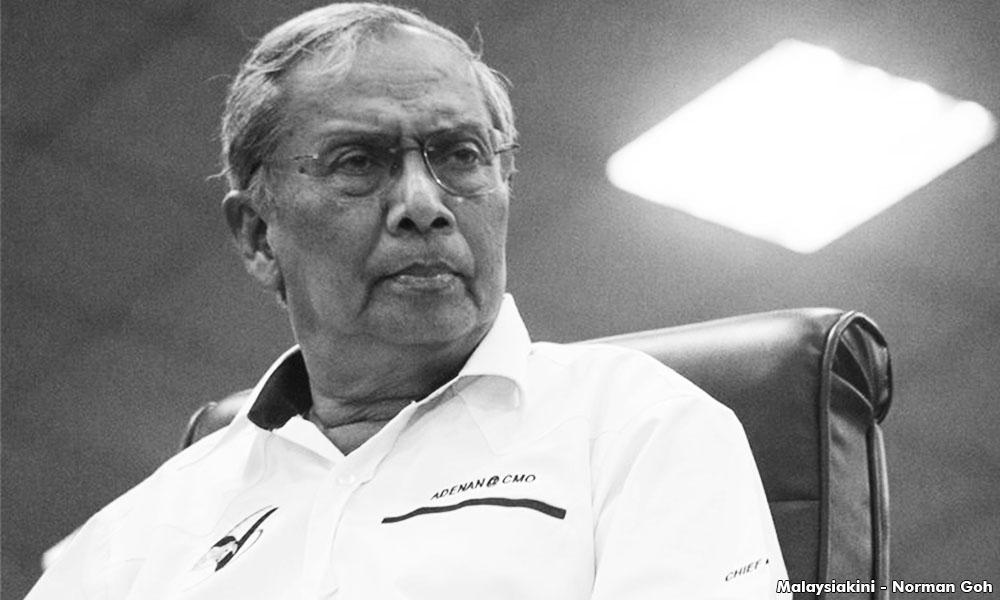
On a side note, the Sarawak ruling parties have been parts of the federal government since the formation of Malaysia, with the exception of the Pakatan Harapan-led government in 2018, until its fall in 2020 due to the infamous Sheraton Move.
Then on, Sarawak MPs or non-MPs have been greatly pampered with positions of ministers or deputies, and posts at government-linked companies (GLC) as loyalty benefits, as the federal government cannot be formed without seats from the Borneo bloc.
Sarawak Premier Abang Johari Openg, has an epic standpoint to negotiate with Putrajaya.
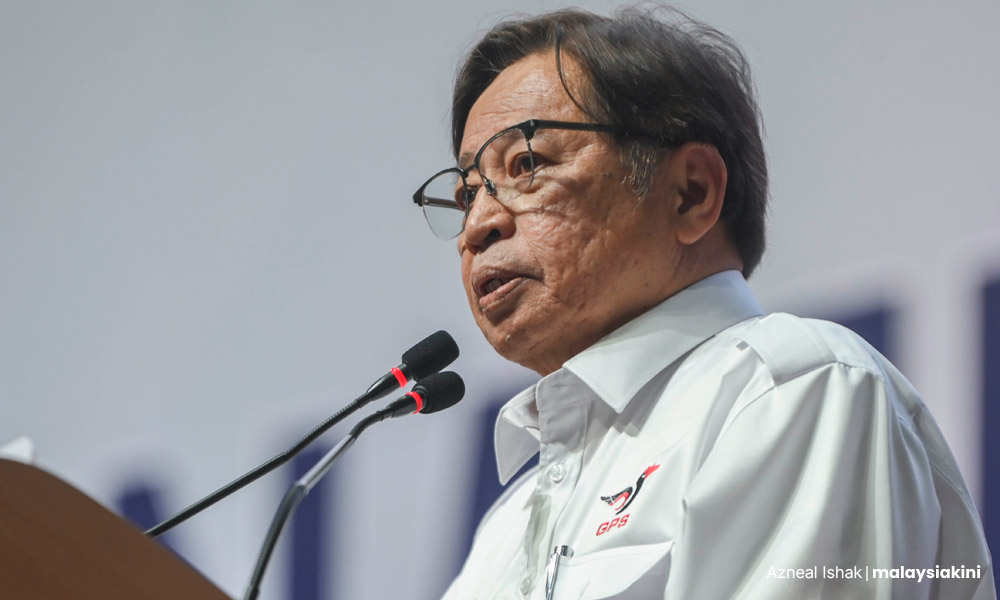
As of now, any coalition to form the federal government will have to join forces with the Borneo bloc, and that means catering to their requests, both administrative (Sarawak’s representative in the Inland Revenue Board) and economically (SST, power over spending, etc.), that are enshrined in Schedule 9 of the Federal Constitution.
Demands by several parties: Heed carefully
There are two scenarios that could lead to Sarawak’s downfall and political instability and eventually result in the worst-case, secession.
First, a worrying increase in race-based politics and religious extremists in Peninsula Malaysia will trigger our very own racial sentiments that are unavoidable.
Second, the unwillingness of the state government to at least listen and cater to some demands and low-hanging fruits demands of local NGOs, especially from the recent Bornean activists that asserted through a joint statement: “Only Malay-Muslim government is a ‘syiok sendiri’ idea.”
I believe that Abang Johari is a visionary and tactically wise man, and he better be.
But until then, Dum Spiro Spero. Happy National Day.
The views expressed here are those of the author/contributor and do not necessarily represent the views of Malaysiakini.
/file/publisher-c1a3f893382d2b2f8a9aa22a654d9c97/2023/04/b8df1dc9b12a4007d54be897f75a0dcb.jpg)
/file/publisher-c1a3f893382d2b2f8a9aa22a654d9c97/2020/09/620ef31ccdc868bdd4e940eae6f6c3ce.jpg)
/file/publisher-c1a3f893382d2b2f8a9aa22a654d9c97/2023/04/009da7e11bf01e771574a8edef38c1bb.jpg)
/file/publisher-c1a3f893382d2b2f8a9aa22a654d9c97/2023/05/011e245959a7f0f7dd34b4dce06aca47.jpg)
/file/publisher-c1a3f893382d2b2f8a9aa22a654d9c97/2023/05/f23e34a717fd212e9e56b789ed7325be.jpg)
/file/1334/c57f1a5d3ba201612c8a82943f5a4edd.jpeg)


Report this comment
Are you sure you want to delete this comment?
This action cannot be undone.