



LETTER | Insects: Why their role matters to us
LETTER | Discussions on food security, biodiversity loss, and climate change have attracted ample public attention in recent years. Yet one critical environmental issue of major concern to the Consumers’ Association of Penang (CAP), which often goes unnoticed, is the decline of insects.
Insects remain widely misunderstood despite being essential components of healthy, thriving ecosystems, as well as the human diet in many cultures.
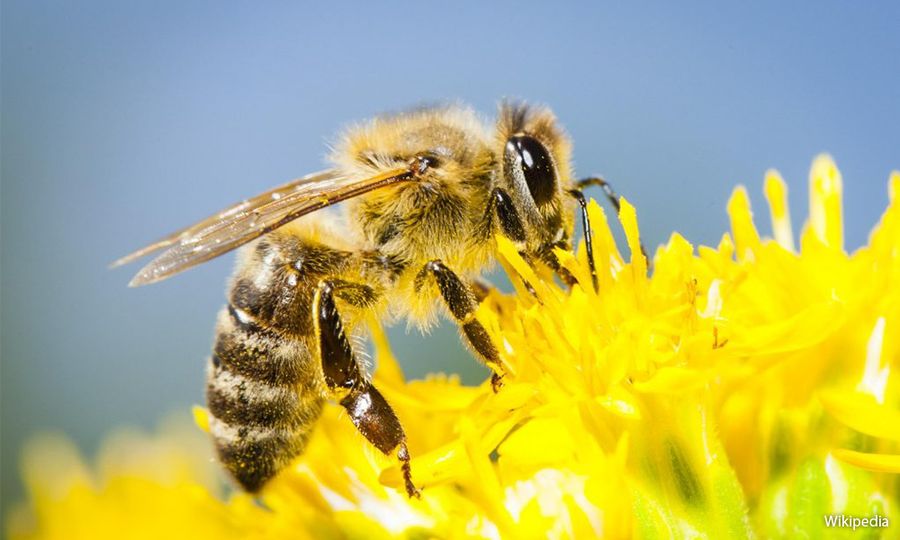
In addition to being a significant component of the diet of many animals, insects occupy a unique and indispensable ecological niche. Insects pollinate plants, recycle and distribute nutrients, control pest populations, and enhance soil fertility, among other things. Without insects, ecosystems would not merely be weakened; they would collapse. Their decline signals a profound threat to biodiversity and food systems.
According to findings published in the National Science Review (August 2023), 90 percent of all angiosperm species or flowering plants such as mangoes, corn, tomatoes, beans, peas, and sweet potatoes, depend on animals for cross-pollination. This reinforces the importance of prioritising the conservation of plant-pollinator interactions in both natural and agricultural ecosystems.
In addition to insects being pollinators, they occupy several other crucial ecological niches. Many beetles, ants, termites, and larvae of flies are nature’s decomposers, performing a valuable service as earth’s cleanup crew, such as recycling dead matter to generate compost, enriching the soil for plants.
Similarly, predatory insects such as parasitic wasps, ladybugs, and dragonflies are three examples of the many insect predators that control pest populations, lowering the need for chemical pesticides, thus contributing to a rich and thriving ecosystem.
At the same time, even though insects have been deemed an indispensable part of the ecosystem, they still face an existential threat. Insects suffer mightily from the same environmental issues that plague all other forms of wildlife, including climate change, exotic species invasion, pollution, pesticide use, and habitat fragmentation.
With urbanisation and industrialised farming destroying extensive natural habitats, insects lose the locations where they reproduce, feed, and shelter. Crop yields will be affected if creatures that help plants grow disappear due to habitat loss and climate change.
Major global studies have recorded a significant drop in insect populations around the world. The decline in bird numbers appears to be related to reductions in insect biomass, which is concerning given mounting evidence that insect declines are associated with decreasing bird abundance.
Insects are commonly misunderstood by the general public because of the way in which they are portrayed as creepy crawlies that humans have a strong dislike or aversion towards. It is factual that there do exist certain kinds of insects that can be categorised as pests which bring harm to humans and agriculture.
Yet this represents only a minute portion of the insects that populate Earth. The majority are inoffensive and downright helpful creatures, which play vital roles in keeping the environment thriving and supporting overall biodiversity.
Insects are essential to ecosystems, which in turn are crucial for sustaining human life. Insect extinction is a critical crisis that remains overlooked.
Insects are integral, indispensable, and existential components of functioning ecosystems. Without insects, the foundations of biodiversity, food security, and planetary health would collapse.
It is time to confront this reality with the seriousness it demands. Recognising and protecting the vital role of insects is critical. It is a prerequisite for safeguarding the future of our environment, our food systems, and ultimately, human survival.
MOHIDEEN ABDUL KADER is CAP president.
The views expressed here are those of the author/contributor and do not necessarily represent the views of Malaysiakini.
LETTER | Discussions on food security, biodiversity loss, and climate change have attracted ample public attention in recent years. Yet one critical environmental issue of major concern to the Consumers’ Association of Penang (CAP), which often goes unnoticed, is the decline of insects.
Insects remain widely misunderstood despite being essential components of healthy, thriving ecosystems, as well as the human diet in many cultures.
In addition to being a significant component of the diet of many animals, insects occupy a unique and indispensable ecological niche. Insects pollinate plants, recycle and distribute nutrients, control pest populations, and enhance soil fertility, among other things. Without insects, ecosystems would not merely be weakened; they would collapse. Their decline signals a profound threat to biodiversity and food systems.
According to findings published in the National Science Review (August 2023), 90 percent of all angiosperm species or flowering plants such as mangoes, corn, tomatoes, beans, peas, and sweet potatoes, depend on animals for cross-pollination. This reinforces the importance of prioritising the conservation of plant-pollinator interactions in both natural and agricultural ecosystems.
In addition to insects being pollinators, they occupy several other crucial ecological niches. Many beetles, ants, termites, and larvae of flies are nature’s decomposers, performing a valuable service as earth’s cleanup crew, such as recycling dead matter to generate compost, enriching the soil for plants.
Similarly, predatory insects such as parasitic wasps, ladybugs, and dragonflies are three examples of the many insect predators that control pest populations, lowering the need for chemical pesticides, thus contributing to a rich and thriving ecosystem.
At the same time, even though insects have been deemed an indispensable part of the ecosystem, they still face an existential threat. Insects suffer mightily from the same environmental issues that plague all other forms of wildlife, including climate change, exotic species invasion, pollution, pesticide use, and habitat fragmentation.
With urbanisation and industrialised farming destroying extensive natural habitats, insects lose the locations where they reproduce, feed, and shelter. Crop yields will be affected if creatures that help plants grow disappear due to habitat loss and climate change.
Major global studies have recorded a significant drop in insect populations around the world. The decline in bird numbers appears to be related to reductions in insect biomass, which is concerning given mounting evidence that insect declines are associated with decreasing bird abundance.
Insects are commonly misunderstood by the general public because of the way in which they are portrayed as creepy crawlies that humans have a strong dislike or aversion towards. It is factual that there do exist certain kinds of insects that can be categorised as pests which bring harm to humans and agriculture.
Yet this represents only a minute portion of the insects that populate Earth. The majority are inoffensive and downright helpful creatures, which play vital roles in keeping the environment thriving and supporting overall biodiversity.
Insects are essential to ecosystems, which in turn are crucial for sustaining human life. Insect extinction is a critical crisis that remains overlooked.
Insects are integral, indispensable, and existential components of functioning ecosystems. Without insects, the foundations of biodiversity, food security, and planetary health would collapse.
It is time to confront this reality with the seriousness it demands. Recognising and protecting the vital role of insects is critical. It is a prerequisite for safeguarding the future of our environment, our food systems, and ultimately, human survival.
MOHIDEEN ABDUL KADIR is CAP president.




Report this comment
Are you sure you want to delete this comment?
This action cannot be undone.