




Gerakans leadership succession dilemma
Gerakan kicked of its 33rd national delegates conference this morning with a speech from its president of 24 years, Dr Lim Keng Yaik, who reiterated that he would not be relinquishing his post anytime soon.
Gerakan kicked of its 33rd national delegates conference this morning with a speech from its president of 24 years, Dr Lim Keng Yaik, who reiterated that he would not be relinquishing his post anytime soon.
Despite this, the leadership succession plan weighs heavily on the minds of the 2,500-odd delegates.
Fong Swee Heng, a party leader from Terengganu, urged Lim to unequivocally tell members about his retirement plans.
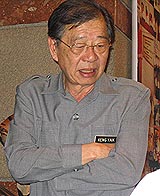 Lim, 65, has previously sent conflicting signals on the matter - not too long ago, he said he was ready to call it quits, citing lethargy and the desire to spend more time with his family.
According to a senior leader, Lim is not expected to leave until he has seen through existing party projects.
At a press conference two days ago, Lim said he could not quit just yet given "all the work which needs to be done".
They include the establishment of the Gerakan-sponsored Wawasan Open University and the construction of another tower block next to the party headquarters - the Menara PGRM 2 - which Lim has comically referred to as the party's twin towers.
The party boss in his speech today said that the projects are expected to go on for at least another two years. This means that he will re-contest the party president post at the Gerakan triennial polls next year.
Other plans are the expansion of the party's divisions by increasing the number of branches and the ongoing programme of closer cooperation between Gerakan and its BN ally, MCA.
Lim, who has been party president since 1980, has had a political career spanning more than 30 years.
Koh to challenge Kerk?
But even if Lim were to retire, members are still at odds on who they prefer as the party chief.
 The most obvious choice is Kerk Choo Ting, who as deputy president is next in line in the party hierarchy. But not many members are too excited by the prospect of the bland Kerk in taking the party's helm.
The most likely rival to Kerk is senior vice-president Dr Koh Tsu Koon. But Koh has appeared rather indecisive about whether to challenge Kerk for the key post.
"Koh has a lot more grassroot-level experience but he is not displaying enough commitment in challenging Kerk for the post of party president," lamented a member.
The source said some members have questioned how much longer the Penang chief minster would want to remain as a state assemblyman, a post he has held since 1990.
 Koh has been urged by some quarters to go into federal politics to better positioned himself to take on the party president post.
"But he might have difficulties in challenging Kerk as Koh was second to him even during their days in Dong Jiao Zhong (a Chinese education movement)," raising the question if his soft approach is done out of respect.
Contests discouraged
Kerk, who was a leader of the influential education group, appears to be certain in inheriting the president's post as contests for leadership posts are strongly discouraged among the country's ruling parties to ensure stability.
Gerakan, which was established in 1968, is 80 percent Chinese Malaysians, and a component party in the ruling Barisan Nasional coalition.
It is believed that Lim could be staying put so that he and Kerk could retired at the same time in the near future and pave the way for younger leaders to take over.
"Echoing the current president's call for fresh blood in the party's leadership, many believe younger leaders such as Koh and (secretary-general) Chia Kwang Chye are more appropriate candidates for the party top leadership," said another member, who requested to remain anonymous.
Kerk, who is agriculture and agro-based industries deputy minister, is only two years younger than party leader Lim.
However, he is considered by some to be deserving of the party chief post because of his unwavering loyalty to Lim - he has been his deputy for 15 years.
Kerk has served in various party top posts since 1982 while Koh was elected the party's youth chairperson in 1983.


Are you sure you want to delete this comment?
This action cannot be undone.