



Sick and disgusted with sexist remarks on nurses’ sleeves
COMMENT It really felt like an immediate response from deep within: insulted, disgusted, and sick of such sexist remarks about nurses wearing short sleeves.
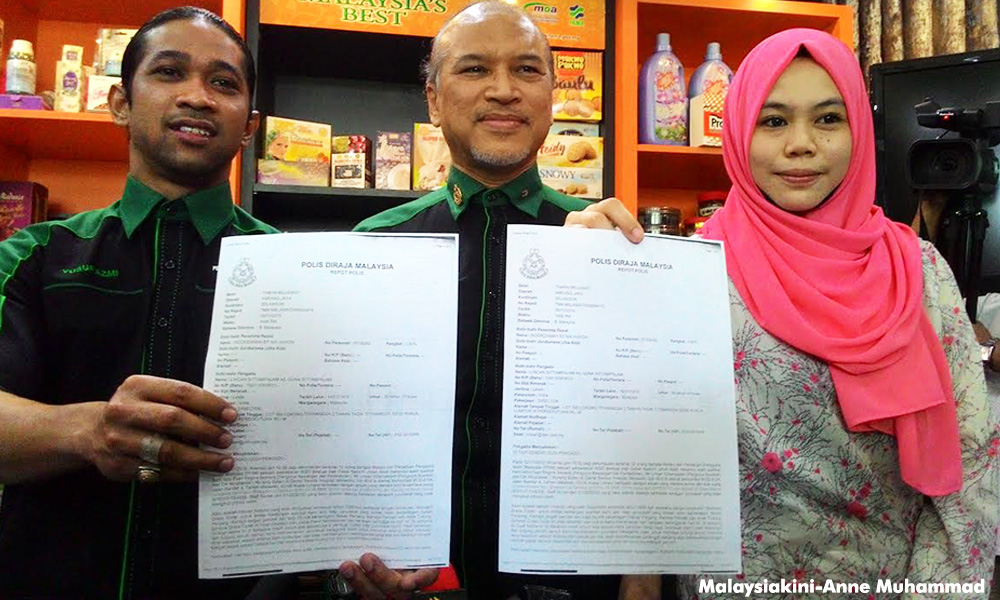
The Malaysian Muslim Consumers' Association (PPIM) chief, Nadzim Johan, recently made a mocking statement about a hospital's insistence to have its nurses wear short sleeves , and he proposed they wear short skirts and bikinis instead.
"That will surely make patients excited," he had said.
Was it really about 'freedom of religion', 'respecting Islam as the official religion of the federation', and never challenge 'the majority'? Or racism?
Yeah, right. Also consider the white paint thrown on the hospital entrance by vigilantes on motorcycles.
In the midst of the various scandals plaguing the country, the whole nation was distracted by a nonsensical debate over long-sleeved versus short-sleeved uniforms for nurses.
And the main issue gets clouded - a dispute between a nurse and her employer, reportedly over her absence from work.
My question to the PPIM chief is: Do you even understand the five steps of handwashing? Do you understand the nature of work for nurses and other healthcare professionals?
Infection control
Infection control plays a very important part of nursing care, be it for the in-patient wards or the outpatient department.
Nurses are allowed to wear long sleeves in government hospitals, even in wards.
Those who are attending to patients, however, must observe strict practices and abide by the protocols of infection control.
Even while wearing long sleeves, nurses will have to roll up their sleeves above the elbow before attending to patients, and especially when performing procedures such as changing of tracheotomy dressing and underwater seal drainage for chest tube patients.
Simple nursing care, such as changing linen and bed baths, also require them to wash their hands, or at least with alcohol rub, before and after each patient under their care.
Nurses, like other healthcare professionals such as doctors, physiotherapists, dietitians, and nutritionists, cannot wear jewelry or watches during clinical practice. Hence, most nurses carry a nurse's watch on their name tags.
‘Bare below elbow’ protocol
The chances of long sleeves getting soiled are much higher than for short sleeves.
Therefore, hospitals accredited by the non-profit Joint Commission International, are strict in implementing ' bare below elbows ' protocol to prevent hospital-acquired infections.
When there is not enough personal protective equipment provided, nurses have to make do with what they have to help patients, including those with infectious diseases such as Hepatitis C, STDs, and HIV.
The current practice is that nurses in the emergency department, operation theatres, and intensive care units must wear short-sleeved scrub uniforms while nursing patients.
Calling nurses who wear short sleeves akin to wearing short skirts and bikinis is a blatant sexist remark made towards all female nurses.
It is despicable, yet I do feel sorry for the PPIM chief’s ignorance and lack of understanding towards the work of nurses.
Unfortunately, his remark does reflect badly on our society.
It is our responsibility, as nurses, to protect the interests of our patients and maintain the safety and quality of nursing care.
Even if I cannot speak on behalf of other nurses, if we are trained as professionals in carrying out our duties, we are bound to uphold our pledge and protect our profession.
Maybe, it is high time the Malaysian Nurses' Association and the nursing division of the Health Ministry clear the air on this matter, rather than let the whole drama spiral into something ugly.
NORMAN GOH is a member of the Malaysiakini Team and was a registered nurse in Singapore.


