



All you need to know about Malacca polls results in under 1,000 words
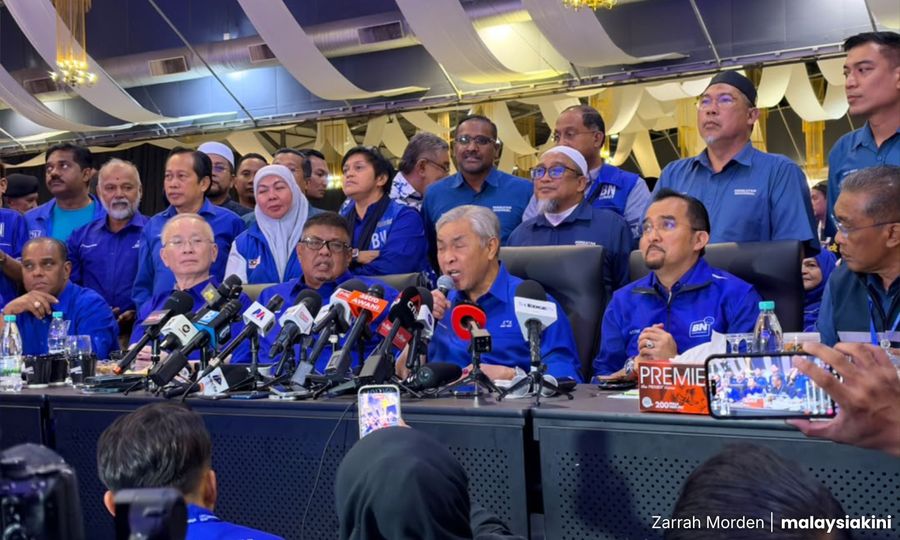
BN and Perikatan Nasional bagged Malacca on Saturday with a supermajority of 24 out of 28 seats as expected.
The results indicate that the Malay unity wave propelling the partners is still going strong, while further weakening Pakatan Harapan’s grip on federal power.
BN and Perikatan Nasional bagged Malacca on Saturday with a supermajority of 24 out of 28 seats as expected.
The results indicate that the Malay unity wave propelling the partners is still going strong, while further weakening Pakatan Harapan’s grip on federal power.
Here’s a quick look at what else you need to know about the state election’s outcome.
‘Malay unity’ trumps Najib, everything
Progressive voters may be outraged that Najib Abdul Razak is now serving house arrest with very favourable conditions, and other scandals such as Tabung Haji and Felda.
But the results of the Malacca polls, from high turnout (an estimated 78 percent of Malay voters cast ballots), to thumping wins across the state, make it clear that it won’t sway how the majority of conservative Malays vote.
“None of that matters as long as they can get a united Malay leadership. That’s more important in the face of the narrative of threats and challenges to Malay-Muslim rights,” Islamic International University Malaysia political analyst Syaza Shukri told Malaysiakini.
The results also continue to show near-perfect vote transferability between the two, and indicate that support levels from the 15th general election are maintained. It also showed that their chances of bagging Putrajaya in the next federal polls are becoming more certain.
READ MORE: BN-PN tsunami could push Harapan to worst GE outcome since 2008, S'gor defeat
DAP is propping up Harapan
Anwar Ibrahim’s party may have contested the most seats for Harapan, but it has proven yet again that it can’t deliver, failing to win a single seat.
Even Anwar’s political secretary Azman Abidin was sent packing in Paya Rumput, only managing to secure just 37.4 percent of votes.

Worst yet, PKR also lost deposits in two of the 10 seats it contested.
Amanah did not fare any better, with state chief and former chief minister Adly Zahari soundly beaten in Bukit Katil, securing just 34.5 percent of votes.
When contacted, Sunway University political scientist Wong Chin Huat agreed with Malaysiakini’s assessment that both parties don’t hold much sway with voters if it were not for DAP.
DAP, meanwhile, remains the only party that has shown it can defend Harapan’s existing seats - retaining all four seats it won previously.
It did manage to pull off a surprise and win Ayer Keroh with a convincing majority despite earlier gloomy forecasts, but this doesn’t mean the party isn’t under pressure and at risk of losing ground in future polls.

Syaza said the results show that Harapan is still failing to communicate the federal government’s successes.
“It is really a referendum on their unhappiness with Harapan’s federal administration. It also means that Harapan has a lot of work to do before GE16 if it wants to challenge BN-PN,” she said.
Kancil party stumbles yet again
Despite setting up shop in Malacca three months ago, Rafizi Ramli’s Bersama failed to gain enough ground, losing deposits in 15 out of 16 seats contested.
While it did retain its deposit in Bemban with 22.5 percent of votes, this is likely because Pakatan Harapan was not on the ballot there.
In the 14 other seats it clashed against Harapan, it fell short across the board, failing to secure the 12.5 percent of ballots needed to keep its election deposits.
It even came last in Sungai Udang, another seat that Harapan did not contest, falling behind Bersatu in the Malay-majority constituency.

Syaza said this puts into question how viable the party is, even in the Klang Valley, as voters continue to vote pragmatically for parties that it thinks can win.
Writing on the wall for Bersatu
Bersatu’s downward trajectory continues, and it doesn’t seem that rekindling a relationship with Harapan through a confidence and supply agreement is doing much to help it.
At most, it may have helped Bersatu keep deposits in two out of seven seats it contested.
Otherwise, it's quite clear that its supporters are abandoning ship and choosing to stick with the winning side of the Malay rights agenda.
What’s next?
Expect more pressure from BN for Anwar to dissolve Parliament as it continues to trumpet its Malay unity agenda on the path to Putrajaya.
Anwar, however, is likely to resist. He is also not likely to respond to the pressure by booting out BN, as it would undermine the Madani government’s raison d’etre - that it is a unity government serving a royal mandate.

Anwar may, however, ramp up reform efforts in an effort to secure his remaining base - like how he announced that the Universities and University Colleges Act would be abolished after being routed in Negeri Sembilan.
As for Bersama, the party will have to find some way of convincing voters to cast ballots for it, even if it means certain defeat, if it wants to be more than a single-seat party in the next general election.








While Umbo win and Harapan result are no surprise. The newbie Bersama lost is no surprise either. Rafizi has been working hard but after watching few of his campaign speeches, didn’t convince me that his party is ready. All his campaign is more on attacking DSAi.
Report this comment
Are you sure you want to delete this comment?
This action cannot be undone.