


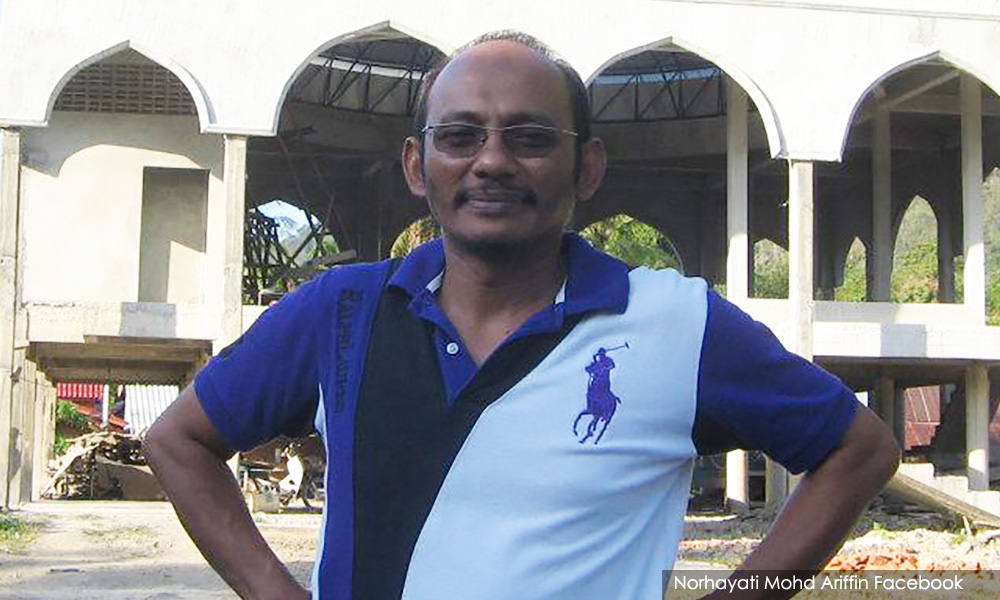

Cops to charge key witness for failing to testify in Amri inquiry
SUHAKAM INQUIRY | Police are charging a key eyewitness for failing to appear before Suhakam’s inquiry into the disappearance of Amri Che Mat.
This was told to the inquiry panel today by a representative from the deputy public prosecutor’s office.
“The Kuala Lumpur contingent police headquarters have been told to charge the witness under Section 174 of the Penal Code,” the representative said...
SUHAKAM INQUIRY | Police are charging a key eyewitness for failing to appear before Suhakam’s inquiry into the disappearance of Amri Che Mat.
This was told to the inquiry panel today by a representative from the deputy public prosecutor’s office.
“The Kuala Lumpur contingent police headquarters have been told to charge the witness under Section 174 of the Penal Code,” the representative said.
The section concerns “non-attendance in obedience to an order from a public servant,” and can be punished with a six-month sentence, an RM2,000 fine, or both.
The witness in question is restaurant owner Saiful Afdzan, who purportedly witnessed Amri’s alleged abduction on Nov 24, 2016.
He refused to appear before the panel, however, claiming the trip would result in a loss in livelihood.
In March, Suhakam lodged a police report against Saiful following a request by the inquiry’s chief commissioner Mah Weng Kwai (centre in photo).
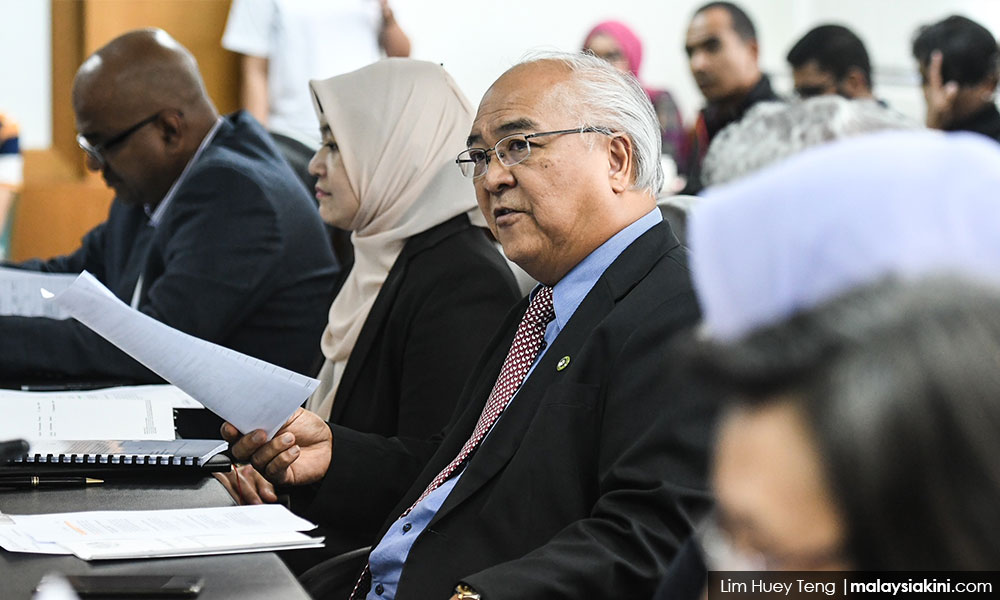
Police observer to the inquiry and Sentul chief R Munusamy confirmed police would be following the DPP’s orders.
“The police will be charging him and we will serve a summon against him (Saiful) to appear in court,” he told the press afterwards, though not offering specific dates.
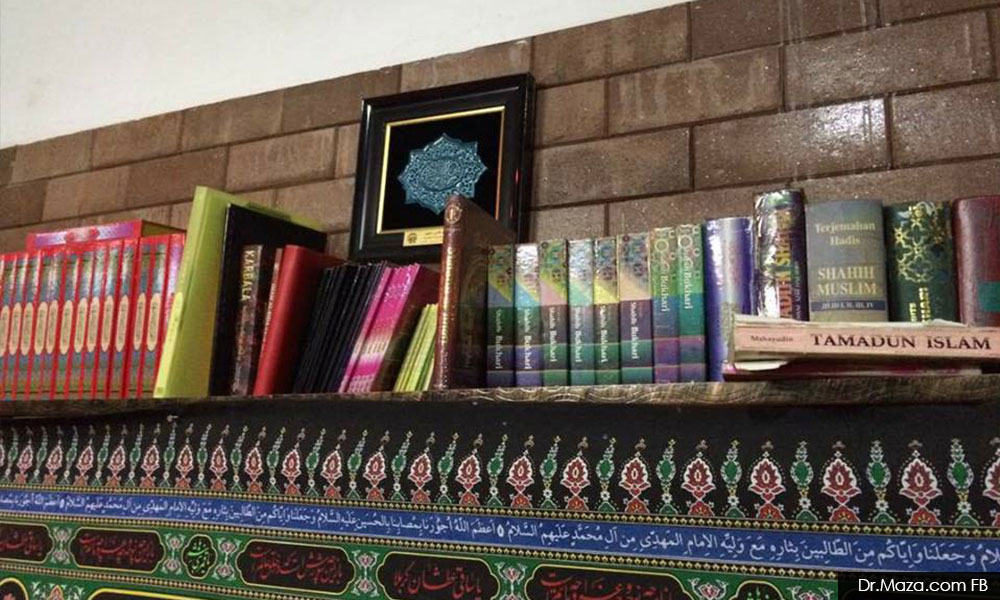
Amri’s home ‘Syiah centre’
Earlier, former Bukit Aman social extremism division principal assistant director Awaludin Jadid was cross-examined over why the Special Branch had been monitoring Amri prior to his disappearance.
Awaludin said that police were gathering information on Amri’s NGO Perlis Hope, which it viewed as a front for Syiah proselytisation activities.
“We were not focusing on Amri alone, but the Syiah issue (as a whole). We do not investigate just one person. We viewed Amri’s house as a Syiah centre,” he told the inquiry.
In 1996, Syiah Islam was outlawed as it was considered a deviant teaching in Malaysia by the National Fatwa Council.
Awaludin, who retired from the force on July 1, explained that his division was tasked with containing potential threats to internal security, which included the spread of Syiah beliefs.
“We see how the Islamic State militants in the Middle East now are in a clash between Sunni and Syiah Muslims.
“So when there are Syiah groups in Malaysia, we do not want the same to happen here,” he testified.
'Enforced or involuntary'
Aside from Mah, today’s inquiry was presided over by commissioners Aishah Bidin and Nik Salida Suhaila Nik Saleh.
Suhakam is investigating whether the disappearances of Amri and two others were “enforced or involuntary,” as defined by the International Convention for the Protection of All Persons from Enforced Disappearance (ICPPED), adopted by the UN General Assembly in 2006.
This is defined as the arrest, detention, abduction or any other form of deprivation of liberty by agents of the state or by persons, or groups of persons acting with the authorisation, support or acquiescence of the state.
Malaysia is not a signatory of the ICPPED.
The inquiry will resume tomorrow.


Report this comment
Are you sure you want to delete this comment?
This action cannot be undone.