


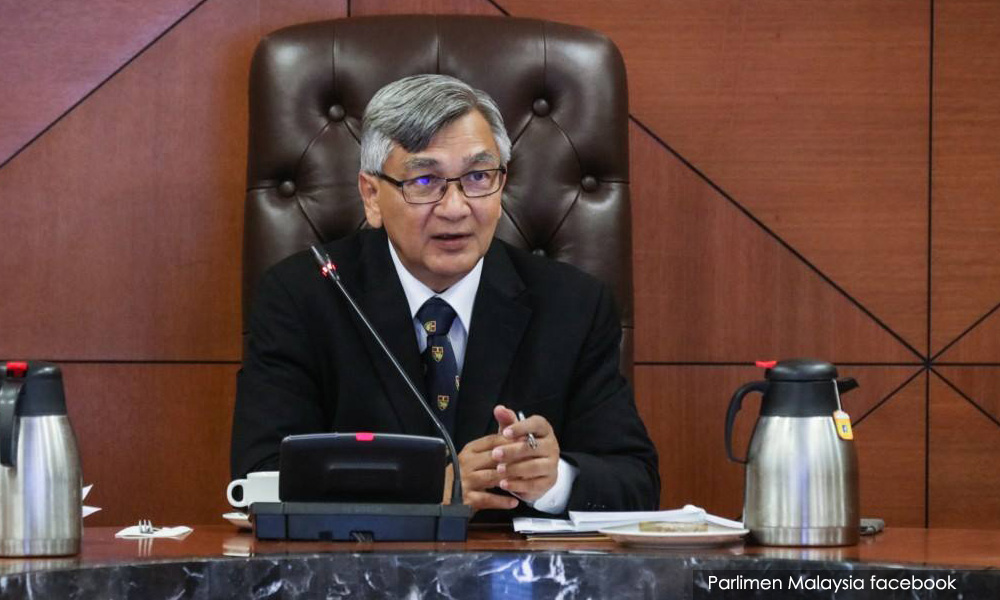

House speaker lifts ban, posers on 1MDB, RM2.6b can be raised now
PARLIAMENT | Questions on 1MDB and RM2.6 billion political donation can be raised again after the Dewan Rakyat speaker Mohamad Ariff Md Yusof today lifted the blanket ban imposed by his predecessor Pandikar Amin Mulia two years ago.
However, Ariff has imposed a ban on parliamentarians from discussing matters pertaining to the criminal charges brought against former premier Najib Abdul Razak based on the interim gag order granted by the High Court on July 4...
PARLIAMENT | Questions on 1MDB and RM2.6 billion political donation can be raised again after the Dewan Rakyat speaker Mohamad Ariff Md Yusof today lifted the blanket ban imposed by his predecessor Pandikar Amin Mulia two years ago.
However, Ariff has imposed a ban on parliamentarians from discussing matters pertaining to the criminal charges brought against former premier Najib Abdul Razak based on the interim gag order granted by the High Court on July 4.
"I have scrutinised and decided that it involves a criminal case in the Malaysian court, and as such, it is not allowed to be discussed, debated and mentioned in the House according to the gag order," he said.
"The ruling is made to respect the court's jurisdiction and (based on) separation of powers."
Last month, Najib Abdul Razak was charged with three counts of criminal breach of trust and one charge of abuse of power in relation to the RM42 million in his personal bank account, believed to have originated from former 1MDB subsidiary SRC International.
The speaker made the ruling after Ismail Mohamed Said (BN-Kuala Krau) on July 25 sought his clarification if the blanket ban on 1MDB and the RM2.6 billion donation imposed by the former speaker was still in effect.
The former Dewan Rakyat speaker had banned the issues from being discussed on March 20, 2016, citing the judicial review brought by the Bar Council against the then attorney-general Apandi Ali's decision to clear Najib of any wrongdoing.
In July 2016, Pandikar said questions on the United States Department of Justice's (DOJ) civil suit involving the alleged misappropriation of 1MDB funds need not be answered in Parliament.
Pandikar made the ruling based on Clause 36(2) of the Standing Order, which states the speaker can limit the speech if he feels the issue will pose subjudice to an ongoing court trial.
Ariff ruled that the subjudice clause should not apply to the civil court case on the 1MDB and RM2.6 billion scandal.
"The principle of subjudice should not be defined in such a manner that it curtails the freedom of speech of the members of the House in their effort to raise national and public issues via the Dewan Rakyat," he said.
"The interest of the involved parties in the civil case will not be affected," said Ariff.


Are you sure you want to delete this comment?
This action cannot be undone.