


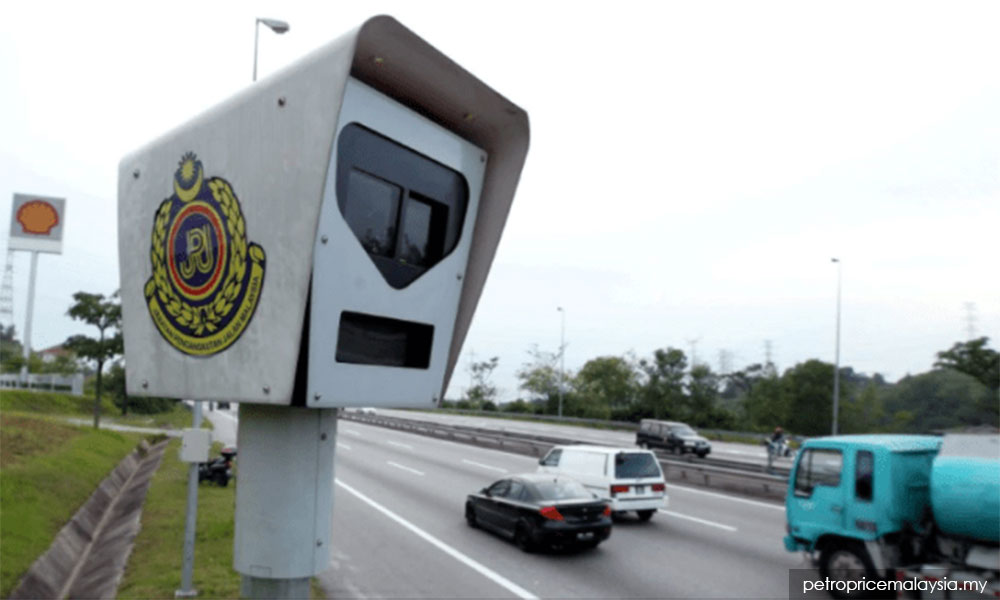

Average of 15,000 traffic offences a day during AES grace period - Loke
The Road Transport Department (RTD) Traffic has recorded a three-fold increase in traffic offences over the past two weeks.
Transport Minister Anthony Loke said this happened during the grace period where it was announced that no summonses would be issued under the Automated Enforcement System (AES) operations between Aug 17 and 31...
The Road Transport Department (RTD) Traffic has recorded a three-fold increase in traffic offences over the past two weeks.
Transport Minister Anthony Loke said this happened during the grace period where it was announced that no summonses would be issued under the Automated Enforcement System (AES) operations between Aug 17 and 31.
Loke said 45 AES cameras nationwide captured an average of 15,000 offences daily during the two weeks, compared to only about 5,000 daily previously.
"This means that many motorists went against the traffic law deliberately, knowing that they would not get tickets.
"This shows the attitude of some drivers who like to go against the law (when there is no enforcement).
"I am truly disappointed," Loke told reporters during a visit to AES Control Centre in Kelana Jaya, Selangor, today.
During the press conference, Loke announced that the ministry would no longer offer any compromise or discounts to errant motorists.
He said as of Sept 1, all offenders caught by AES cameras would be issued with an RM300 fine and also have their demerit points deducted.
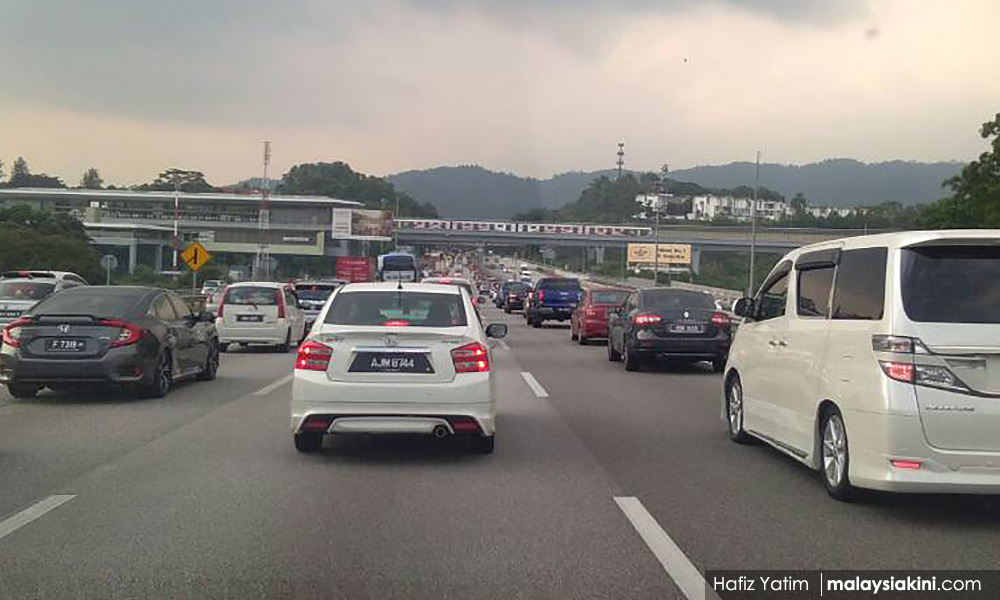
"We have said that there will be strict enforcement soon after we take over AES operations. Our aim is not to punish the people, but to educate motorists about abiding the law.
"Speeding and running traffic lights are irresponsible actions, and we hope through strict enforcement, we would be able to reduce accident rates in the country," Loke added.
No exemption
Under RTD's Automated Awareness Safety System or Awas, motorists face a RM300 maximum fine and a demerit of four points for running traffic lights while for speeding they face the same amount of a fine with demerits of between two and four points.
The demerits for speeding are deducted based on the extent of the speed limit they exceed. They are two demerit points for between one and 25 kilometres per hour, three points for between 25 and 40 km/h and four points for those who exceed 40 km/h more than the speed limit.
Loke said the demerit points for goods transport vehicles and buses, however, were different than that for running traffic lights with drivers facing up to six demerit points. For speeding, they face between four and six demerit points.
When asked if there would be any exemption of summonses for royals and government officials, Loke said only the official vehicles of royals, the prime minister and deputy prime minister were exempted.
He said the exemption did not extend to family members of royals or cabinet ministers and their deputies.


Are you sure you want to delete this comment?
This action cannot be undone.