



Straight line injury on Adib’s back 'not by parang'
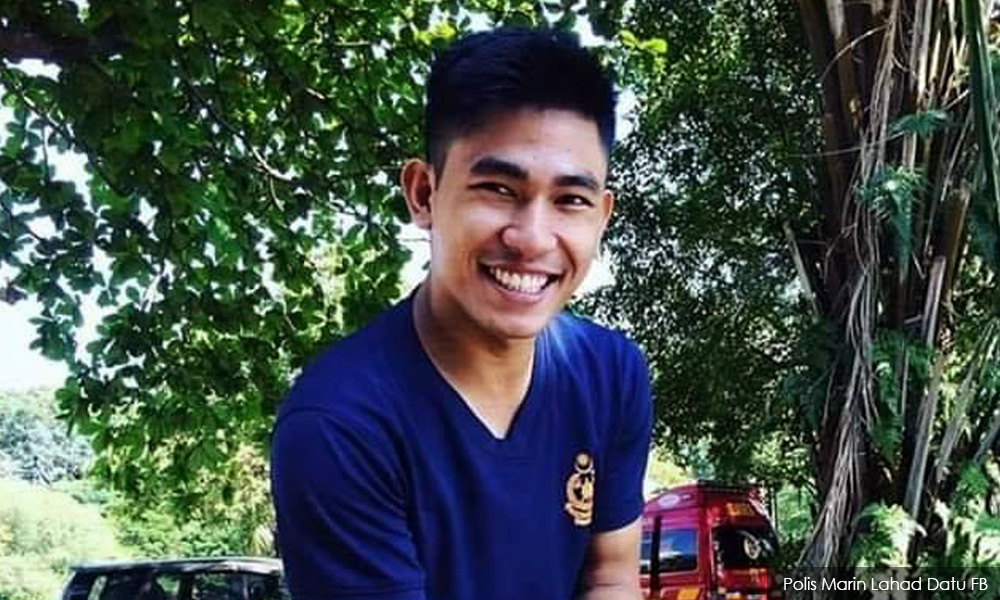
INQUEST | The spine of a parang could not have caused the straight line injury seen on the back of firefighter Muhammad Adib Mohd Kassim, Hospital Kuala Lumpur forensic specialist Dr Ahmad Hafizam Hasmi said today.
Testifying on the 17th day of the inquest into Adib's death, Hafizam told the Shah Alam Coroner’s Court that the impact from someone striking with the spine of a parang was not sufficient to cause the specific back injury that the firefighter suffered...
INQUEST | The spine of a parang could not have caused the straight line injury seen on the back of firefighter Muhammad Adib Mohd Kassim, Hospital Kuala Lumpur forensics specialist Dr Ahmad Hafizam Hasmi said today.
Testifying on the 17th day of the inquest into Adib's death, Hafizam told the Shah Alam Coroner’s Court that the impact from someone striking with the spine of a parang was not sufficient to cause the specific back injury that the firefighter suffered.
Inquest coordinating officer Hamdan Hamzah: From what position can the victim sustain this type of injury?
Hafizam: Based on the fractured third to seventh rear ribs, it is possible that the deceased was in a standing position when he received an impact from a narrow, hard and upright object (to his back).
Hamdan: Can this type of injury be sustained by a person wielding the back of a parang upon the deceased?
Hafizam: The chances (of Adib sustaining such an injury) on the left side of his back by being beaten with such an object (back of parang) is impossible in light of the fractured third until seventh rear ribs.
A person using the object would create an impact which is strong due to a swinging (motion). If the back of the deceased had been struck, what would fracture would only be the rib that received the impact (from the back of a parang).
But in this case, the victim must have been in a standing position and the object (which hit Adib from the back) was also upright.
For someone to strike using an object in an upright way with such force would not result in the current impact (seen on Adib’s back).
If there was swinging (of the parang), the chances of fractures on the third to the seventh ribs would be impossible as it would leave scratch marks.
But the back of the deceased had no such scratch marks. Instead, it was a linear fracture in a straight line. Even in a bent over position, such a movement cannot result in the fracture of the third to seventh ribs.
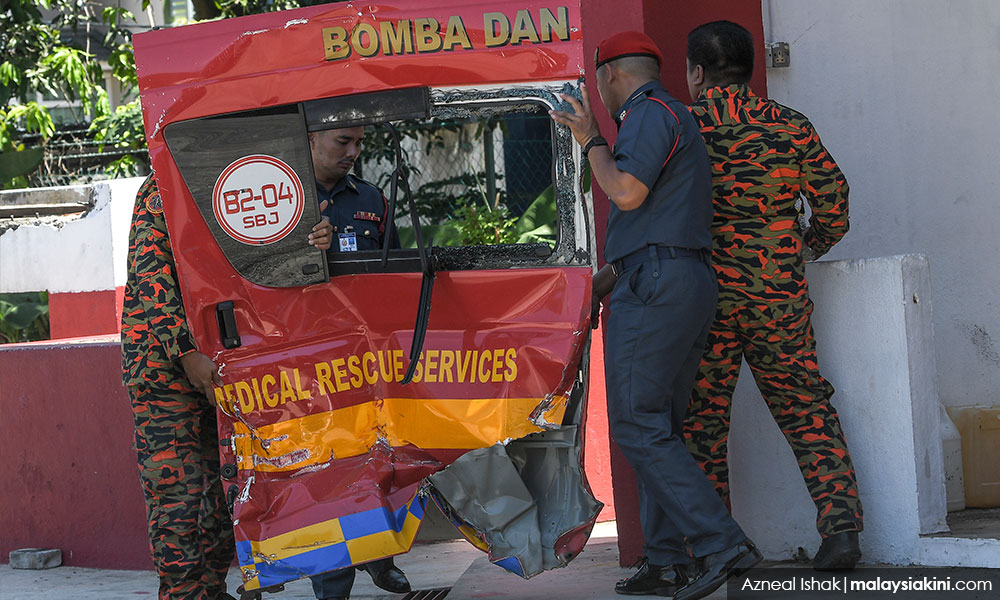
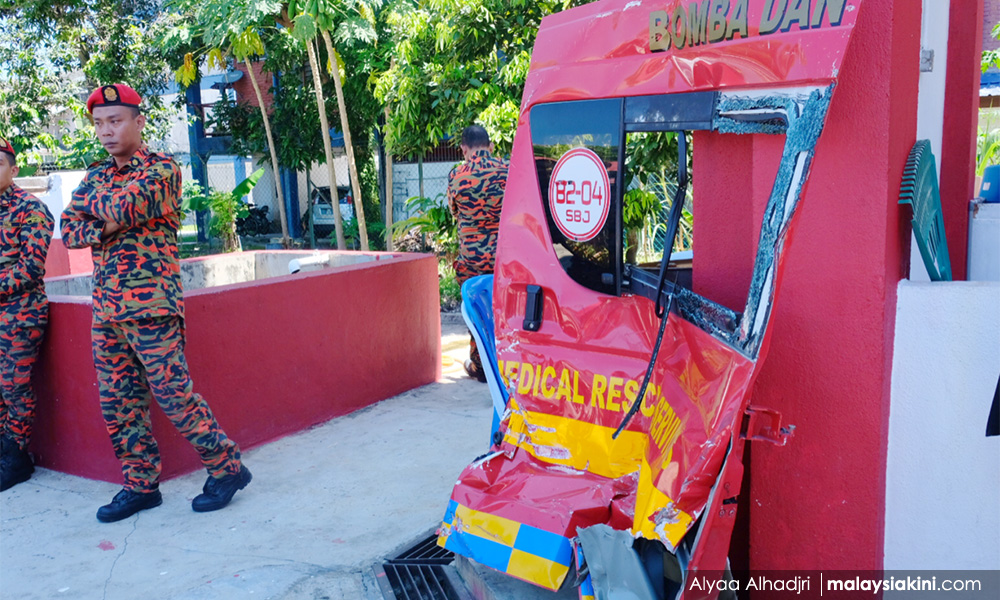
The ribs fractured inwards when they received an impact from the back, which is only possible when the left door frame of the EMRS (Emergency Medical Rescue Services) (van) opened.
Read more: Forensics expert hit by online slurs in wake of dispute by 'nurse'
Previously, Hafizam had testified that Adib may have gotten injured by the open rear door of the EMRS van he had alighted from during the Seafield temple riots last November.
Adib passed away on Dec 17 at 9.41pm at the National Heart Institute after succumbing to injuries sustained on the night of the riots. The inquest was ordered after two conflicting versions of his cause of death emerged.
One version claimed he was hit by a Fire and Rescue Department vehicle, while the other said he was beaten up by a mob.
'No internal bleeding'
Hafizam then told coroner Rofiah Mohamad that when a person is beaten, there is usually bruising due to blood vessel damage as well as internal bleeding in the tissue.
The forensics expert said that in Adib's case, there was no sign of a beating, as his body only had abrasions which involved a torn epidermis.
"In this case, the injury discovered during my autopsy did not show any internal bleeding in the tissue," he said, adding Adib’s internal and external injuries also did not coincide with self-defence injuries.
"Self-defence injuries are usually found on the upper part of the body, as well as on the lower part of the body. Injuries from fighting back (against an attacker) are usually on the hands in the form of bruises. Here, however, none were found.
"If a person is attacked by a group of people or an individual, the existing literature posits that in normal circumstances, there would be injuries to the head and face of the victim," he explained.
Hafizam pointed out that if Adib had been set upon by an individual or a group of attackers, his body should have exhibited signs of multiple and varying forms of physical impact resulting in the fracturing of his ribs, among other injuries.
He said Adib’s body did not exhibit injuries that fit being stomped on by a single person or a group of attackers, and he only had abrasions and bruising indicative of a single, powerful impact.
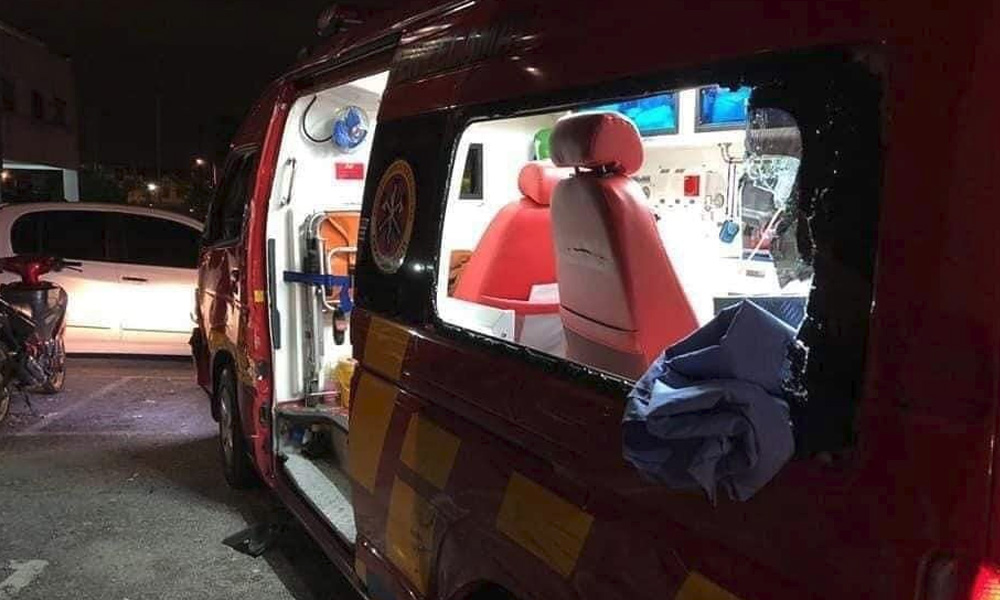
When Hamdan asked whether the autopsy showed signs that Adib had been pulled out of the EMRS van on the night of the riots, Hafizam said that there was no sign of injury or physical marks consistent with him being dragged out of the vehicle's front passenger side.H
He said the left side of Adib’s body also did not exhibit any injury showing grip marks indicative of being pulled out of a vehicle.
Hamdan: Were there signs of grip marks on the clothing (worn by Adib)?
Hafizam: If only the shirt was pulled without coming into contact with the body, then there is a possibility of there being no injury.
Hamdan: How about the collar (of the shirt worn by Adib)?
Hafizam: If there had been pulling from above (the collar), there would have been abrasions on the neck skin which is a high probability (if an attacker had pulled the collar). But here, there were no signs (of that) and the bruising that is seen does not match with being gripped.
Grip marks would leave fingertip bruises. The gripping fingers exert a strong force on the gripped area which would have left a certain bruising pattern.
The court then played a video reenacting how Adib may have sustained his injuries. The video showed a fireman acting out being hit on the left side of his back by an open, front passenger side door of an EMRS vehicle as it was reversing.
The brief video showed the fireman being hurled forward and landing on a road kerb, which Hafizam previously told the inquest was how Adib sustained his fractured right ribs.
Lawyer Syazlin Mansor, representing the Housing and Local Government Ministry, then showed Hafizam the uniform worn by Adib on that night which showed the first, second and fourth buttons missing.
When she asked if a person or group of persons pulling Adib out of the EMRS van would have left physical marks on the firefighter, Hafizam said it was very difficult to pull someone out of a vehicle even if the door was open.
“The force exerted (by the attacker gripping the uniform) would have not only torn off the buttons but also torn the clothing itself,” he said, adding that in any event, no abrasions were seen at Adib’s neck area to indicate he had been gripped by his uniform and pulled out.
The inquest continues into its 18th day tomorrow.


Are you sure you want to delete this comment?
This action cannot be undone.