


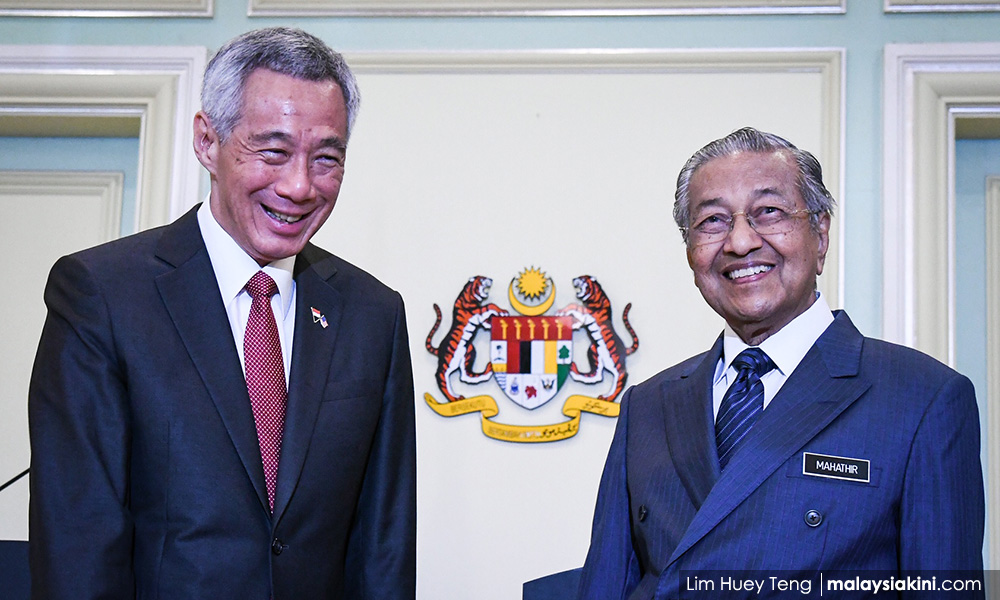

M'sia and S'pore mull arbitration over water stalemate
The just-concluded Singapore-Malaysia Leaders' Retreat appears to have done little to resolve the ongoing dispute over Malaysia's sale of water to the island state.
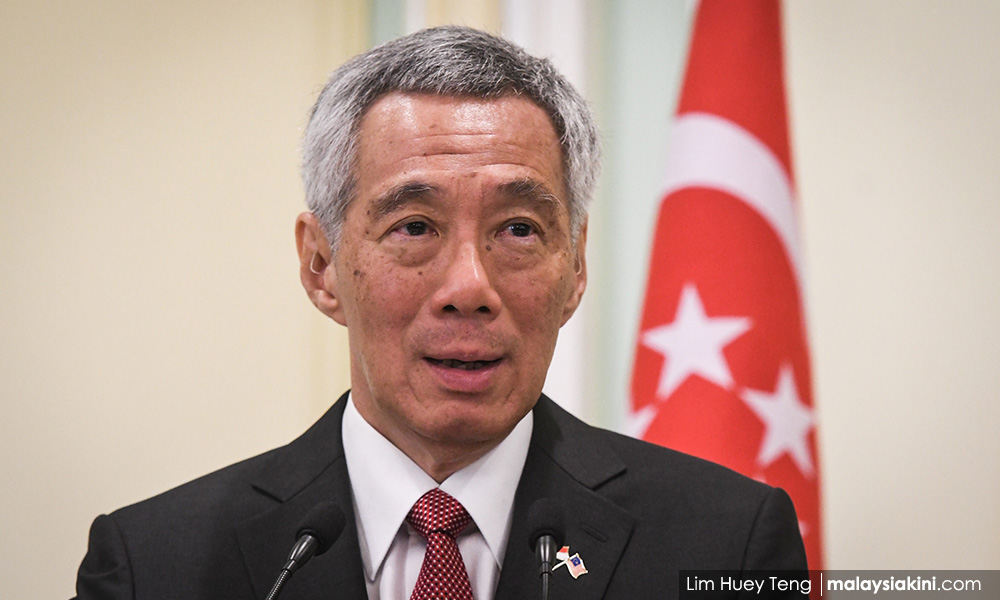
As Malaysia continues to press for a review of the water price, Singapore premier Lee Hsien Loong today defended the terms, which includes the water price, stipulated in the “sacrosanct” 1962 Johore River Water Agreement...
The just-concluded Malaysia-Singapore Leaders' Retreat appears to have done little to resolve the ongoing dispute over Malaysia's sale of water to the island state.
As Malaysia continues to press for a review of the water price, Singapore premier Lee Hsien Loong today defended the terms, which includes the price, stipulated in the “sacrosanct” 1962 Johore River Water Agreement.
“(The agreement was) subsequently guaranteed by the two governments [...] in 1965 in the separation agreement. So it is a fundamental founding document for us.
“(The water price) is a basic term on which the two countries decided to manage the relationship. If you look at it from that point of view, to be able to change that is a very high hurdle.
“[...] I can understand (Prime Minister) Dr Mahathir Mohamad's perspective but I also asked (and) hoped he would be able to see Singapore's perspective why this is such a sacrosanct item (to us),” he told a press conference after the retreat at the Prime Minister’s Office in Putrajaya.
The agreement stipulates that Malaysia sells raw water to Singapore for 3 sen/1000 gallons, and in turn, buys treated water from Singapore for 50 sen/1000 gallons.
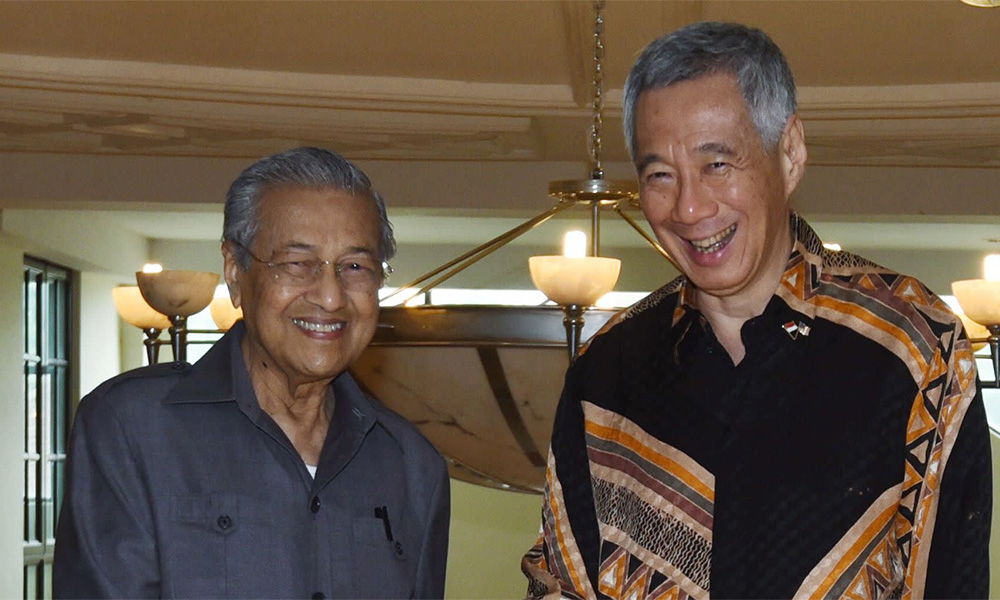
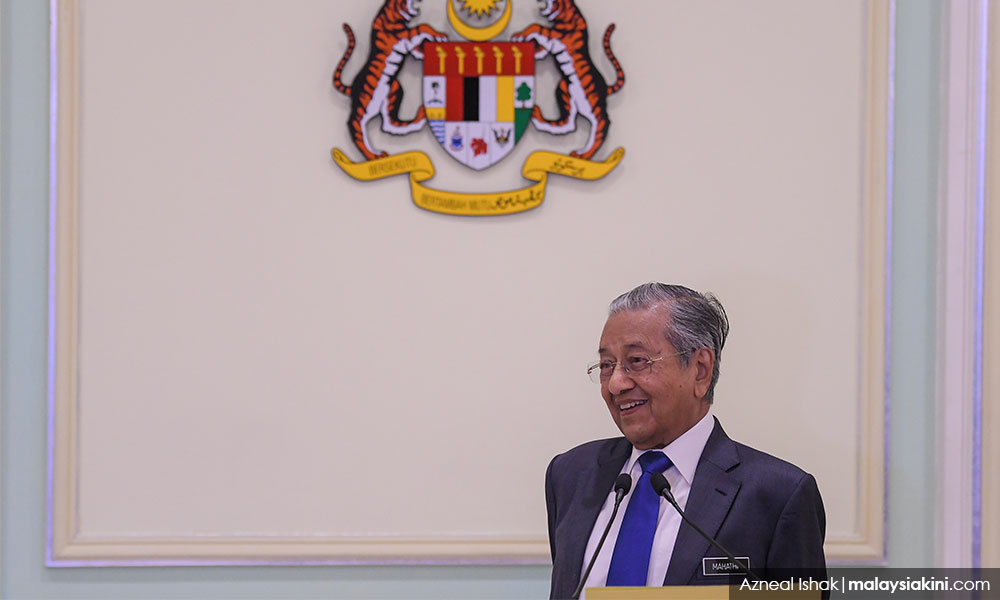
Meanwhile, Mahathir said the two nations were considering resolving the issue through arbitration.
“For Malaysia, resolving the longstanding issue of water price is a priority. We were engaged in active negotiations on the review in the late 1990s and early 2000s.
“PM Lee and I have agreed to find amicable solutions on this issue, including the possibility of dispute resolution through arbitration on a mutually agreed basis,” he added.
Moving forward, both governments said they would continue to discuss the matter.
Address water pollution, sustainability first
Earlier, Lee highlighted Singapore’s concerns pertaining to its purchase of water from Johor as to whether the water could be prevented from pollution and whether the Johor River was able to meet the republic's long-term water requirements.
Lee said Singapore was concerned about the cleanliness and sustainability of the water it purchased from Malaysia and called for these matters to be addressed urgently.
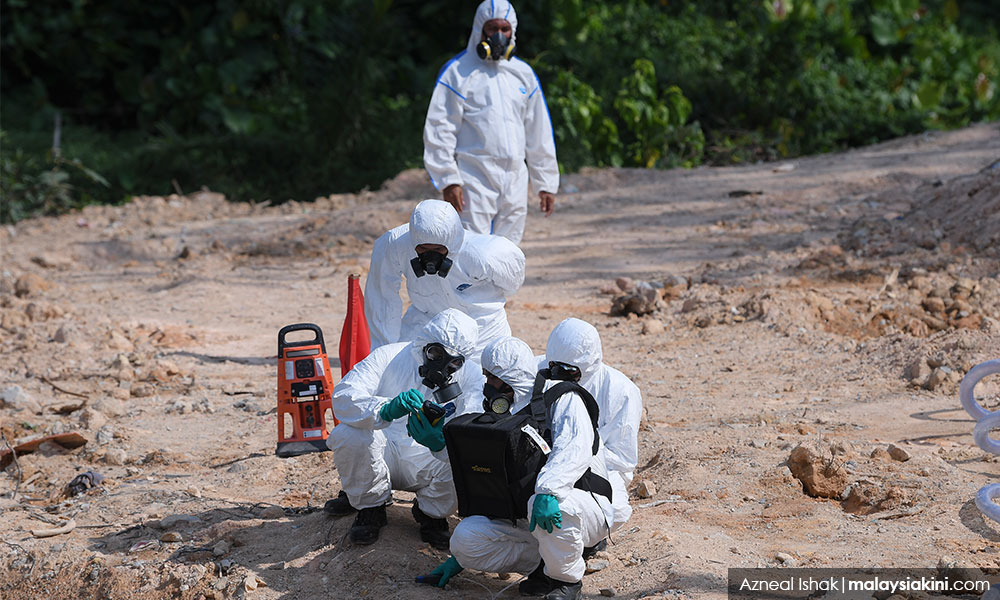
He said Singapore’s water treatment plant in Kota Tinggi, Johor had to be shut down last week due to high ammonia levels which were traced to a nearby palm oil mill located in a water catchment area.
“And if the Johor River suffers an incident like which happened at Sungai Kim Kim recently, I think it will be disastrous for both countries,” he said, referring to the recent chemical pollution crisis at Kim Kim.
Lee said Singapore had noticed there were several other water plants along the Johor River and questioned if the river could provide for the island city-state’s water needs in the long run.
“These (water) plants combined [...] draw from the Johor River quite possibly more water than the river can sustain
“So we need to study how to meet both Johor and Singapore’s water requirements for the remainder of the water agreement,” he said.


Report this comment
Are you sure you want to delete this comment?
This action cannot be undone.