



Committee mooted to stop federal 'interference' in Penang
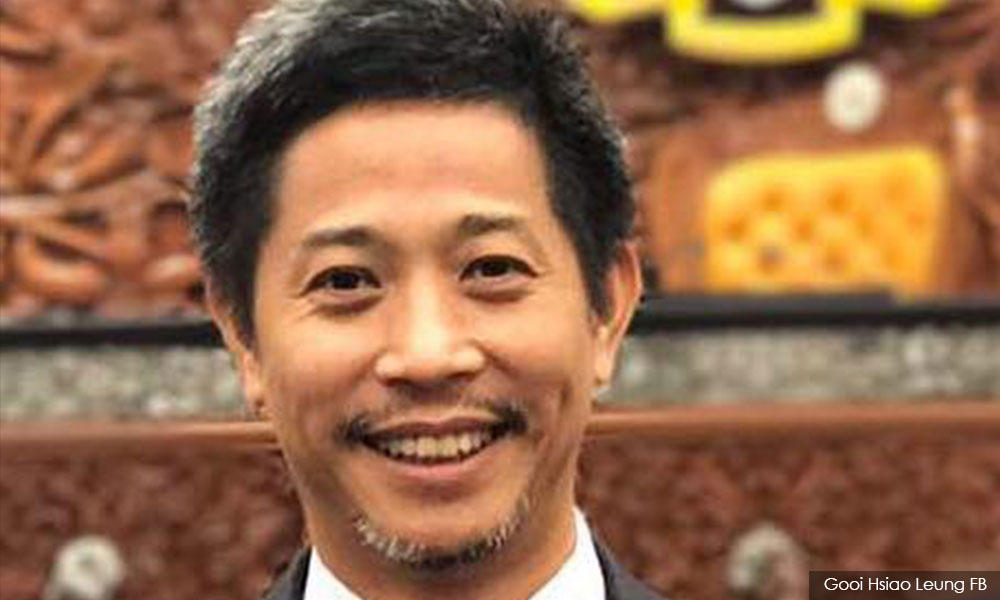
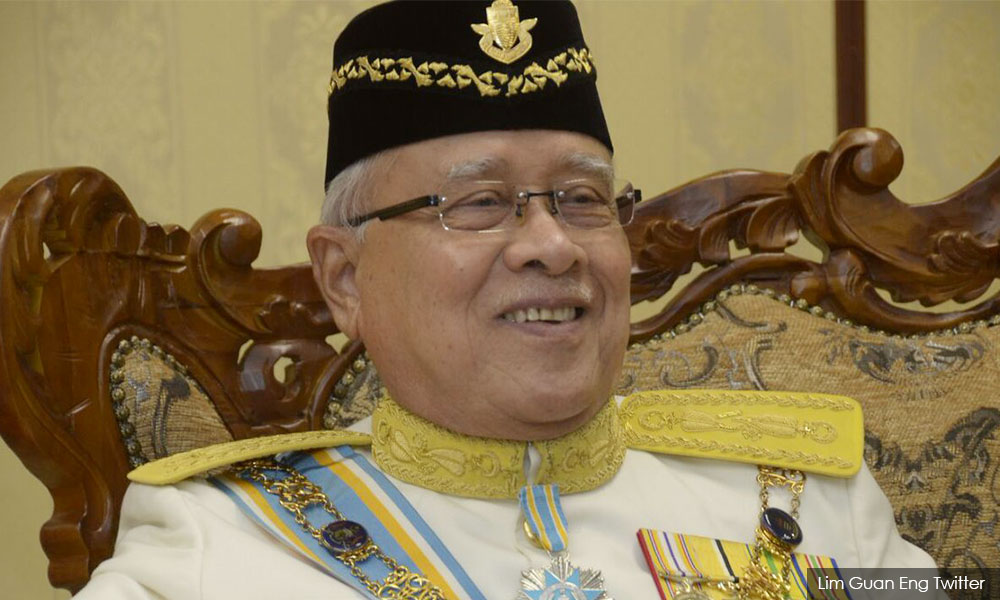
PKR Bukit Tengah assemblyperson Gooi Hsiao Leung (photo, above) has proposed that an independent committee be formed to look into federal-state power-sharing which he claimed hindered progress in Penang.
At the Penang State Legislative Assembly sitting today, Gooi said the “imbalanced” sharing of power between the state and the federal government had hindered or delayed several projects in Penang.
PKR Bukit Tengah assemblyperson Gooi Hsiao Leung (photo, above) has proposed that an independent committee be formed to look into federal-state power-sharing which he claimed hindered progress in Penang.
At the Penang State Legislative Assembly sitting today, Gooi said the “umbalanced” sharing of power between the state and the federal governments had hindered or delayed several projects in Penang.
He cited the example of the Penang Master Transportation Plan (PTMP), which he said was delayed by the previous federal government under BN, which restricted what the state could or could not implement in Penang.
“Do not misunderstand. All requirements in law must be complied with in all project implementations. But I question the effectiveness of institutions like the National Physical Planning Council (NPPC),” he said, during his debate on Governor Abdul Rahman Abbas' opening speech delivered in the state assembly last Friday.
Gooi then referred to the statement by Federal Territories Minister Khalid Samad on April 19, a day after Penang Chief Minister Chow Kon Yeow announced that the Penang South Reclamation project had been approved with 17 conditions.
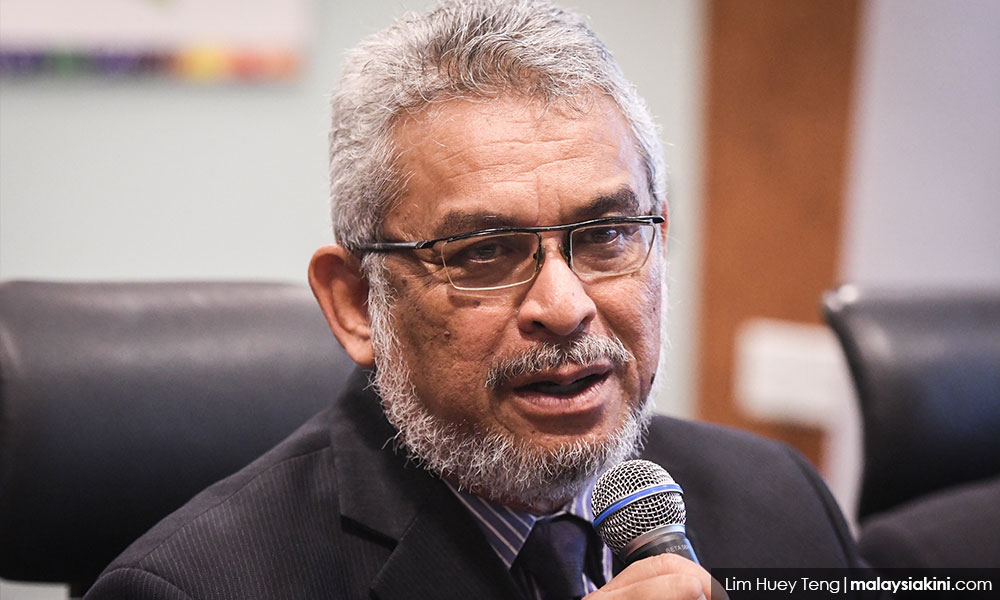
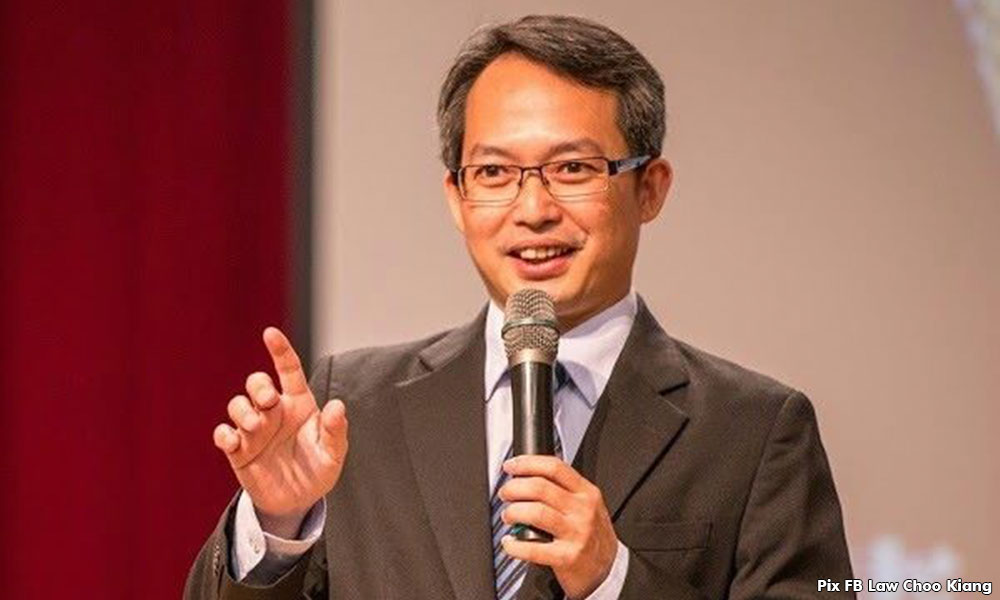
Gooi noted that Khalid (photo) had “ticked off” Chow, saying the NPPC had not given any “green light” for the project.
“I cannot understand how a federal minister can chair the NPPC meeting. I understand if there is a federal issue involved, we will refer to him, but I am questioning his capacity as a federal minister in knowing what is best or needed for Penang,” Gooi said.
“Personally, I felt his statement amounted to an interference in Penang matters.”
At this point, Chow stood up to say that the NPPC was now under the Federal Territories Ministry, while in the past, it was parked under the Housing and Local Government Ministry.
However, Gooi pointed out other plans, which he said had also been thwarted by federal restrictions, such as the local government elections in Penang, which were rejected by the National Council for Local Government.
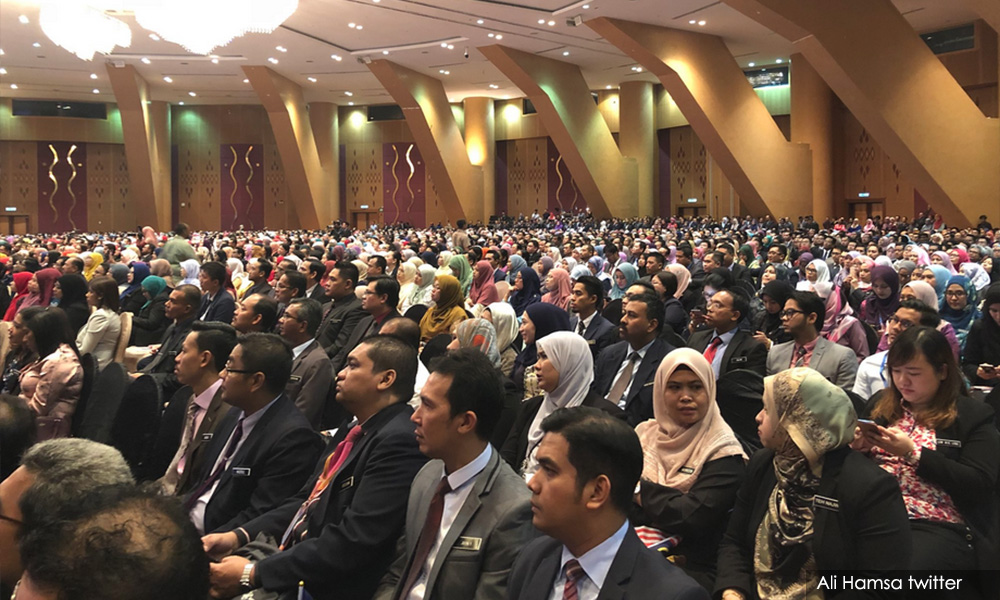
He said the same went for the state’s civil service, which is derived from the federal level, unlike Johor, Kedah, Kelantan and Terengganu, which have their own civil service.
He said for Penang, many of the top posts in the civil service, such as the state secretary, legal advisor and EPU director, were from the federal civil service.
“I am confident that these senior government officers are doing their work well and I often hear praise about our state secretary Farizan Darius, who always puts the interest of Penang first,” Gooi said.
“But who will replace him when he retires? Will his replacement be a Penangite or someone imported from the other states?”
Gooi then reminded the assembly of the controversy over the appointment of the Penang state secretary in 2010, which was done without consultation or agreement of the state government.
“I also hear that public officers, who were well trained in Penang, are often transferred out of the state, so we lose good civil servants who have a deep understanding of Penang,” he said.
While acknowledging that the problem was “structural,” Gooi said the state could not depend on the argument that such situations only happened during BN's rule and would not occur now.
“These structural problems have to be handled and resolved,” he added.



Report this comment
Are you sure you want to delete this comment?
This action cannot be undone.