



Tough to determine cause of death of Kuala Koh Orang Asli - deputy minister
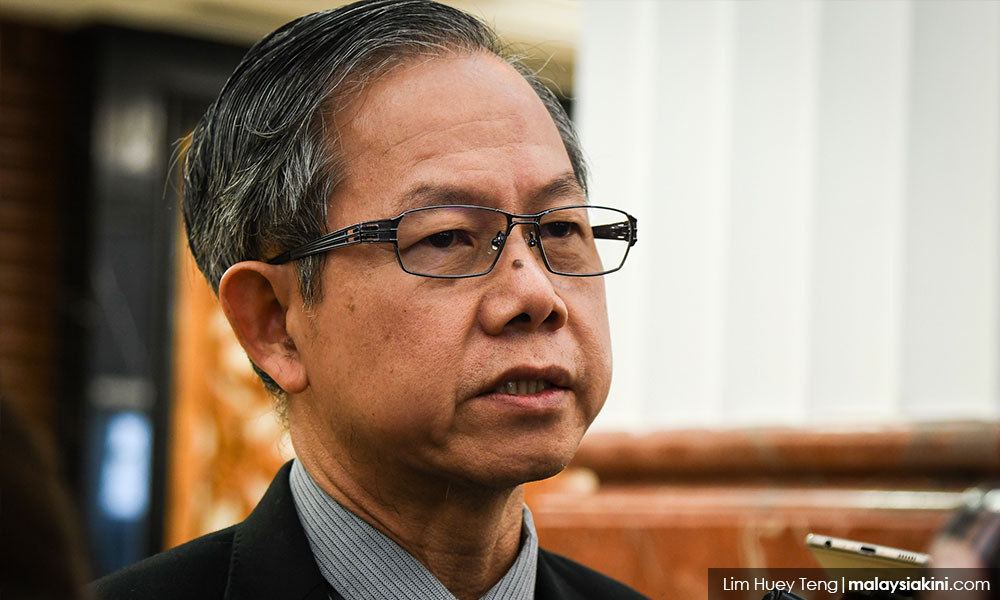
Authorities are facing a stiff challenge in determining the cause of death of 12 Bateq Orang Asli from Kuala Koh, Gua Musang, as little remained of their bodies, Deputy Health Minister Dr Lee Boon Chye (photo, above) said today.
Denying that the delay of the post mortem report was due to government inefficiency, he nevertheless admitted that more could have been done if the bodies had been discovered “much earlier”.
The deaths are believed to have begun in early May but news of it only broke in early June, prompting the authorities to act...
Authorities are facing a stiff challenge in determining the cause of death of 12 Bateq Orang Asli from Kuala Koh, Gua Musang, as little remained of their bodies, Deputy Health Minister Dr Lee Boon Chye (photo, above) said today.
Denying that the delay of the post mortem report was due to government inefficiency, he nevertheless admitted that more could have been done if the bodies had been discovered “much earlier”.
The deaths are believed to have begun in early May but news of it only broke in early June, prompting the authorities to act. Kelantan police said they completed the post mortems more than two weeks ago on Jun 19.
Speaking to the media in the hallways of Parliament today, Lee said the government continued to await results from the many tests being conducted on the bodies.
“Certainly it is more difficult because there is not much of human tissue left (on the bodies) apart from the bones. It makes the confirmation of the cause (of death) more difficult in this case.
“But more importantly, we want to make sure there is no criminal element in the death of these 12 (people),” he said.
Lee explained that the authorities were trying their best, given the circumstances in which the bodies were found.
“I think we (have) got to understand the circumstances where the body was retrieved. The death in the community and it is their normal practice in the community to send those patients who are sick away from their community. And when the patients died, they actually have a special way of disposing of the body.
“The whole incident came about only after (a) report came back saying excessive fatality cases were happening. So, the moment we got all that information, the team went in to retrieve the 12 bodies as required. I don't think there was any delay.
“If we had picked up the incident much earlier, things might be different,” he said.
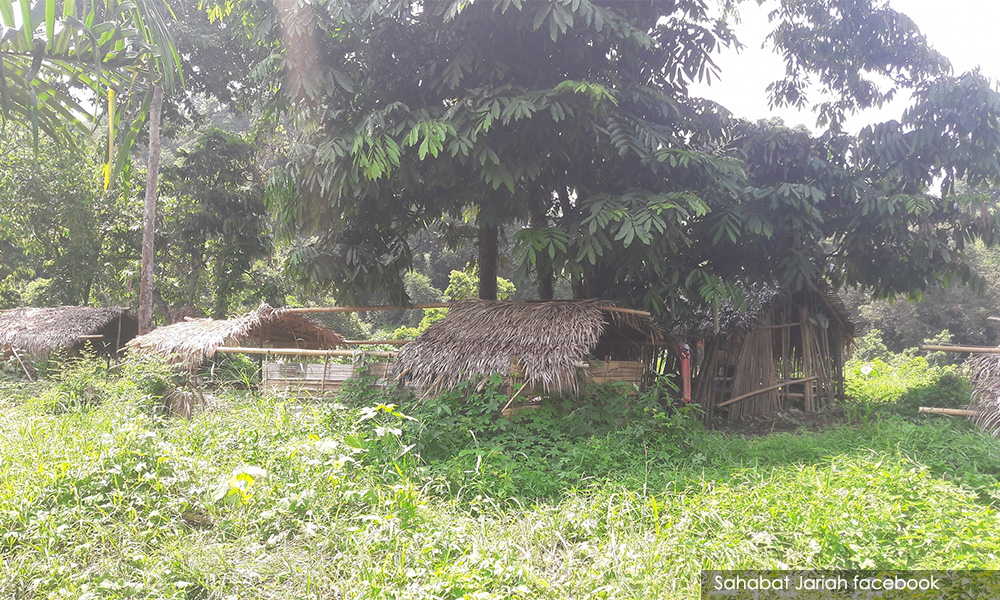
The traditional Bateq burial practice is for bodies to be wrapped in tree bark and carried across a river.
They are then harnessed to a tall tree in a burial area using vines and are left there to decompose.
Read more: How the story of 15 Bateq villagers dying in Gua Musang unfolded
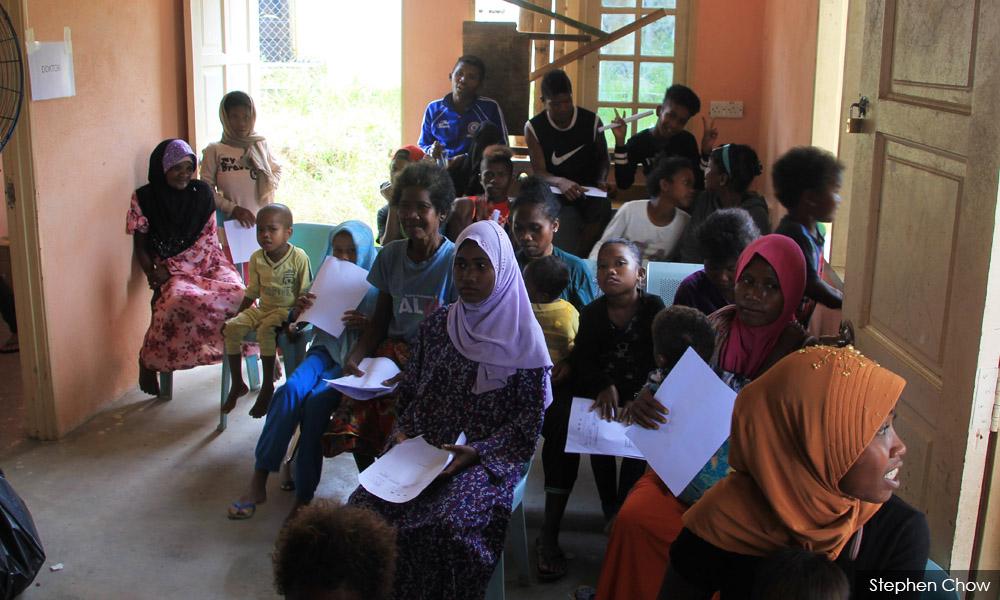
A total of 15 Bateq Orang Asli from Kuala Koh have passed away since May, of which three deaths have been confirmed to be from complications due to measles.
Villagers claimed that the deaths were caused by water contamination from a manganese mine located three kilometres from the settlement, but the Environment Department failed to find proof of this.


Are you sure you want to delete this comment?
This action cannot be undone.