


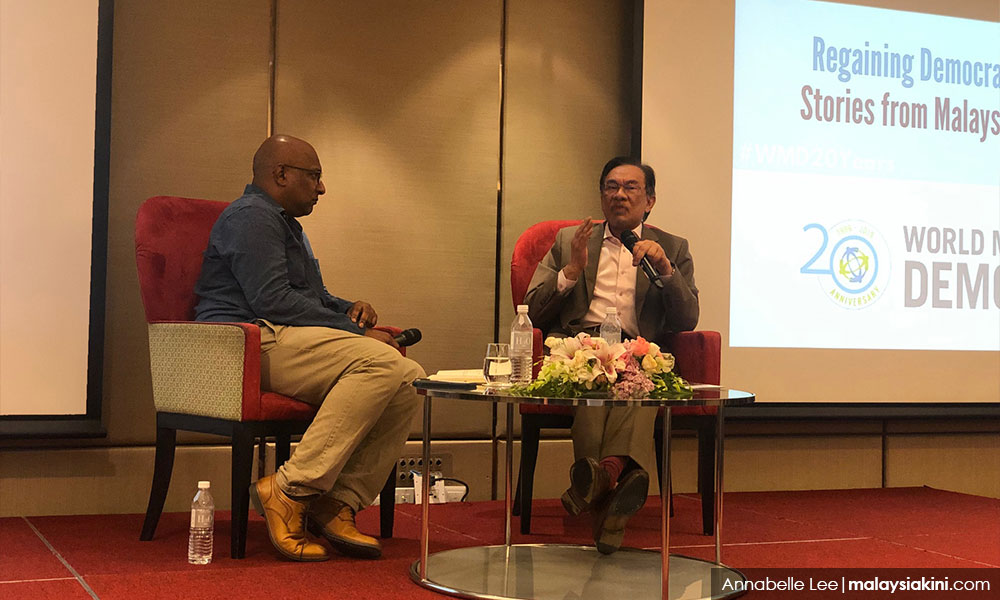

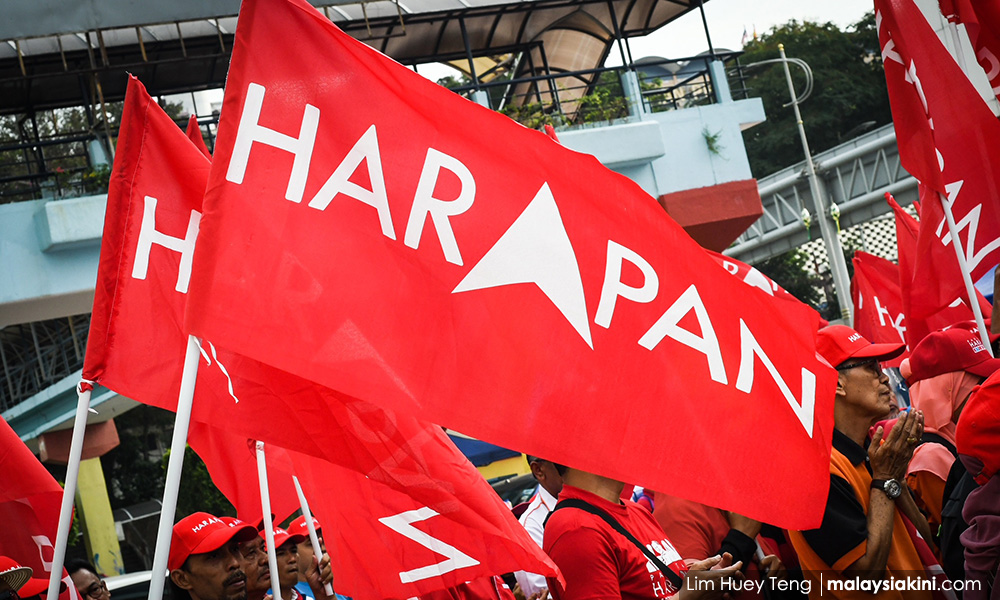
Harapan must explain human rights reforms before implementing - Anwar
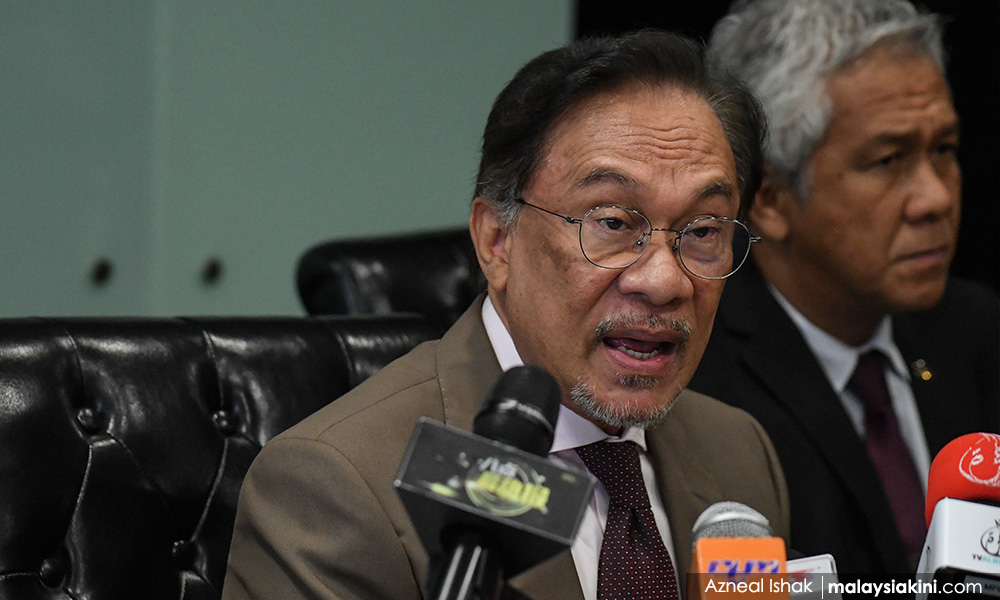
The Pakatan Harapan government needs to improve on how it explains human rights reforms to all segments of the rakyat before rolling them out, PKR president Anwar Ibrahim said.
At a question-and-answer session during a talk show aired on television last night, he warned against “assuming” that people already understood the government’s intentions.
Anwar pointed to the recent U-turns on the International Convention on the Elimination of All Forms of Racial Discrimination (Icerd) and the Rome Statute of the International Criminal Court (Rome Statute) as examples of endeavours derailed by misunderstandings...
The Pakatan Harapan government needs to improve on how it explains human rights reforms to all segments of the rakyat before rolling them out, PKR president Anwar Ibrahim said.
At a question-and-answer session during a talk show aired on television last night, he warned against “assuming” that people understood the government’s intentions.
Anwar pointed to the recent U-turns on the International Convention on the Elimination of All Forms of Racial Discrimination (Icerd) and the Rome Statute of the International Criminal Court (Rome Statute) as examples of endeavours derailed by misunderstandings.
“How many people in Malaysia understand what Icerd is all about? There was no attempt to explain.
“There was a massive reaction because the Malays felt that it was an attempt to discard pro-Malay policies, including protecting the rights of the poor.
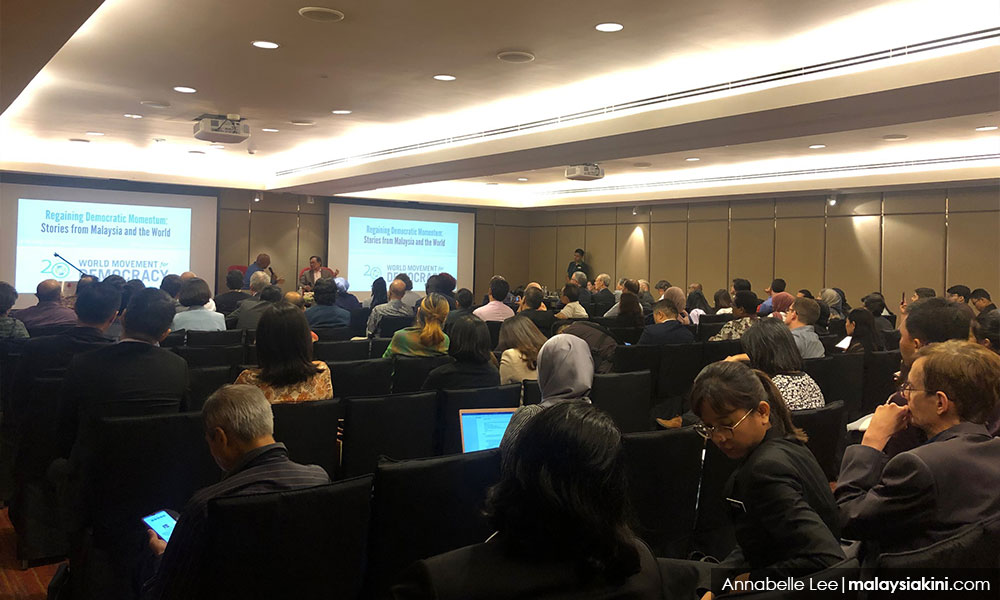
“This is not the case, but this is what was perceived,” Anwar responded during a conversation with Astro Awani talk show host Sharaad Kuttan at an event organised by the World Movement of Democracy in Kuala Lumpur.
The government shelved plans to sign Icerd and later withdrew from the Rome Statute following intense protests, both in which Opposition parties Umno and PAS participated.
Despite repeated denials by Harapan, anti-Icerd campaigners claimed that the UN instrument would infringe upon Article 153 of the Federal Constitution, which enshrines the special position of Malays and Islam.
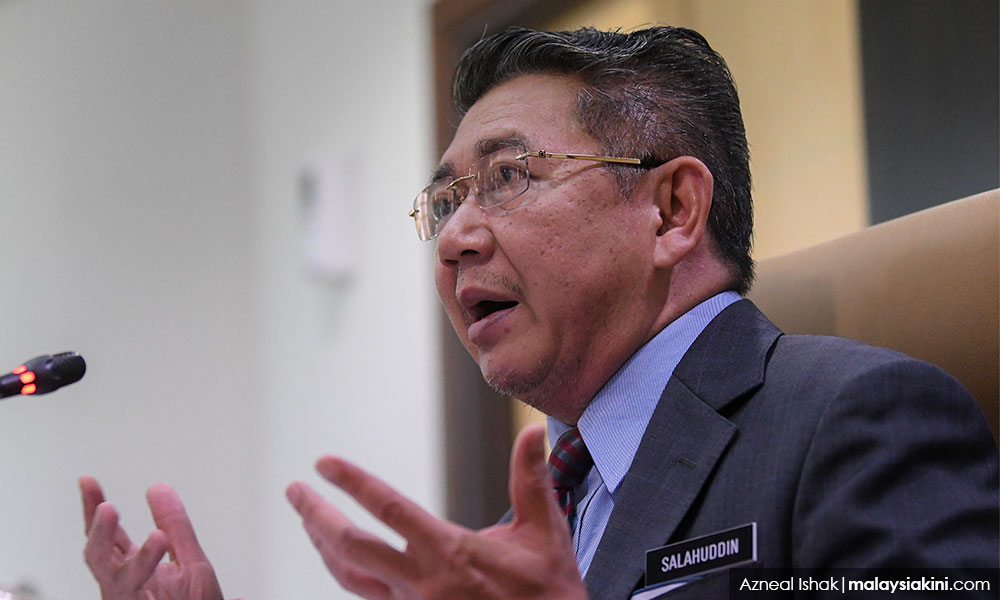
Again, on the Rome Statute, protesters claimed that it would subject the monarchy to the international criminal court and infringe upon the special position of Malays, as well as Islam, despite rebuttals by Foreign Minister Saifuddin Abdullah.
Explain first, don’t assume
Aside from sufficient public education, Anwar suggested that Harapan ought to have presented the two treaties to a bipartisan parliamentary select committee for debate and recommendations before moving to sign them.
Moving forward, the Port Dickson MP hoped the government had “learned the lesson” and would bring more people on board with its future plans.
“We think we have the mandate and people support us. People supported us for change, for economic well-being, for good governance and for anti-corruption.
“They don’t necessarily support us for every single human rights agenda. If we understand it and believe in it strongly, we have to disseminate (information about it).
“If you assume everyone understands before you disseminate (information), you will fail,” he cautioned.
Harapan stable, reforms irreversible
Fielding questions on the stability of the four-party Harapan coalition, Anwar said he believed that it was strong, effective and united by core principles, despite possessing “some limitations” which he did not elaborate on.
He then gave credit to his political-rival-turned-ally - Prime Minister Dr Mahathir Mohamad - for his leadership over the past year.
Amidst concerns that Harapan was compromising on reforms and giving in to right-wing demands, Anwar said he believes that reforms will be carried out, but the government must first work to assuage the people's anxieties.
“I believe that the reforms and the democratic transition that are going to happen will be irreversible.
“But we can only ensure that, not through platitudes, but by dealing with issues. There were real concerns, prior to the election, about the non-Muslims. Now after the election, (there are) the real concerns of the Malay-majority.
“We need to engage with the race card (as) religious bigots will continue to play them. We will have to deal with that by countering these arguments,” he said.



Are you sure you want to delete this comment?
This action cannot be undone.