




Analyst: Lowering voting age will open up 'new customers' for parties
The opposition's support for the constitutional amendment to lower the voting age to 18 may be due to the new "customer base" it will open up, says a political analyst.
“Lowering the voting age really opens up a new market for politics in the country," Merdeka Centre director Ibrahim Suffian told Malaysiakini today...
The opposition's support for the constitutional amendment to lower the voting age to 18 may be due to the new "customer base" it will open up, says a political analyst.
“Lowering the voting age really opens up a new market for politics in the country," Merdeka Centre director Ibrahim Suffian (above) told Malaysiakini today.
“In a way, it opens up the way for new customers, for political ideas in the country."
Ibrahim explained that no one is certain how those aged between 18 to 20 would vote in the future, although youths have tended to vote against establishment parties in the past.
Now that Pakatan Harapan is part of the establishment, Ibrahim said, a lFowered voting age would open up opportunities for other parties to gain more followers and broaden their base.
“I think the ones who are really hard-nosed and pragmatic about it will say 'there will be more Malay-Muslim voters in the youth segment, so we can go there and get their support and maybe we can be in power in the next round.'
"I think that would potentially be why parties like PAS would support (the bill), Umno as well,” he said.
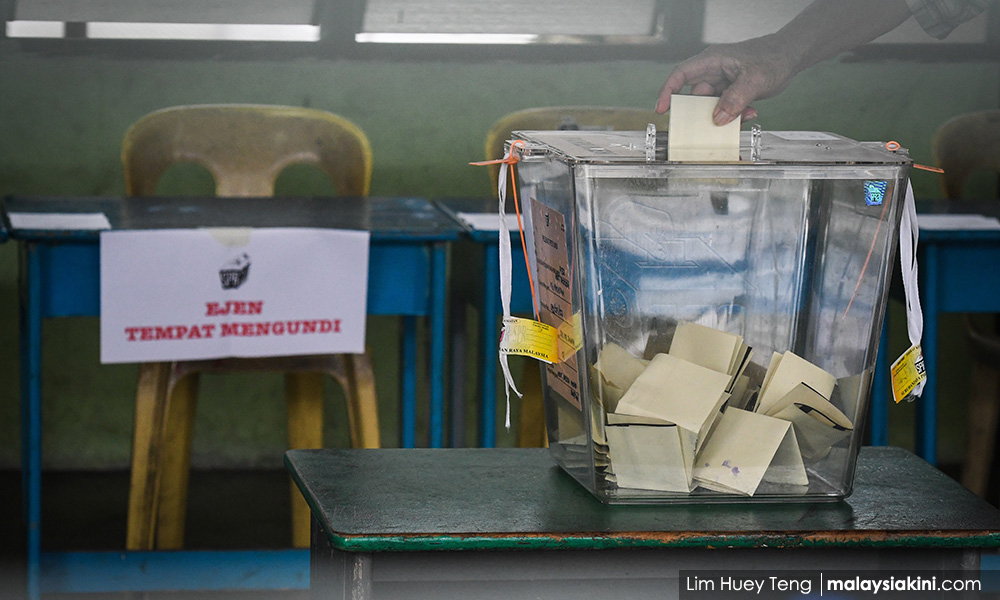
Ibrahim estimated that the lowering of the voting age and automatic voter registration would result in a slight increase in Malay voters within the electoral demographic by one or two percent.
Conditional support
The opposition’s support for the amendment bill had come with two conditions: for those over 18 to be automatically included in the voter registry, and lowering the qualifying age for election candidates to 18.
The government has reportedly acceded to both conditions.
On the other hand, Ibrahim believes Pakatan Harapan is banking on retaining the surge of support received from younger people in the last election.
“If they are able to deliver on some of the reforms and promises to the younger segment of voters, they might be able to attract those guys as well, so it is a really new market that allows them to broaden their politics."
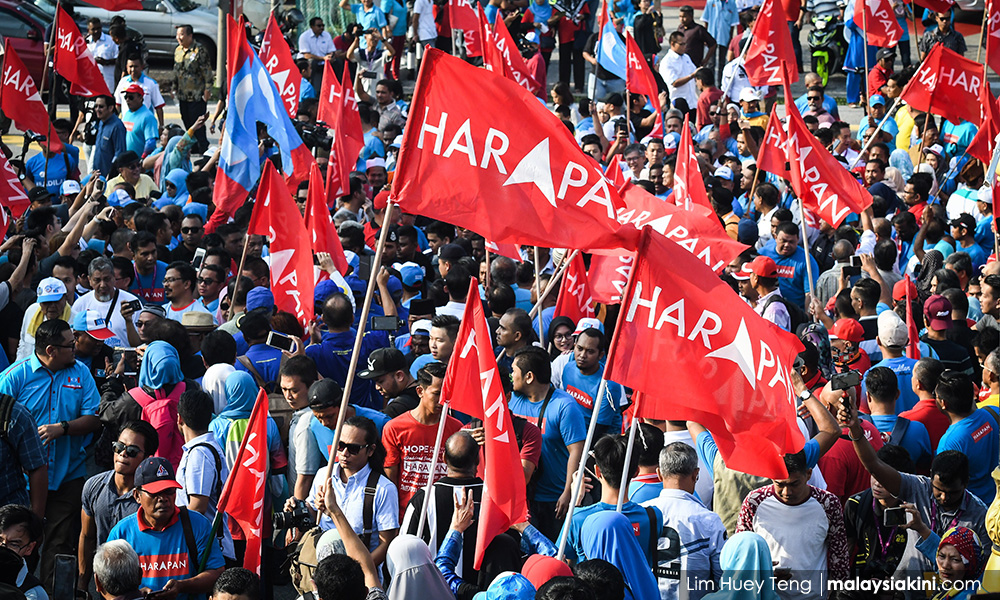
Opening up a whole new segment of voters, Ibrahim said, is significant because the preexisting "market" comprises voters who are already mostly set in their own ways.
Ibrahim observed that a large new group of voters would therefore allow parties to focus on attracting fresh voters, instead of working on a “very narrow band of undecided voters.”
“It’s a blank slate, so you can persuade them (youths), as opposed to trying to persuade people who are already not your voters,” he added.
The Merdeka Center director estimated that there are about 500,000 new eligible voters each year.
He further predicted that an additional 1.5 million people would become eligible voters annually, stemming from automatic voter registration as well as the expansion of the qualifying voting age to include those aged 18 to 20.
Risk of worsening malapportionment
However, Ibrahim warned that expanding the electoral base without implementing electoral reforms, specifically with regard to how electoral boundaries are drawn, would only worsen the problem of malapportionment.

“You have constituencies that are really small in the rural areas, and you have constituencies that are very large in urban areas, so when you expand the voting age to 18, you will also sharpen the differences between the smaller and bigger constituencies.
“Expanding the electoral base will further worsen the malapportionment problem, so it should come together with making the sizes of constituencies fairer.
“Ideally… expanding the electoral base should also come along with electoral reforms,” he said.
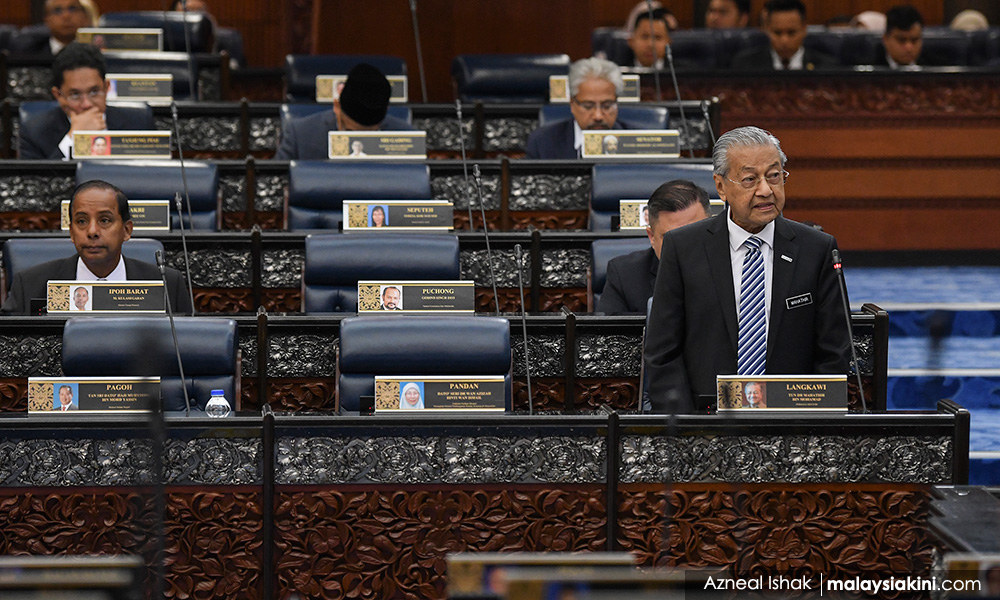
This is the second time that the administration of Prime Minister Dr Mahathir Mohamad will be tabling a constitutional amendment bill which can only be passed with the support of two-thirds of lawmakers (148 out of 222) in the House.
The last attempt to amend Article 1(2) of the Federal Constitution concerning the status of Sabah and Sarawak failed because the ruling coalition was short of 10 votes.
Mahathir had expressed confidence that this time, the constitutional amendment will pass.
He said this after a briefing specifically for opposition MPs – possibly the first in history – on the government's plans to incorporate the opposition’s requests into the bill.



Are you sure you want to delete this comment?
This action cannot be undone.