




Civil society prompted gov't to withdraw NSC Bill - deputy minister
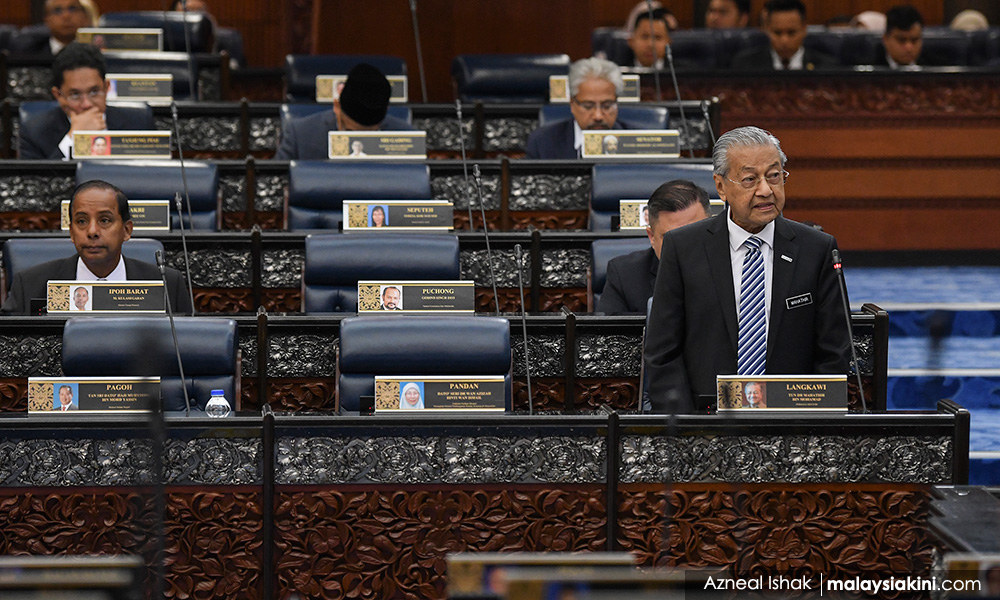
PARLIAMENT | Deputy Minister in the Prime Minister's Department Mohamed Hanipa Maidin (photo, above) said feedback from the civil society prompted the government to withdraw the amendments to the National Security Council (NSC) Act 2016.
"We received some feedback from NGOs and certain civil society (members) who made their views known...
PARLIAMENT | Deputy Minister in the Prime Minister's Department Mohamed Hanipa Maidin (photo, above) said feedback from the civil society prompted the government to withdraw the amendments to the National Security Council (NSC) Act 2016.
"We received some feedback from NGOs and certain civil society (members) who made their views known.
"In our opinion, we felt that it would be best that we study their views. That's why we don't want to proceed for the time being," he told reporters at the Parliament's lobby.
This morning, Hanipa withdrew the National Security Council (Amendment) Bill 2019 from the Dewan Rakyat.
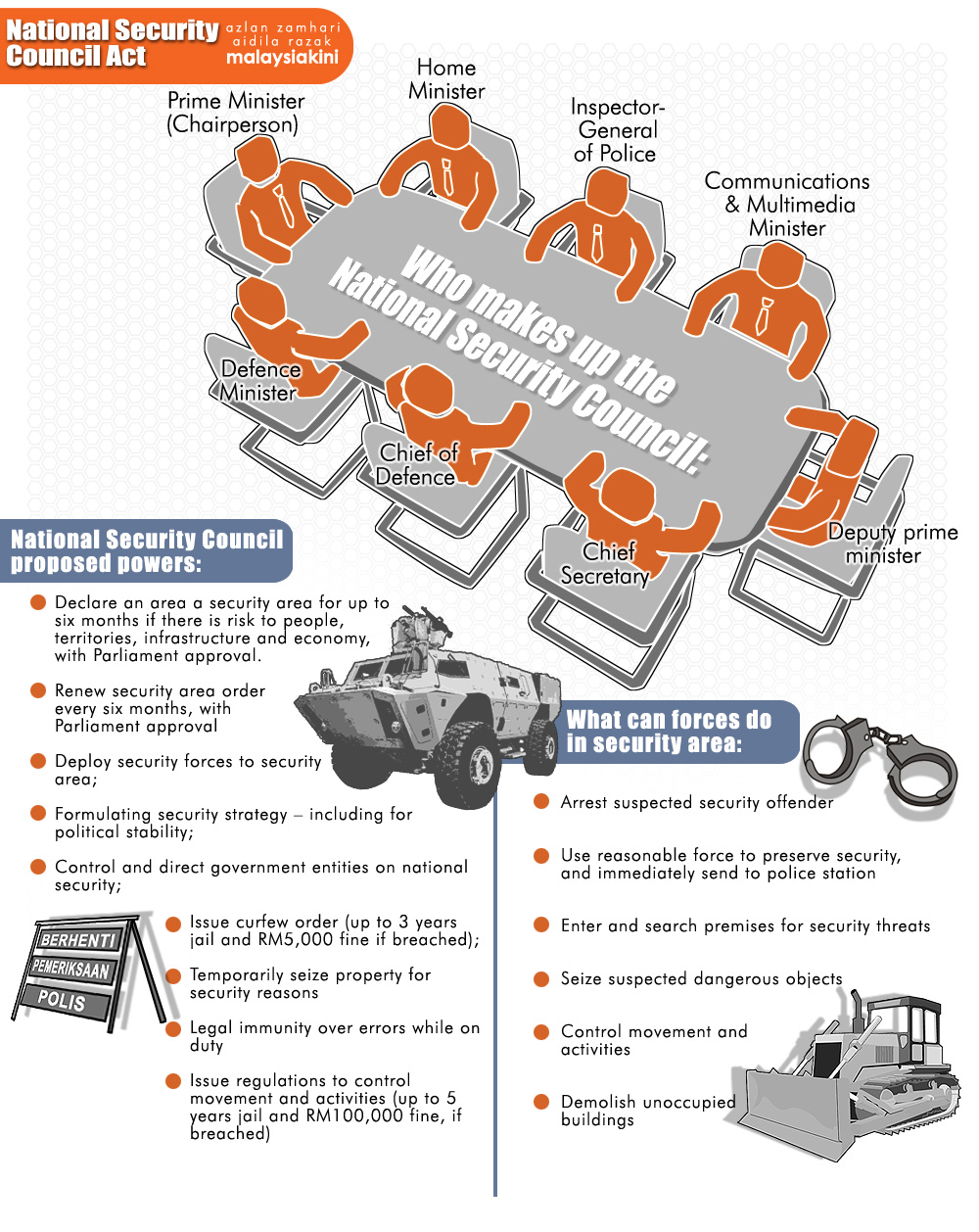
The NSC Act had been described as draconian and allowed the declaration of "security zones" with no recourse even in the cases of deaths within such zones.
Harapan, who was in the opposition when the law was introduced, had criticised the sweeping powers granted to the NSC and warned the country will slide towards a police state.
While Harapan's amendments introduced this month would have shifted the owers under NSC Act from the prime minister to the Yang Di-Pertuan Agong, it retains the sweeping powers deemed draconian, and in some areas, enhanced the punishments.
PKR president Anwar Ibrahim (below) has also mounted a legal challenge against the NSC Act.

Pressed if the government will now decide to repeal the NSC Act following the withdrawal, Hanipa said this depends on the prime minister.
"You have to ask the prime minister, I can't answer," he said.
On a separate matter, Hanipa said the government respected the Shah Alam High Court's decision to enhance Wan Ji Wan Hussin's jail sentence for purportedly insulting the royalty under the Sedition Act 1948 and to send him to prison immediately.
Hanipa, who is also Amanah central committee member, said he has his personal position on the matter but he must speak on behalf of the government.
He noted that Wan Ji was in the midst of appealing the decision and will only elaborate once the appeal hearing commences.





Report this comment
Are you sure you want to delete this comment?
This action cannot be undone.