


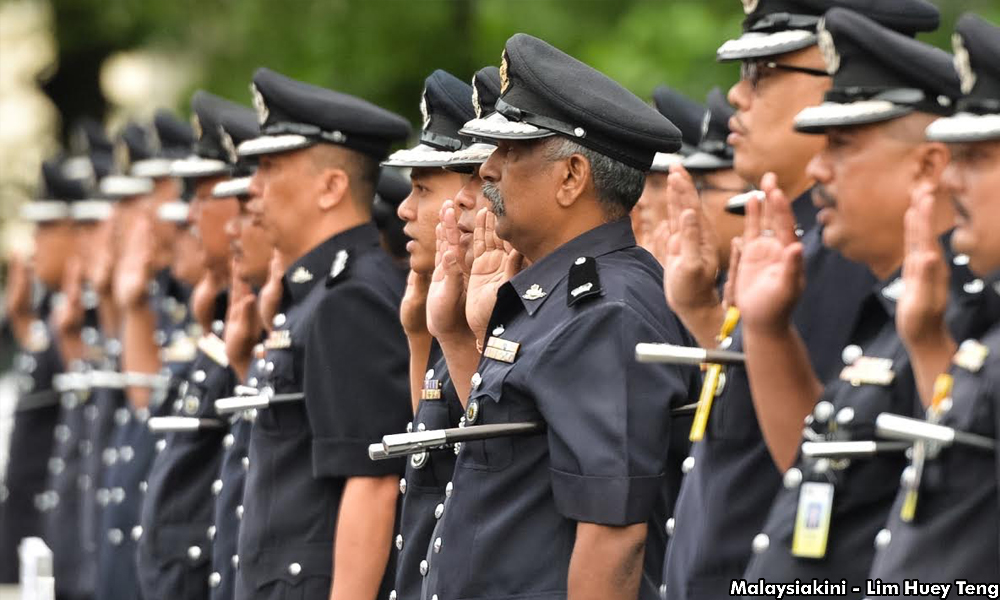

Fourteen years after RCI, gov't tables IPCMC Bill
PARLIAMENT | Putrajaya has tabled the long-awaited Independent Police Complaints of Misconduct Commission (IPCMC) Bill 2019 in the Dewan Rakyat today.
The tabling of the bill comes 14 years after the Royal Commission to Enhance the Operation and Management of the Royal Malaysia Police, led by former chief justice Mohamed Dzaiddin Abdullah, recommended the creation of the IPCMC...
PARLIAMENT | Putrajaya has tabled the long-awaited Independent Police Complaints of Misconduct Commission (IPCMC) Bill 2019 in the Dewan Rakyat today.
The tabling of the bill comes 14 years after the Royal Commission to Enhance the Operation and Management of the Royal Malaysia Police, led by former chief justice Mohamed Dzaiddin Abdullah, recommended the creation of the IPCMC.
Among the functions listed for the commission is “disciplinary control over all members of the police force.”
The commission will also be tasked with promoting the integrity of the police force, investigating complaints of misconduct against the police, and formulating mechanisms to detect, investigate and prevent misconduct.
It will also advise the government on appropriate action to be taken – including formulating legislation – to promote integrity within the force.
The bill states that the IPCMC will comprise no more than 10 members, none of whom should include currently-serving or former members of the police force or a public servant.
The IPCMC is empowered to summon police officers and other persons, as well as to demand information. Failing to comply would result in a fine of up to RM10,000 and imprisonment of up to two years.
It can also commence proceedings if misconduct is established.
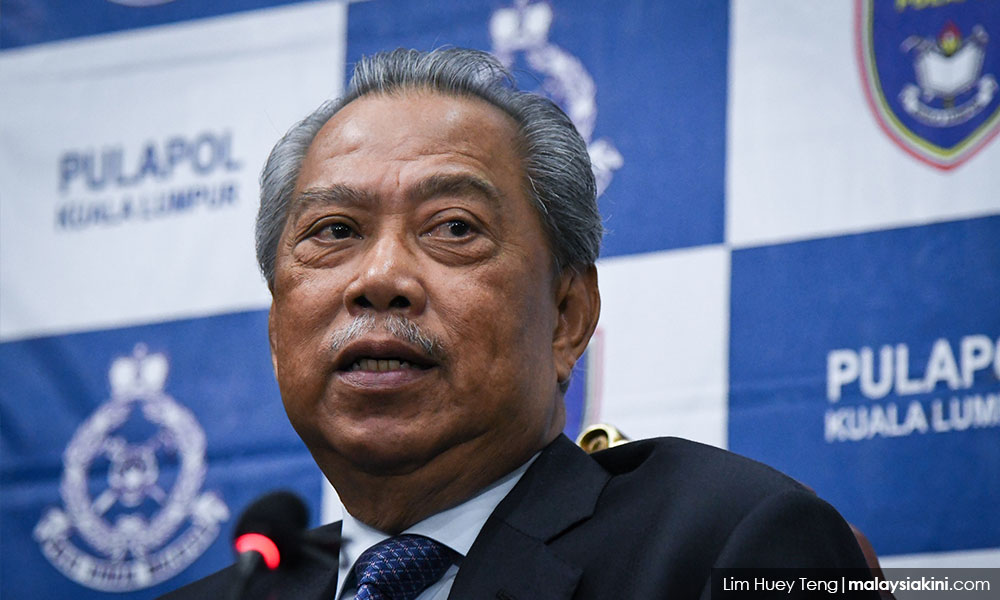
Home Minister Muhyiddin Yassin (photo) had said in May that the tabling of the bill would allow for the establishment of the IPCMC by the end of the year.
The IPCMC has long been called for to address integrity issues with the police following complaints, including cases of custodial deaths.
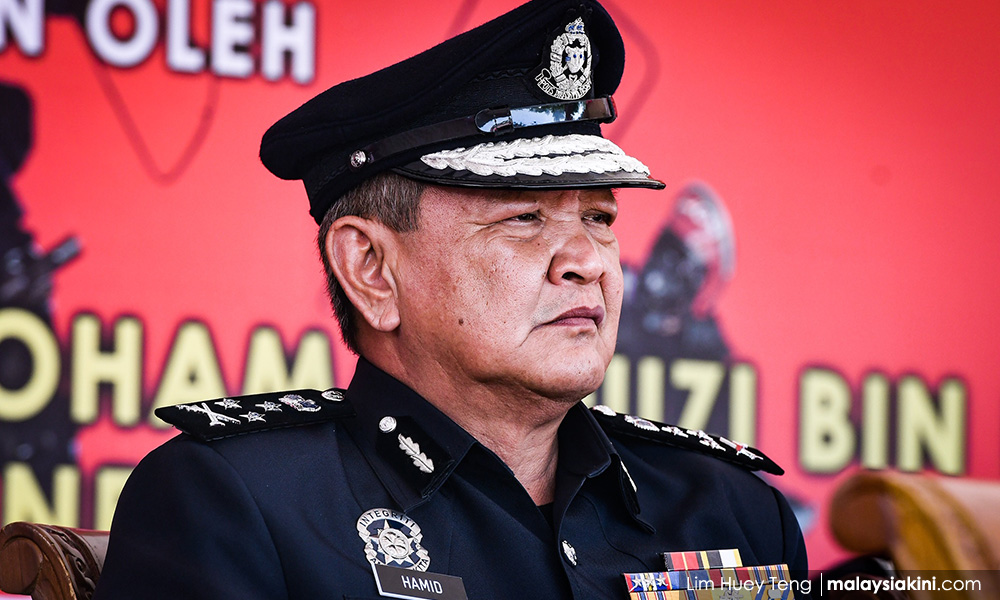
During former premier Abdullah Ahmad Badawi’s tenure, the idea of the IPCMC was rejected outright by then-police chief Mohd Bakri Omar in 2006, who said that the disciplinary powers of the Police Force Commission (SPP) should be maintained.
The Najib Abdul Razak administration, meanwhile, pledged to improve the Enforcement Agency Integrity Commission (EAIC), instead of introducing the IPCMC.
Under Item 20 of its election manifesto, Pakatan Harapan promised to implement the IPCMC within its first term.
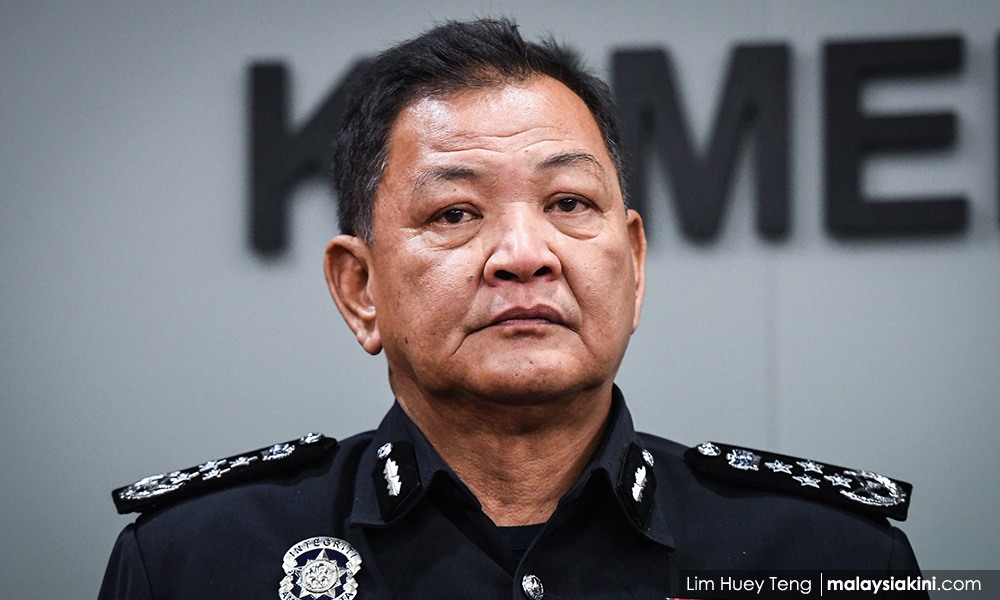
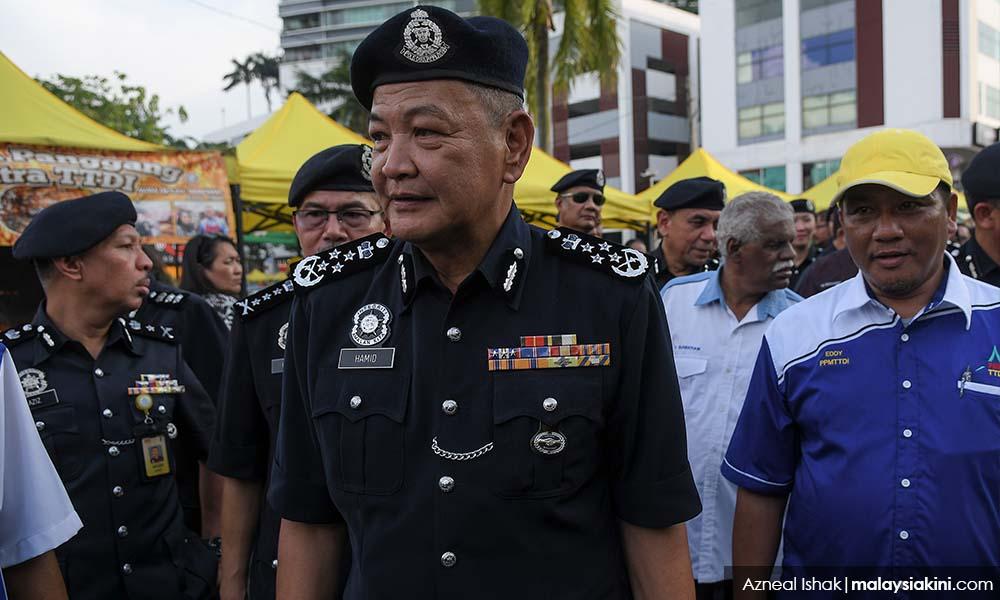
Newly minted Inspector-General of Police Abdul Hamid Bador was among the first high-ranked police officers to support the IPCMC.
The Dzaiddin commission had submitted in 2005 a report with recommendations for the IPCMC, as well as measures to improve police welfare.
However, the IPCMC at the time faced fierce objection from the police force.
Abdullah eventually gave in to pressure and introduced a watered-down version of the IPCMC in the form of the EAIC.
The EAIC has powers to investigate various enforcement agencies, including the police, but has no power to take action.
When the IPCMC bill becomes law, the EAIC will be dissolved as stipulated under Section 51 of the bill.


Report this comment
Are you sure you want to delete this comment?
This action cannot be undone.