




Expert: 'Lone wolf' attacks possible following IS leader's death
Islamic State (IS)'s 'lone wolves' are likely to retaliate against the United States by targeting the country's entities in the South East Asia following the death of IS leader Abu Bakr Al-Baghdadi, says a counter-terrorism expert.
"Retaliation will take precedent by lone wolf attacks and all US entities in the South East Asia region should be on alert," said Andrin Raj.
Islamic State (IS)'s 'lone wolves' are likely to retaliate against the United States by targeting the country's entities in the South East Asia following the death of IS leader Abu Bakr Al-Baghdadi, says a counter-terrorism expert.
"Retaliation will take precedent by lone wolf attacks and all US entities in the South East Asia region should be on alert," said Andrin Raj (above).
Raj is the Southeast Asia regional director for the International Association for Counterterrorism and Security Professionals (IACSP).
He said the death of the 48-year old Baghdadi, who is the IS founder, will not deter or hampen the spirits of the IS members with a new leader set to emerge in the near future.
"The IS threat is still prevalent. Unlike Al-Qaeda, IS members with no affiliation to the organisation can claim that they have pledged allegiance to IS.
"The threat has evolved globally and the Southeast Asia region will be a place for all religious terrorist groups to grow," he said.
Indonesia, a country with the largest Muslim population, has the largest number of IS members which serve a serious concern, claimed Raj.
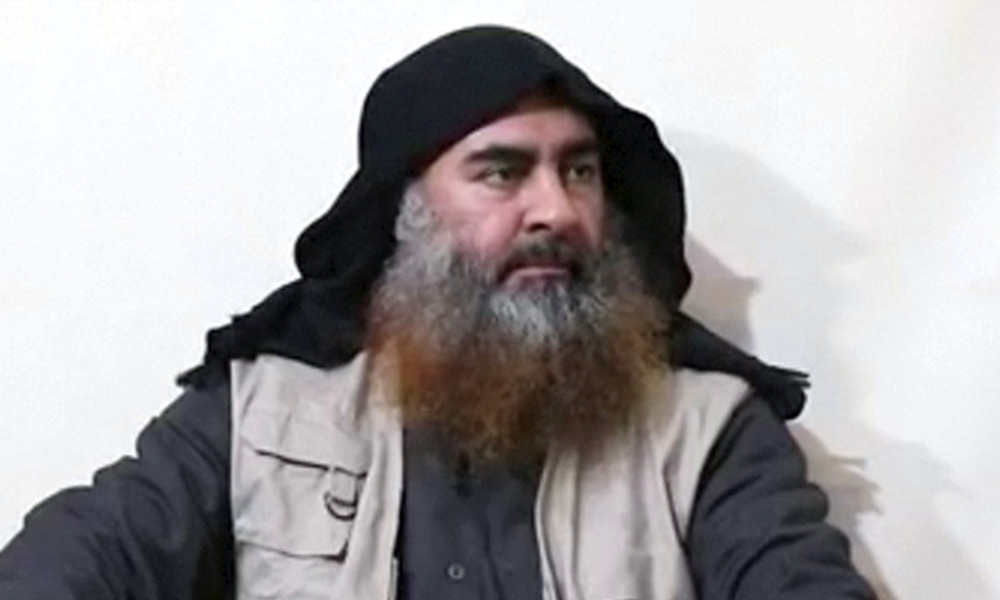
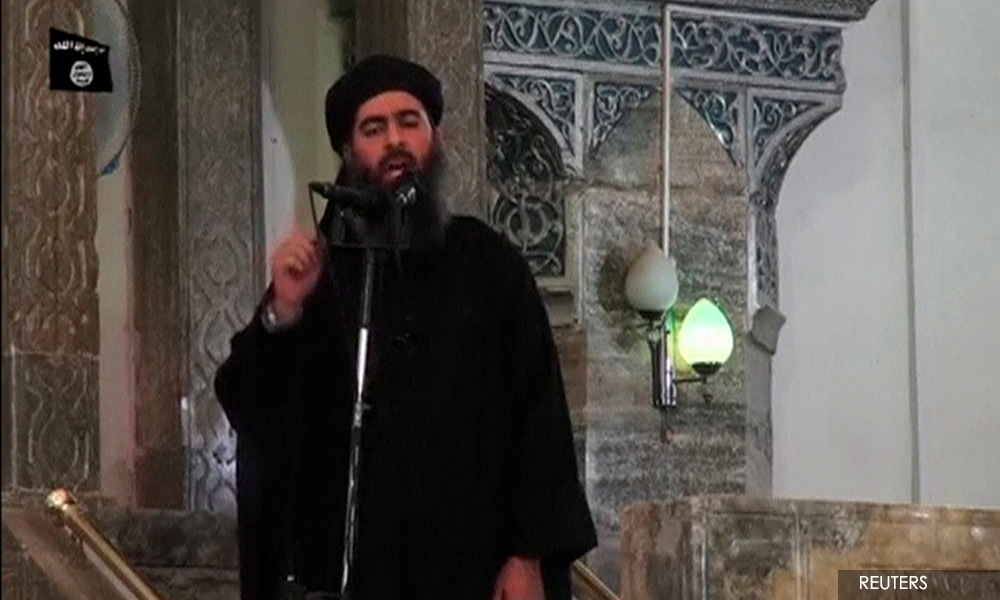
Raj said that even before Abu Bakr's (below) demise, the IS-linked Abu Sayyaf group in the Southern Philippines had already planned a large scale attack.

"Some months ago, Abu Sayyaf group kidnapped sea gypsies off Sabah who had no monetary value for a ransom payoff.
"But the sea gypsies are knowledgeable at underwater terrain and routes patrolled by littoral coast guards.
"They could be useful for the group to learn where to strategically plant explosives in certain underwater terrain," he claimed.
Raj said there is a possibility that IS and Al-Qaeda to join forces despite other counter-terrorism experts thought otherwise.
"Many experts have said that there is no affiliation or links between IS and Al-Qaeda but that is not true.
"IS was always working with Al-Qaeda from the beginning," Raj said, adding that there's a need to counter radical ideology masked under Islam.
The terrorist organisation Al-Qaeda, founded by Osama bin Laden is notorious for the September 11 attack on the World Trade Centre in New York in 2001.
Osama was killed in Pakistan in 2011.
On Sunday, US president Donald Trump announced that Baghdadi killed himself by igniting a suicide vest during a raid by US special forces in the Idlib province of Syria on Saturday.



Are you sure you want to delete this comment?
This action cannot be undone.