



Negotiations among political rivals can be good or confusing - Indonesian intellectual
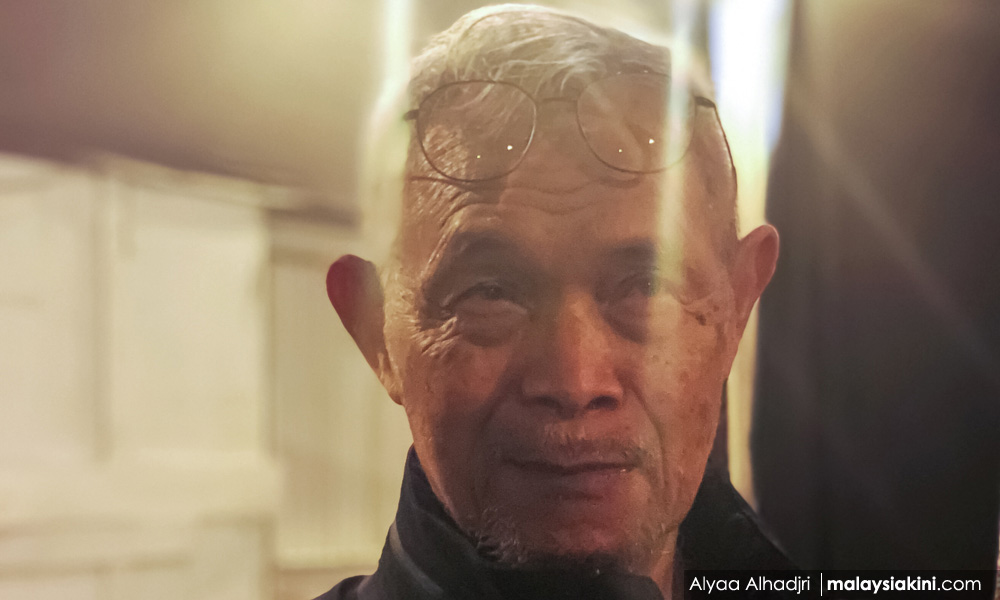
Engaging in negotiations with their political rivals may not always be the best way for an elected leader or government to navigate a state of polarised democracy, says Indonesian intellectual Goenawan Mohamad.
Met by reporters after a public forum in Kuala Lumpur last night, Goenawan said the outcome of such negotiations would largely depend on the context of the situation.
"Sometimes when you make negotiations with your opponents, it's a good thing and when you make a compromise, it's a good thing...
Engaging in negotiations with their political rivals may not always be the best way for an elected leader or government to navigate a state of polarised democracy, says Indonesian intellectual Goenawan Mohamad.
Met by reporters after a public forum in Kuala Lumpur last night, Goenawan said the outcome of such negotiations would largely depend on the context of the situation.
"Sometimes when you make negotiations with your opponents, it's a good thing and when you make a compromise, it's a good thing.
"Because democracy always entails compromise," said the founding editor of Indonesia's news magazine Tempo.
"But then you can also confuse people," he added.
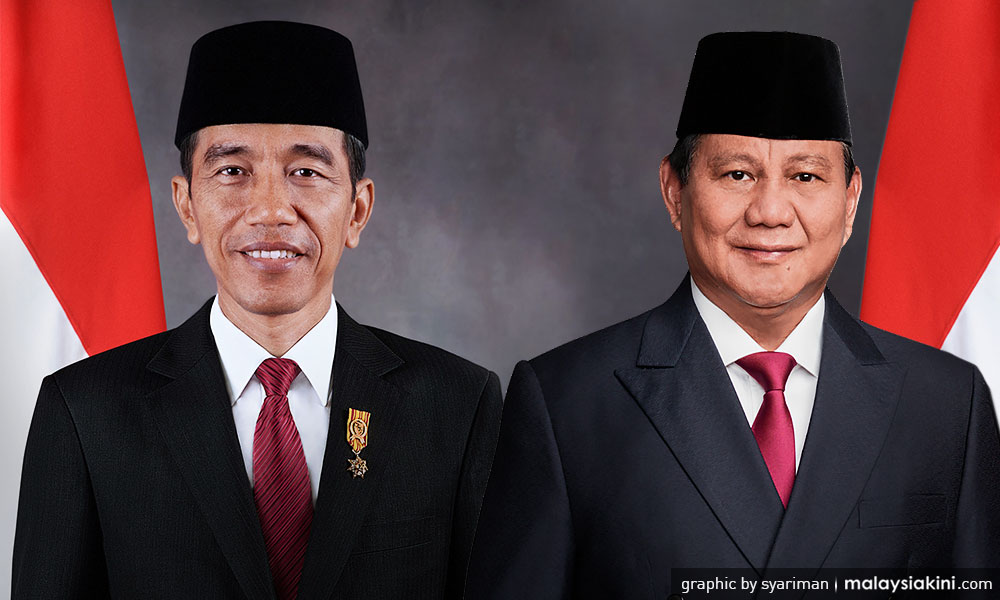
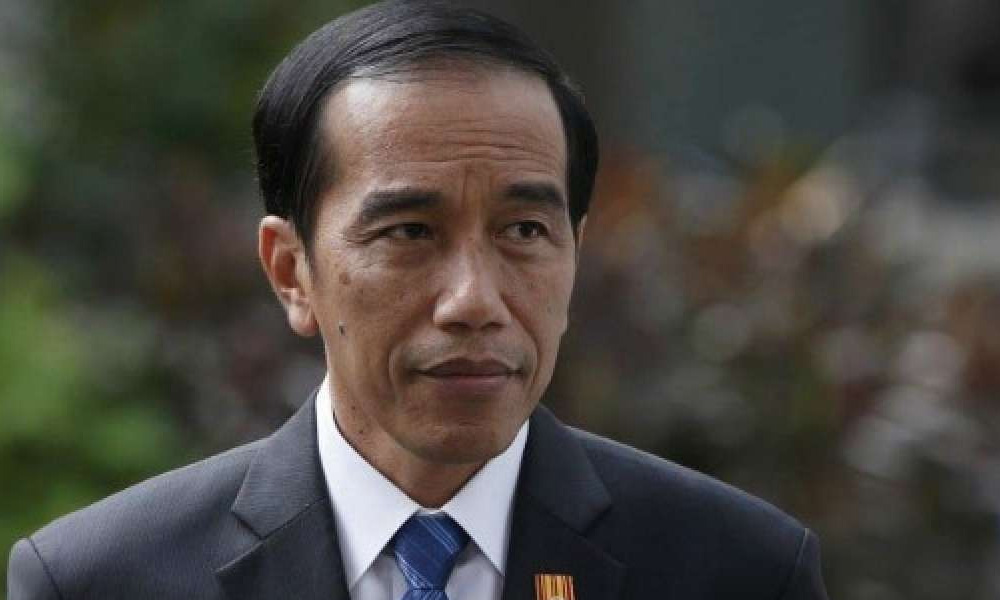
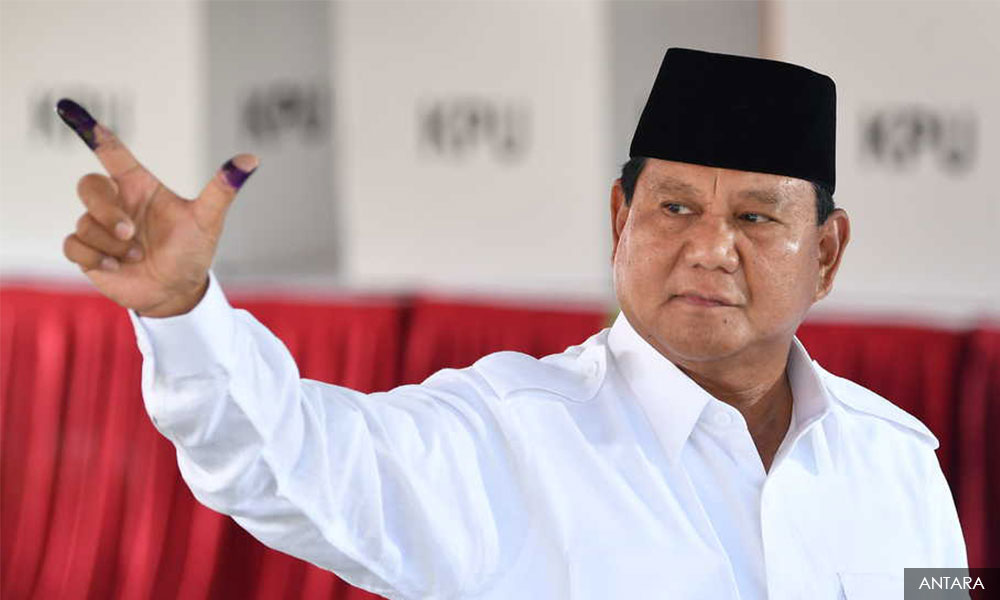
Alluding to the Indonesian experience, Goenawan said President Joko Widodo was out to prove two points when reconciling with Defence Minister Prabowo Subianto, his opponent in this year's as well as the 2014 presidential elections.
"I think Jokowi wants to show the world and the Indonesian people that politics is not about perpetual animosity.
"Secondly, it was also to show that he is more powerful than Prabowo, and that's why Prabowo was put under him," said Goenawan.
The months leading up to Indonesia's presidential elections in April saw clear polarisation - particularly on social media - between supporters of Jokowi and Prabowo.
Prabowo had claimed to be a victim of electoral fraud but Indonesia's Constitutional Court subsequently ruled to reject his challenge.
The civil unrest that followed Jokowi's victory resulted in several deaths and hundreds injured.
The two leaders met again for the first time in July and urged their supporters to reconcile.
Three months later, Jokowi in a surprise move announced that Prabowo has been appointed as a member of his new cabinet.
The "Democracy in a Polarised Age" public forum hosted by think-tank Refsa is organised in the backdrop of political upheavals around the region, as well as domestic intrigues involving political parties in both ruling Harapan and opposition BN coalitions.
Quizzed on lessons that can be learned by Malaysian politicians attempting to engage in negotiations with their opponents, Goenawan said: "Maybe that political rivalry can never last."
"There is always time to stop and negotiate.
"You don't perceive politics as eternal combat," he said.
Earlier, Goenawan responded to questions raised by the forum moderator, cultural activist Eddin Khoo.
Among others, Khoo referred to the dominance of identity politics built on rhetorics surrounding purity of race and religion, despite a "cultural chaos" that more accurately represent the reality of people in the region.
"It's good to have chaos in this idea of identity... The concept of identity in itself is very repressive," said Goenawan who noted that many labels including Pribumi in Indonesia were created by colonial powers to divide the people.


Are you sure you want to delete this comment?
This action cannot be undone.