



M’sia Productivity Corp wants to cut red tape, targets 4pct growth
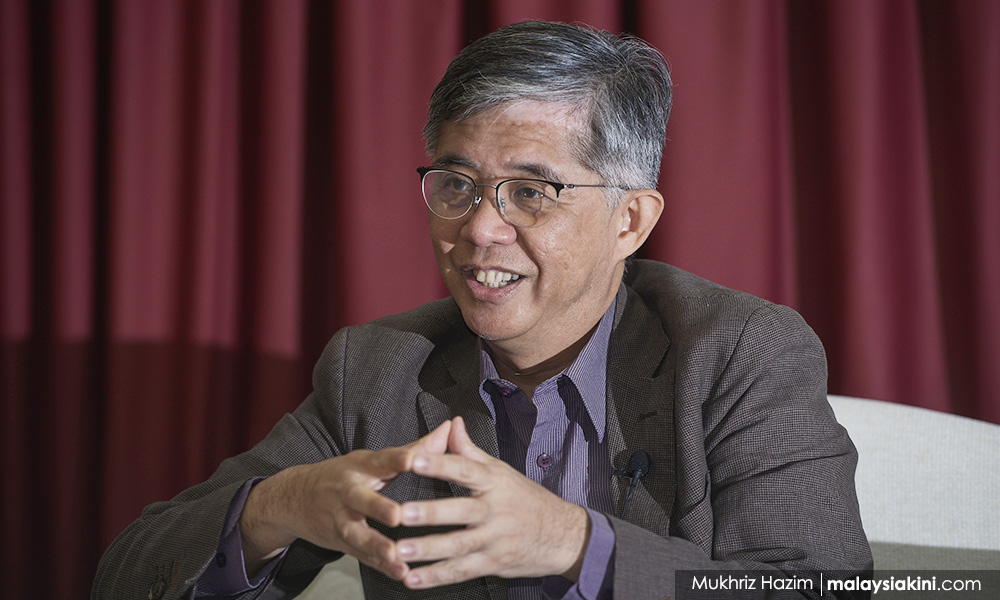
INTERVIEW | Malaysia Productivity Corporation (MPC) chairperson Chua Tian Chang targets labour productivity growth to improve to four percent under his helm.
This, he proposes, can be achieved through speedier approvals for certain government processes.
Tian Chua, as the PKR politician is better known, took over the role from AmBank...
INTERVIEW | Malaysia Productivity Corporation (MPC) chairperson Chua Tian Chang targets labour productivity growth to improve to four percent under his helm.
This, he proposes, can be achieved through speedier approvals for certain government processes.
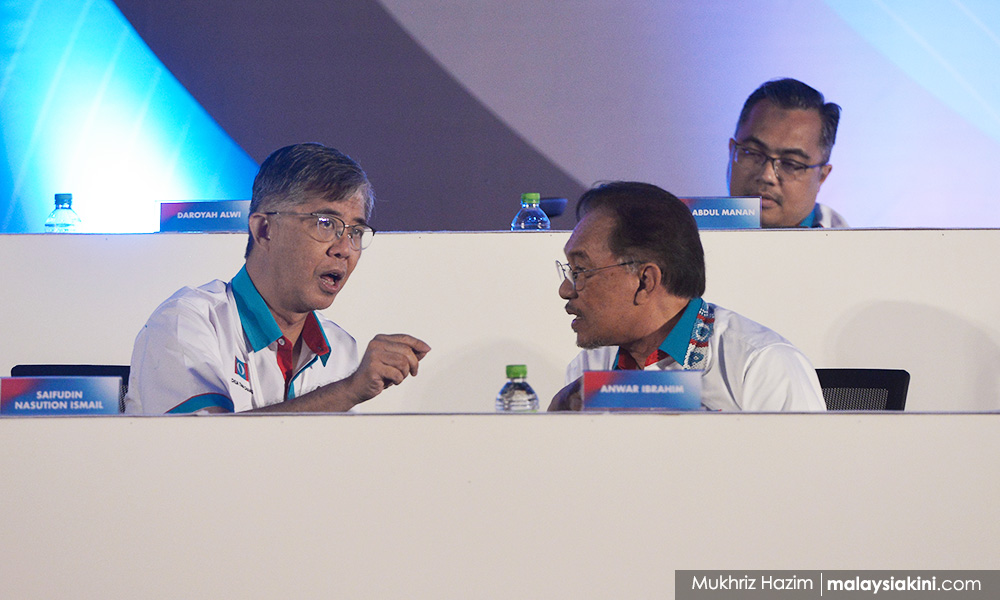
Tian Chua (above), as the PKR politician is better known, took over the role from AmBank chairperson, Azman Hashim, in May this year.
Met at his office in Petaling Jaya this week, he said his masters in Employment and Labour Studies gave him the necessary grounding to steer MPC.
A statutory body under the International Trade and Industry Ministry (Miti), the corporation’s role is to monitor and spur productivity growth across various economic sectors.
According to MPC, labour productivity grew an average of 2.2 percent last year - a drop compared to the growth seen in the previous few years.
“By right, if we can get about three to four percent of the current situation, that would be very good.
“(Last year) it was about two percent, which is not bad. We are hoping it will increase,” said Tian Chua when asked about his target.
Labour productivity grew 3.6 percent in 2017, while in 2016 and 2015, it rose 3.5 percent per year.
Productivity is calculated by dividing economic output by input, with output typically being gross domestic product (GDP) and input being the number of hours worked.
Tian Chua stressed that red tape was a barrier to the country’s productivity growth.
“The approval of technology, the approval of buildings takes years. And there are so many layers of bureaucracy, (this is) causing stagnation of productivity.
“This is one new aspect where the new government is looking into and we want to reform the policies so we can speed up approvals,” he revealed.
The MPC is also looking at hastening local government approvals for land as well as approvals for setting up private and public hospitals, he added.
Consultative, consistent policies
Another project the MPC was working on was to help the government formulate better policies and regulations, ones that would serve their intended goals as well as spur productivity.
Tian Chua shared that the corporation was now spearheading the Good Regulatory Practice (GRP) initiative.
As the secretariat, it was tasked with facilitating stakeholder and public consultations for ministries when the latter wanted to formulate or review policies.
“Let’s say the government wants to change regulations on the media [...] they will draft a regulation, and we will absolve it and put it on public display.
“We will monitor (to ensure) they call the stakeholders for dialogues and make sure they get enough input - the pros and cons of certain rules - and then amend (the draft) [...]
“Finally, we will put it to Parliament or put it to the regulators to make it into a policy,” he explained.
Tian Chua added that the MPC was presently facilitating consultations on how best to regulate Airbnb Inc in Malaysia.
Earlier this year, the global online accommodation broker called on the government for clearer and fairer guidelines for tourism tax collection. The tax, which came into effect on Sept 1 last year, charges a flat rate of RM10 per room per night on foreigners staying in hotels or registered private accommodations.
As the business sector waits on when Prime Minister Dr Mahathir Mohamad will hand over the premiership to PKR leader Anwar Ibrahim, Tian Chua cautioned against drastic policy changes in the event of the transition.
“We don’t want economic policies to be totally tied to an individual style of leadership, there must be certain bottom lines that are always consistent so that it can instil confidence.
“And I think this is something both Mahathir and Anwar need to work out, or whoever in the Pakatan Harapan leadership need to work out, to ensure that it will not be a sudden change [...],” he said.


Are you sure you want to delete this comment?
This action cannot be undone.