



Preliminary results for Covid-19 drug trials in three weeks - WHO
CORONAVIRUS | Preliminary results for tests on two potential cures for Covid-19 will be ready in three weeks, the World Health Organisation said.
The two drugs are being fast-tracked by the WHO in a bid to expedite the search for a cure, which entailed prioritising the clinical trials to receive donor funding.
“We are looking forward to the results of two clinical trials of therapeutics prioritised by the WHO R&D Blueprint.
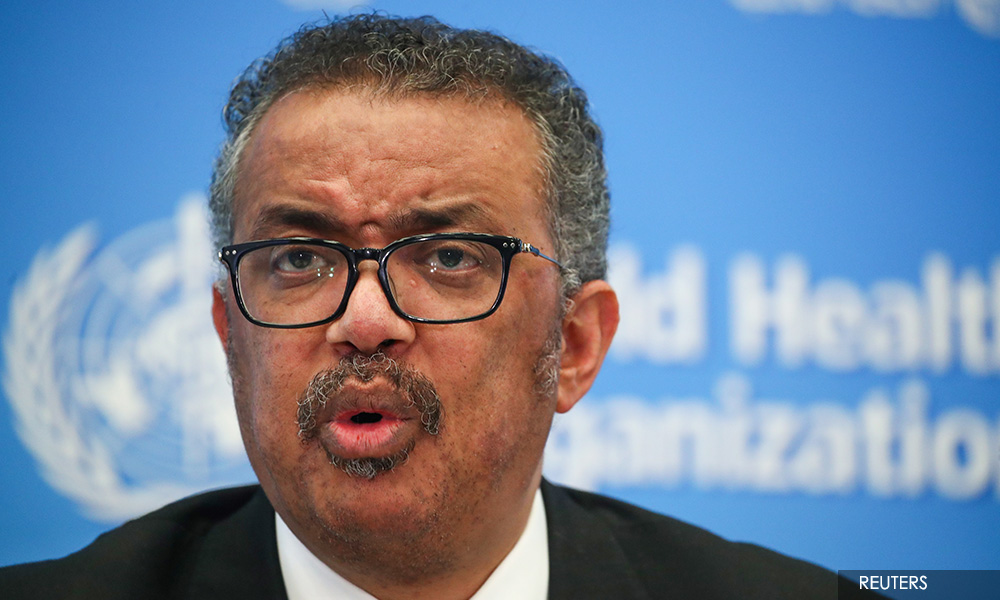
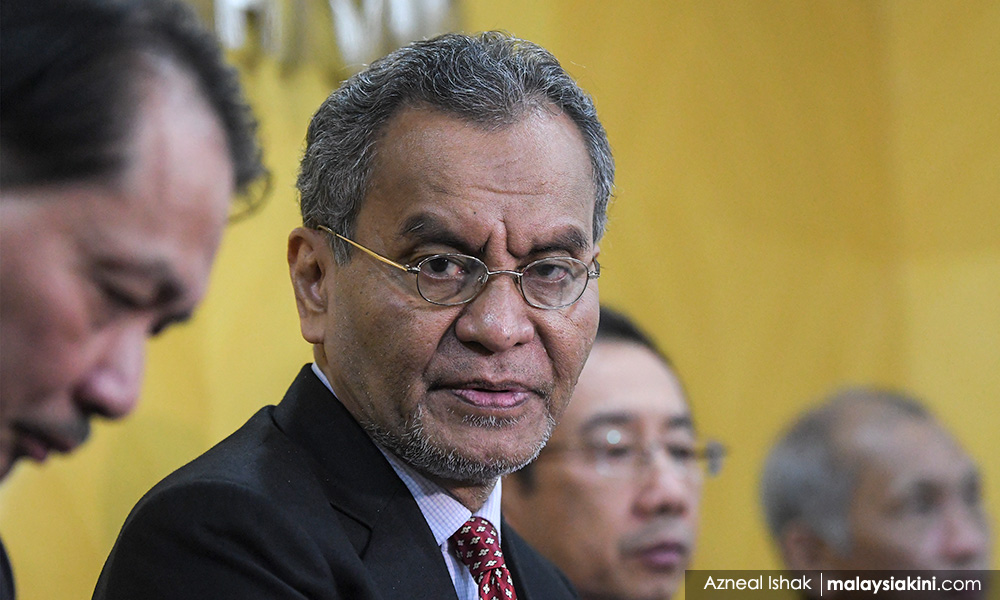
“One combines two drugs for HIV - lopinavir and ritonavir - and the other is testing an antiviral called remdesivir,” WHO director-general Dr Tedros Adhanom Ghebreyesus (above) said at a daily press briefing at WHO’s headquarters in Geneva last night, which had been streamed live online...
CORONAVIRUS | Preliminary results for tests on two potential cures for Covid-19 will be ready in three weeks, the World Health Organisation said.
The two drugs are being fast-tracked by the WHO in a bid to expedite the search for a cure, which entailed prioritising the clinical trials to receive donor funding.
“We are looking forward to the results of two clinical trials of therapeutics prioritised by the WHO R&D Blueprint.
“One combines two drugs for HIV - lopinavir and ritonavir - and the other is testing an antiviral called remdesivir,” WHO director-general Dr Tedros Adhanom Ghebreyesus (above) said at a daily press briefing at WHO’s headquarters in Geneva last night, which had been streamed live online.
Tedros had previously announced that a new vaccine for Covid-19 could be ready in 18 months, but stressed this is merely preparation for the long-term. The expedited drug trials use existing drugs that have already passed safety tests in humans and thus require fewer further tests.
Thus far, there is no cure for Covid-19, which was first detected in Wuhan, China, late last year. The disease has infected 75,748 people and killed 2,129 of them, with Iran yesterday joining the list of affected countries.
Treatment of the disease has focused on providing relief for its symptoms and keeping the patient alive until the patient’s own immune system can fight off the virus.
Nevertheless, there have been promising results in the off-label use of existing drugs to treat the Covid-19.
However, due to the way the drugs were administered, it is impossible to be certain whether a patient’s condition had improved due to the drug, or if the patient would have got better without it. Hence a number of randomised controlled trials are being conducted in search of a definitive answer.
According to a news report in the journal Nature on Feb 15, more than 80 clinical trials are being conducted or still pending across China, which enrolled as many as 600 people each.
Traditional medicine and stem cell therapy also tested
These include experiments testing new uses for existing drugs, new procedures and even traditional medicine and stem cell therapy.
Lopinavir, ritonavir, and remdesivir are all antiviral drugs that disrupt mechanisms that enable viruses to replicate themselves within a patient's body.
In particular, the lopinavir and ritonavir had shown promise in animal tests for the treatment of coronaviruses that cause Severe Acute Respiratory Syndrome (Sars) and Middle East Respiratory Syndrome (Mers), in addition to already being approved for treating HIV infections.
Previously, doctors at a Bangkok hospital had reported that their Covid-19 patients had vastly improved after receiving doses of lopinavir and ritonavir, together with the influenza drug oseltamivir.
At least one Covid-19 patient in Malaysia, the seventh case, was treated with the same drugs. He has since recovered and was discharged from Permai Hospital, Johor Bahru, on Feb 18.
The experimental antiviral drug remdesivir is not currently approved for the treatment of any disease. It was originally developed for treating the Ebola virus, but was dropped after clinical trials found it to be less effective than other treatments being tested.
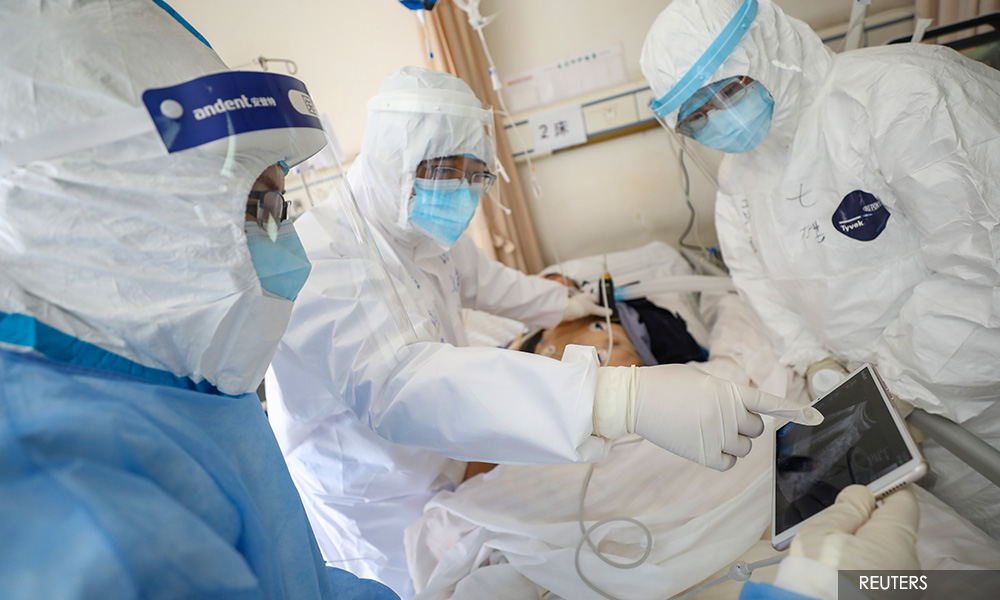
Nevertheless, the condition of a Covid-19 patient in the US had reportedly improved after being treated with remdesivir.
Overall, current estimates suggest that Covid-19 has a fatality rate of about two percent of confirmed cases, or about one percent of all infections (whether reported or unreported).
Meanwhile, Tedros lamented that the WHO’s call for additional funding to fight the virus has received a lacklustre response.
“We have put together a response plan and announced the need for financing in the amount of US$675 million (RM2.82 billion).
“There are some pledges, but considering the urgency and considering we’re fighting a very dangerous enemy, we’re surprised that the response is not really something we would expect,” he said.
He said China’s efforts to contain the virus meant there are relatively few cases outside the country.
This provides a window of opportunity to “strike hard” against the disease, he said, but that opportunity may not last.
According to the WHO’s daily situation report for Feb 20, there are 1,073 cases of Covid-19 in 26 countries outside China, compared to 74,675 cases in China. Of these, 235 cases involved patients believed to have contracted the disease outside China.



Report this comment
Are you sure you want to delete this comment?
This action cannot be undone.