



S’pore PM: Plan underway to help M’sian workers stay in S’pore temporarily
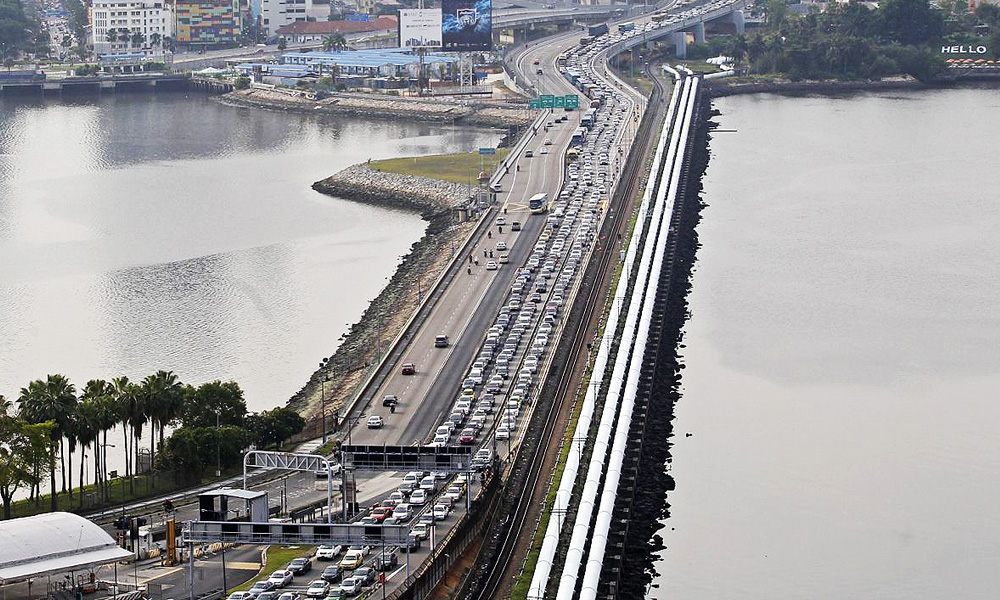
The Singapore government is scrambling to find ways to house Malaysians who commute daily from Johor to the city-state for work.
This is after Putrajaya's announced a Movement Control Order to combat the Covid-19 outbreak, which will bar them from leaving the country beginning midnight until the end of the month.
CORONAVIRUS | In light of Malaysia’s decision to bar all citizens from leaving the country, Singapore is figuring out how to house Malaysians workers who commute daily from Johor to the city-state.
This was announced by Singaporean Prime Minister Lee Hsien Loong today following his discussion with Malaysian premier Muhyiddin Yassin.
“Malaysians living in Johor but working in Singapore will have to comply with the Malaysian lockdown. This will prevent them from commuting daily, at least for the time being.
“We are therefore working out arrangements with our companies to help these Malaysians workers stay in Singapore temporarily, if they would like to do so,” Lee said on his official Facebook page.
The two leaders also decided to appoint Defence Minister Ismail Sabri and Singapore Coordinating Minister for National Security Teo Chee Hean to coordinate Covid-19 mitigation measures for the two nations.
Some 300,000 people commute daily from Johor to work in Singapore.
Malaysia's Immigration Department director-general Khairul Dzaimee Daud today confirmed Putrajaya's restriction would apply to everyone, including Malaysians who cross the causeway for work.
The ban is a part of Putrajaya’s move to impose a movement control order to combat the Covid-19 outbreak. Announced last night, it comes into effect midnight tonight (March 18) until March 31.
According to Lee, Muhyiddin assured him that cargo, including food, would be allowed to be transported between Singapore and Malaysia during this period.
Workers can stay with relatives, friends
Earlier, Singapore's Manpower Ministry advised companies to encourage their affected workers to stay with relatives, friends and colleagues as a temporary measure.
"For workers who cannot stay with relatives, friends or colleagues, the (Singapore) government has worked with the private and public sectors to make available a range of short-term housing options," it said in a statement.
This includes a range of hotels and dormitories as well as rooms and whole properties in both HDB flats and the private residential property market.
"The (Singapore) government will also be working with the hotel/dormitory providers on providing lower-cost rentals.
"Our objective is to minimise any impact on the delivery of services for our people," it said.
The Manpower Ministry added that the Singapore government is finding ways to provide financial support for companies that need to urgently accommodate their affected workers.
"We advise employers to assess their manpower needs carefully and make a considered decision as to whether they need their affected workers to remain in Singapore.
"In providing assistance, we will prioritise the needs of firms that provide essential services such as healthcare, security, cleaning, waste management, facilities management, logistics and transport," it said.
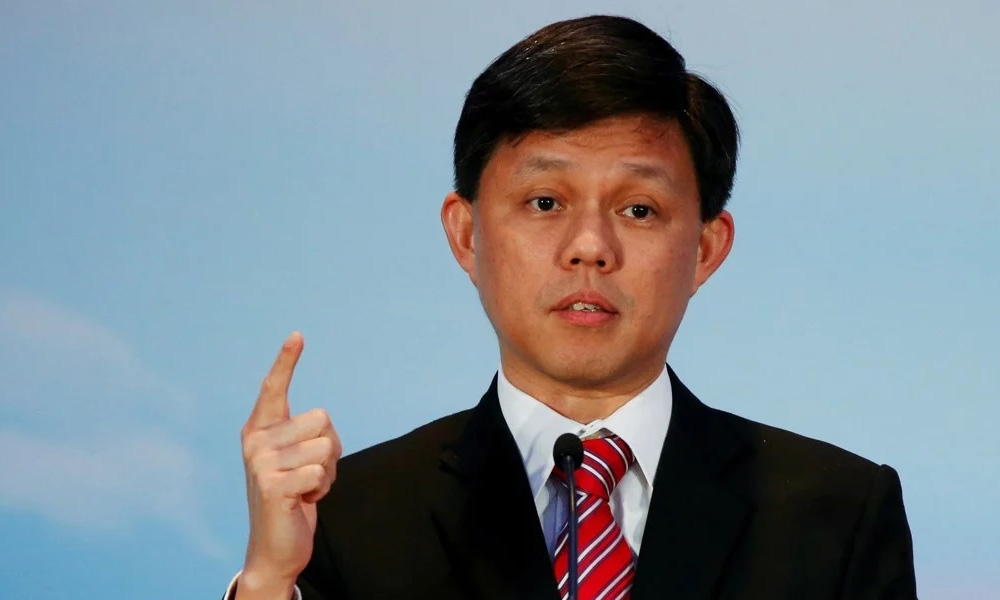
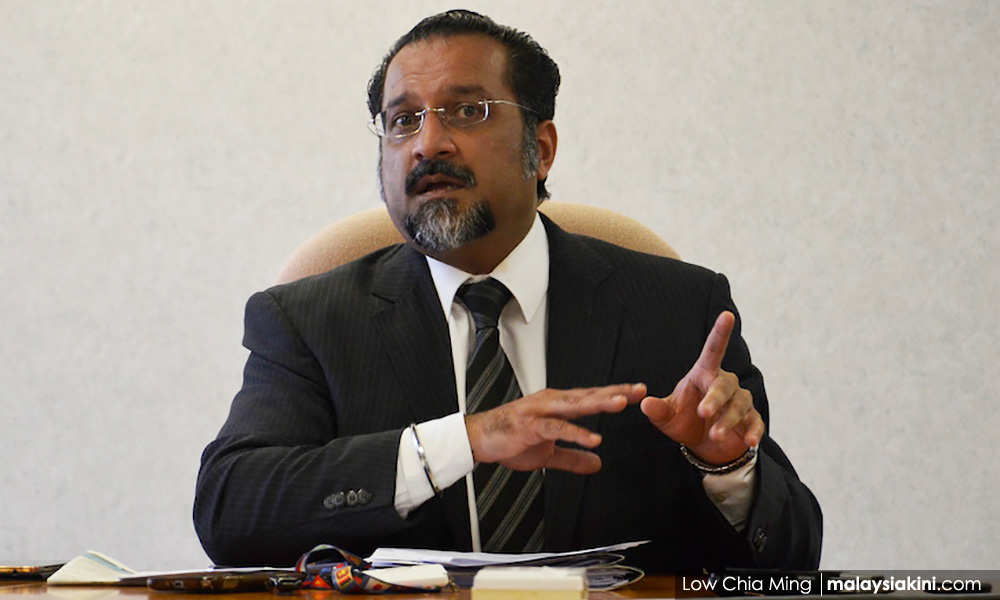
Meanwhile, Singapore Trade and Industry Minister Chan Chun Sing (above) also said government agencies and trade associations will offer help to companies to house affected workers.
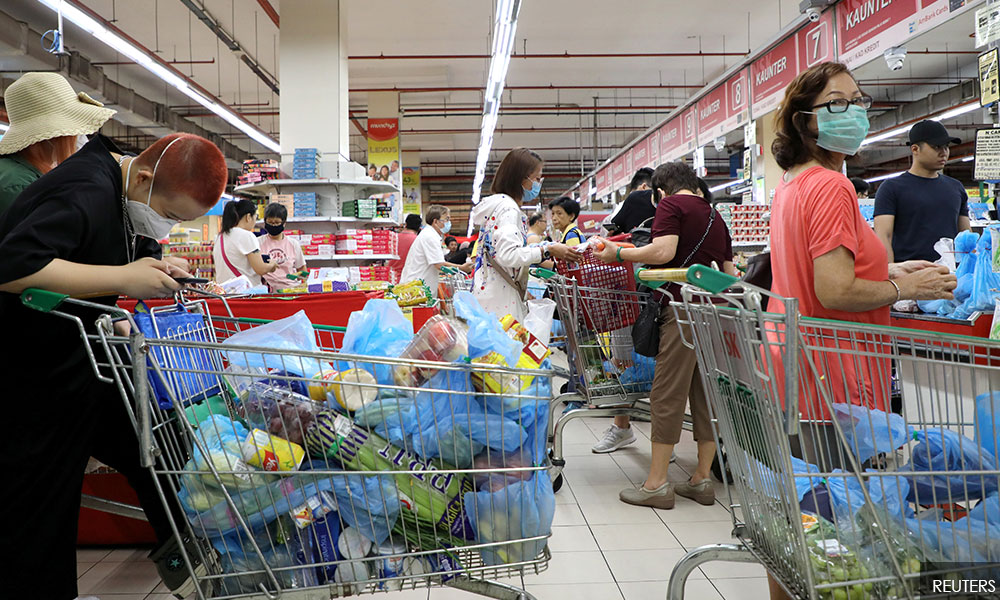
Chan also said Singapore has a contingency plan in case of disruption in food supply from Malaysia.
“We have put in place robust plans to manage this scenario and will continue to review our strategies to ensure that Singaporeans never run out of food or essential supplies,” he said.
Malaysia’s movement control order covers the following:
1. A ban on all mass gatherings, including religious, sports, social and cultural activities.
All business premises will have to close, except supermarkets, wet markets, grocery shops and convenience stores.
2. All Malaysians are banned from travelling abroad while Malaysians returning from abroad will have to undergo health screenings and undergo self-quarantine for 14 days.
3. Entry restrictions for foreign tourists and visitors.
4. The suspension of all schools and learning institutions.
5. All higher learning institutions and skill training centres will have to close.
6. All government and private business premises must close except for essential services - water, electricity, energy, telecommunications, postal services, transport, maritime, fuel, gas, lubricants, broadcast, financial services, banking, healthcare, pharmacies, fire and rescue, prisons, ports, airports, security, defence, cleaning and supplying of food.


Are you sure you want to delete this comment?
This action cannot be undone.