



AG: NGO's claims on lack of prosecution guidelines way off mark
Attorney-General Idrus Harun has dismissed claims by a civil rights NGO that his office had failed to provide prosecutors with guidelines, leading to allegations of prosecutors going overboard in meting out punishments for those violating the movement control order (MCO).
"Nothing could be further from the truth," said Idrus in a statement issued today in response to claims by Eliminating Death And Abuse In Custody Together (Edict) that unlike other institutions involved in the administration of justice, the Attorney-General’s Chambers (AGC) had failed to issue guidelines to prosecutors to ensure even-handed implementation and enforcement of the MCO.
Attorney-General Idrus Harun has dismissed claims by a civil rights NGO that his office had failed to provide prosecutors with guidelines, leading to allegations of prosecutors going overboard in meting out punishments for those violating the movement control order (MCO).
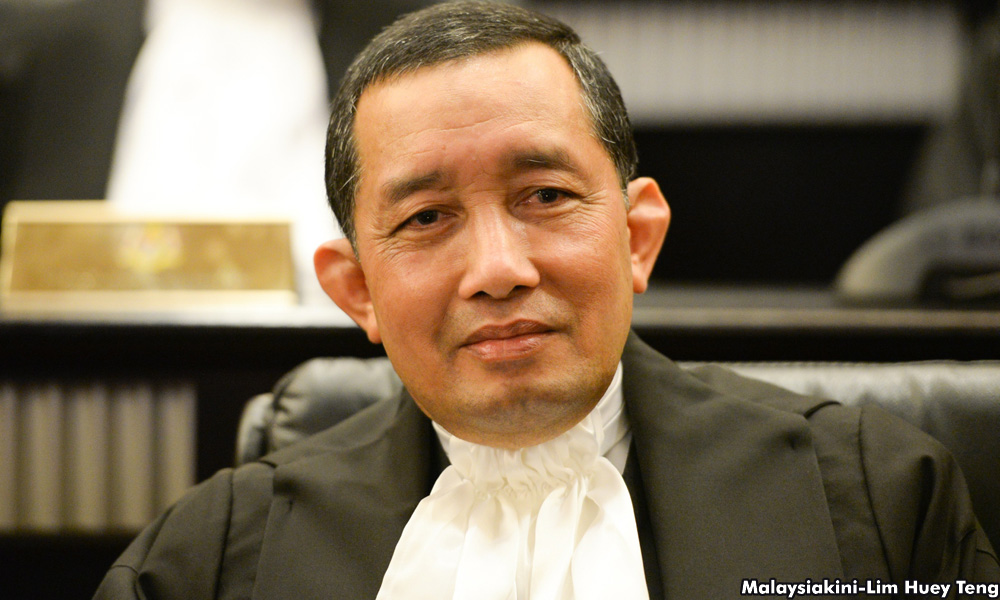
"Nothing could be further from the truth," said Idrus (photo) in a statement issued today in response to claims by Eliminating Death And Abuse In Custody Together (Edict) that unlike other institutions involved in the administration of justice, the Attorney-General’s Chambers (AGC) had failed to issue guidelines to prosecutors to ensure even-handed implementation and enforcement of the MCO.
He said guidelines and directives are regularly issued to the deputy public prosecutors (DPPs).
"The DPPs are also governed by a code of ethics. Monitoring of court cases involving breaches of MCO is done every day by the head of the Prosecution Division and his deputies."
Idrus added that DPPs are required to send a report on those cases daily to the AG.
"As an example, DPPs were reminded recently to be particularly sensitive to cases involving juveniles to ensure they are not remanded except in the most unavoidable of circumstances and they are treated in a court for children under the Child Act."
He, however, said some matters, like remand and sentencing, are not within the purview of the AG.

Edict has alleged selective policing and prosecution for breaching the MCO. Earlier this month, it cited the case of a 61-year-old cardiologist who was brought to a courtroom in handcuffs after being nabbed while jogging, students at a college in Penang who were handcuffed and chained together, poor fishermen unable to pay RM1,000 fines and a starving Form Six student languishing in Marang prison because his family could not raise RM800 bail.
Edict had also claimed that some VIPs and politicians had gotten away with committing MCO violations.
Idrus said the actions and decisions of the AG, as well as those of the DPPs, are based on powers and responsibilities conferred by the Federal Constitution and the law.
"Edict appears to have made the erroneous assumption that just because they have not sighted any directives or guidelines by the AG, therefore there must be none."
"This is not true. DPPs, as well as the police and the court, have been working hard under novel conditions while potentially exposing themselves to the risk of infection," he said.
Idrus added that while the AGC, being a public institution, welcomes criticism of its actions, they should be constructive and based on facts duly established and not on conjecture and diatribe which are not fact-checked.
Keep up with the latest information on the outbreak in the country with Malaysiakini's free Covid-19 tracker.
Malaysiakini is providing free access to the most important updates on the coronavirus pandemic. You can find them here.
Help keep independent media alive - subscribe to Malaysiakini.





Report this comment
Are you sure you want to delete this comment?
This action cannot be undone.