


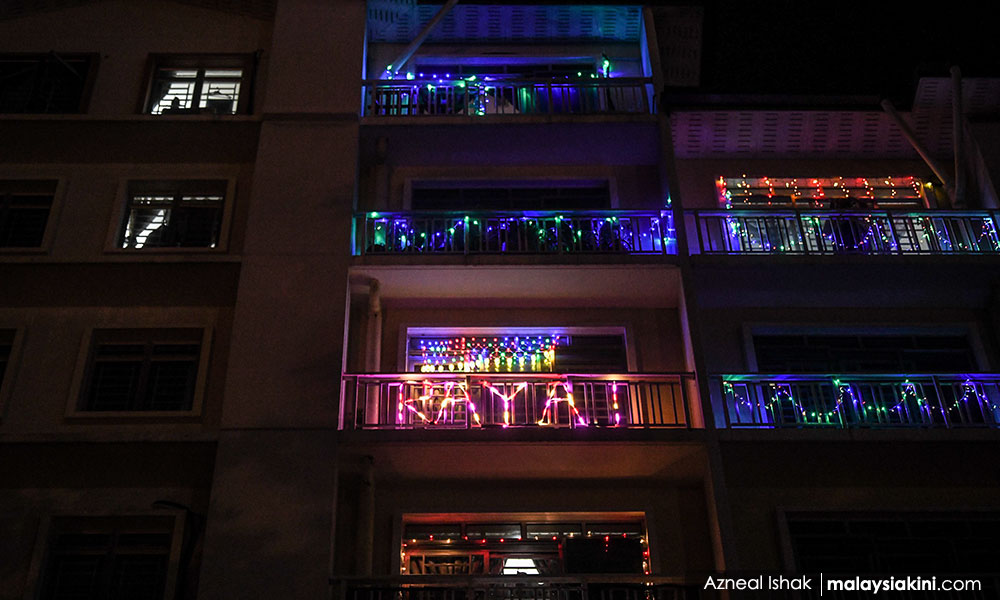

Residential electricity usage soars 23 pct during MCO – minister
Electricity usage by residential users in Peninsular Malaysia soared 23 percent during the movement control order (MCO) period compared to a decrease of 33 percent in overall use, according to Energy and Natural Resources Minister Shamsul Anuar Nasarah.
"There was a 23 percent increase (residential). It probably means that (people) are staying at home as directed by the authorities," he said during a television programme with TV3 recently.
Electricity usage by residential users in Peninsular Malaysia soared 23 percent during the movement control order (MCO) period compared to a decrease of 33 percent in overall use, according to Energy and Natural Resources Minister Shamsul Anuar Nasarah.
"There was a 23 percent increase (residential). It probably means that (people) are staying at home as directed by the authorities," he said during a television programme with TV3 recently.
Meanwhile, the decrease in overall electricity usage in Peninsular Malaysia as well as in Sabah (30 percent) and Sarawak (20 percent) followed a move by the government to close all business premises and halt economic activities due to the imposition of the MCO.
The most notable decline was in commercial centres such as business complexes, shopping malls and hotels which recorded a decrease of between 31 to 47 percent in electricity use.
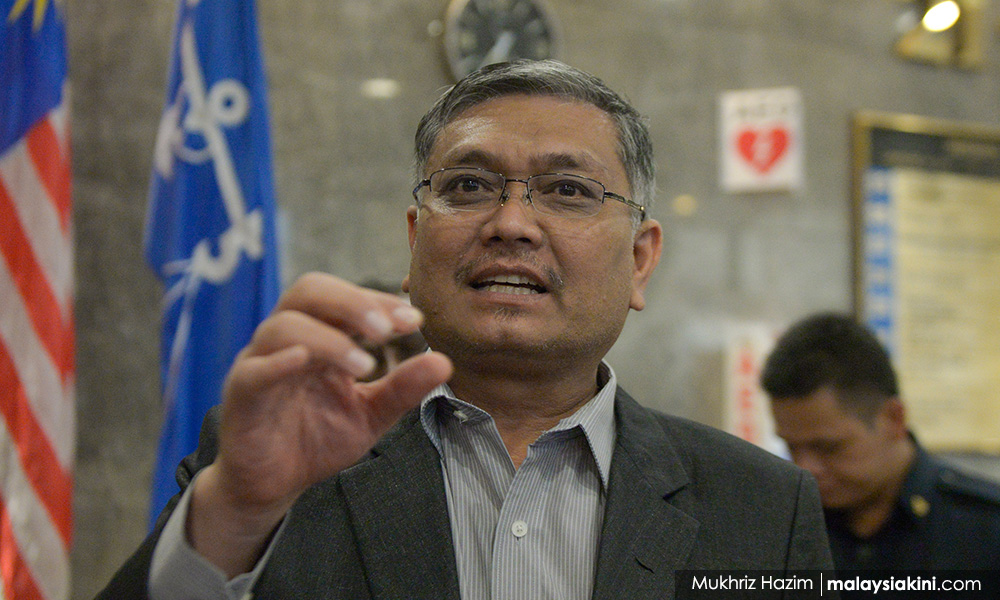
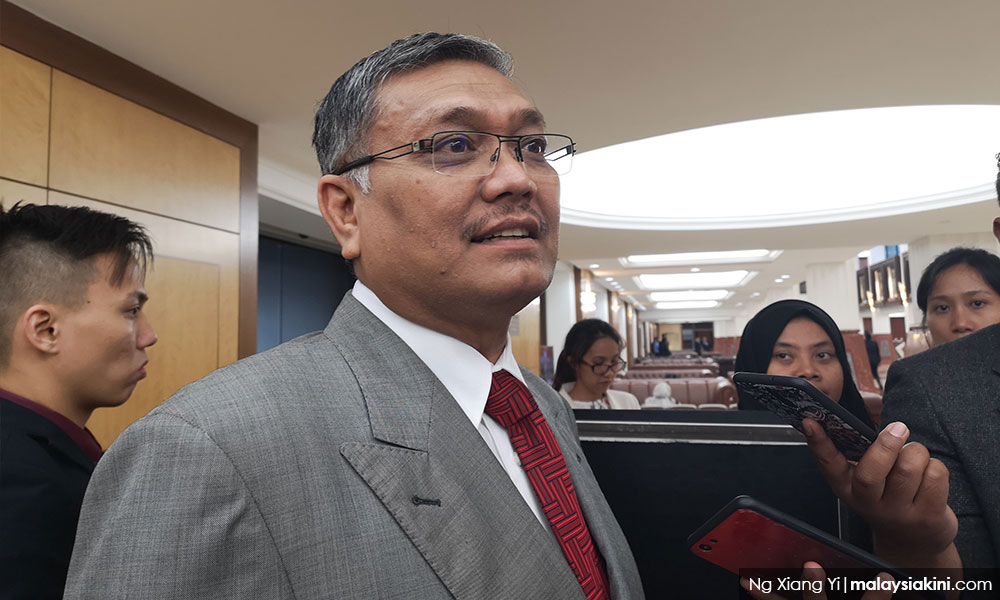
Shamsul (photo) said sectors which had experienced a decline in their electricity consumption will take time to recover, especially industries and sectors that were told to halt their business operations due to the introduction of the MCO.
However, there are certain sectors that showed rapid recovery such as health, communication and food.
Realising the outbreak of Covid-19 would leave a huge impact on the people, the government introduced several economic stimulus packages including providing an electricity discount of between two to 50 percent to 7.5 million residential users in Peninsular Malaysia.
In addition to residential consumers, other affected sectors of the economy also received electricity discounts.
A total of RM569 million was spent for over nine million users in Peninsular Malaysia for this purpose involving allocations from the Finance Ministry, Kumpulan Wang Industri Elektrik (KWIE) and TNB.
As an additional measure, the government with TNB has also decided there would be no cut in electricity supply until July 31, besides introducing flexible payment plans for residential users until December and not impose a late payment surcharge until September 30 this year.
Commenting on adjustment of electricity bills, the ministry and TNB, he said, would do their best to ensure the people are not burdened with unreasonable charges.
Giving an example, he said, if consumers received a bill of about RM73.32 for the usage of 280 kilowatt hours (kWJ) of electricity in February, the amount would be used as an estimated bill for March, April and May.
"Let's say the actual reading in June is 1,400 kWJ for a period of four months from March to June, so the actual reading in June is not calculated based on the June's tariff block but is divided into four months on average so that the people are not charged unreasonably,” said Shamsul.
Due to the average distribution of over four months, the monthly usage is only 350 kWJ and the bill payable is RM102.80 a month, so the four-month bill is only RM411.20 compared to RM681 without this method.
Shamsul also advised users to refer to https://www.tnb.com.my/prihatin or the TNB customer service.
“We will continue to help. If there is any misunderstanding you can contact TNB or visit the website," added the minister.
- Bernama



Are you sure you want to delete this comment?
This action cannot be undone.