



Rights groups claim M'sia backsliding on free speech under PN
Activist group Human Rights Watch (HRW) has questioned the level of press freedom since the Perikatan Nasional (PN) government took over, claiming that Malaysia’s new administration is increasingly using abusive laws to investigate and prosecute speech critical of the government.
"Since the PN coalition took over the federal government in early March 2020, the authorities have sharply heightened investigations of individuals under broadly worded laws that violate the right to freedom of expression...
Activist group Human Rights Watch (HRW) has questioned the level of press freedom since the Perikatan Nasional (PN) government took over, claiming that Malaysia’s new administration is increasingly using abusive laws to investigate and prosecute speech critical of the government.
"Since the PN coalition took over the federal government in early March 2020, the authorities have sharply heightened investigations of individuals under broadly worded laws that violate the right to freedom of expression.
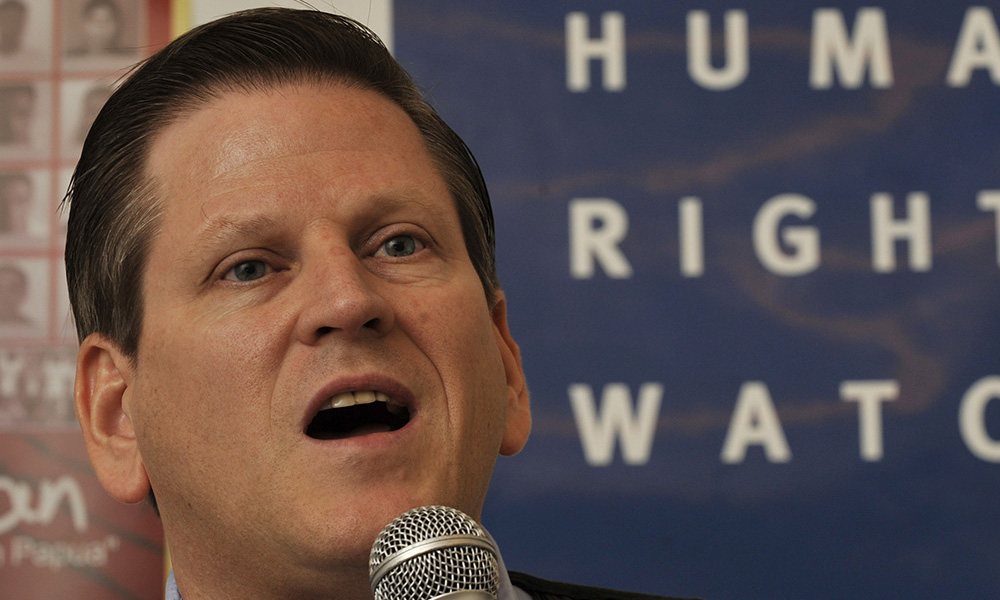
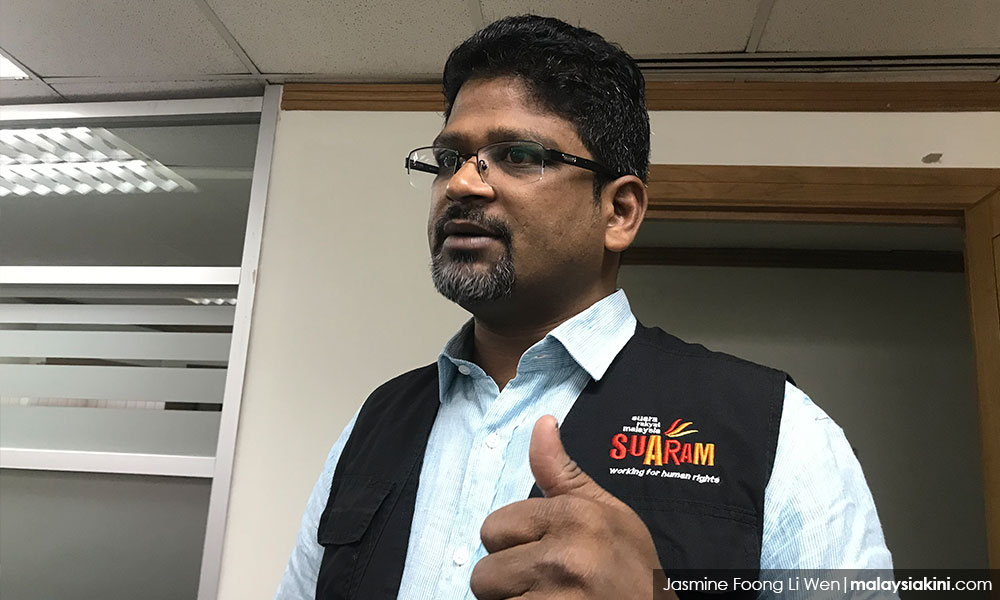
“Like flicking a light switch, Malaysian authorities have returned to rights-abusing practices of the past, calling journalists, activists, and opposition figures into police stations to be questioned about their writing and social media posts,” said HRW deputy Asia director Phil Robertson (above).
Robertson said the government should stop trying to return to the bad old days and revise the laws to meet international standards.
HRW cited the case of journalist Tashny Sukumaran who faced police questioning after she reported on immigration raids in an area under an enhanced movement control order due to the presence of Covid-19.
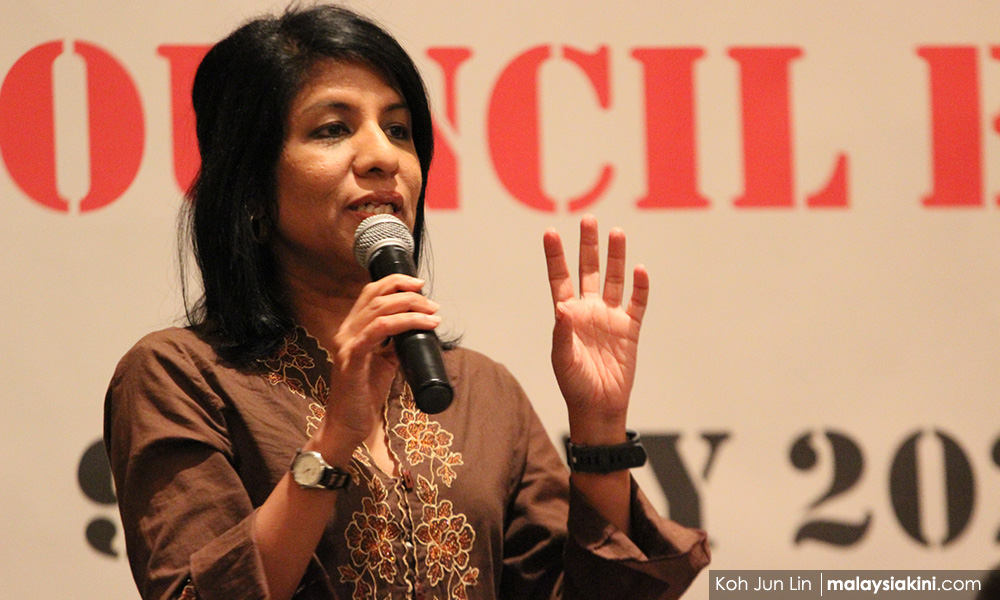
It also highlighted that Cynthia Gabriel (below), the founding director of the Center to Combat Corruption and Cronyism (C4), had been called in for police questioning about a letter calling for an investigation into allegations that the government was trading favours for political support.
Switzerland-based Bruno Manser Fund also called for an end to such investigations.
"We call on the Malaysian police to stop harassing and intimidating civil society groups who are publicly questioning the Muhyiddin government. In particular, it is unacceptable for the police to go after individuals who are merely exercising their freedom of speech. This amounts to a clear abuse of power," it said in a statement today.
Overly broad laws
The HRW also cited several other cases including the summoning of former minister Dr Xavier Jayakumar by the police for questioning after he criticised the government’s decision to limit the recent sitting of Parliament to a speech by the king.
"On June 5, prosecutors charged R Sri Sanjeevan, the head of the Malaysian Crime Watch Task Force, with two counts of violating Section 233(1) of the Communications and Multimedia Act 1998 (CMA) for allegedly posting 'false' information about the police on social media.
"All of the laws cited in these investigations are overly broad and subject to abuse, and all have been used by prior administrations against critical voices," said HRW.
Section 233(1) of the CMA makes it an offence to make an online communication that is "indecent, obscene, false, menacing or offensive in character with intent to annoy, abuse, threaten or harass any person", and carries a penalty of up to one year in jail and RM50,000 fine.
Section 504 of the Penal Code, one of the laws cited in the Tashny investigation, provides for up to two years in prison for anyone who "intentionally insults ... any person, intending or knowing it to be likely that such provocation will cause him to break the public peace".
Section 505(b) of the Penal Code makes it an offence punishable by up to two years in prison to make, publish, or circulate "any statement, rumour or report with intent to cause, or which is likely to cause, fear or alarm to the public, or to any section of the public, whereby any person may be induced to commit an offence against the state or against public tranquillity".
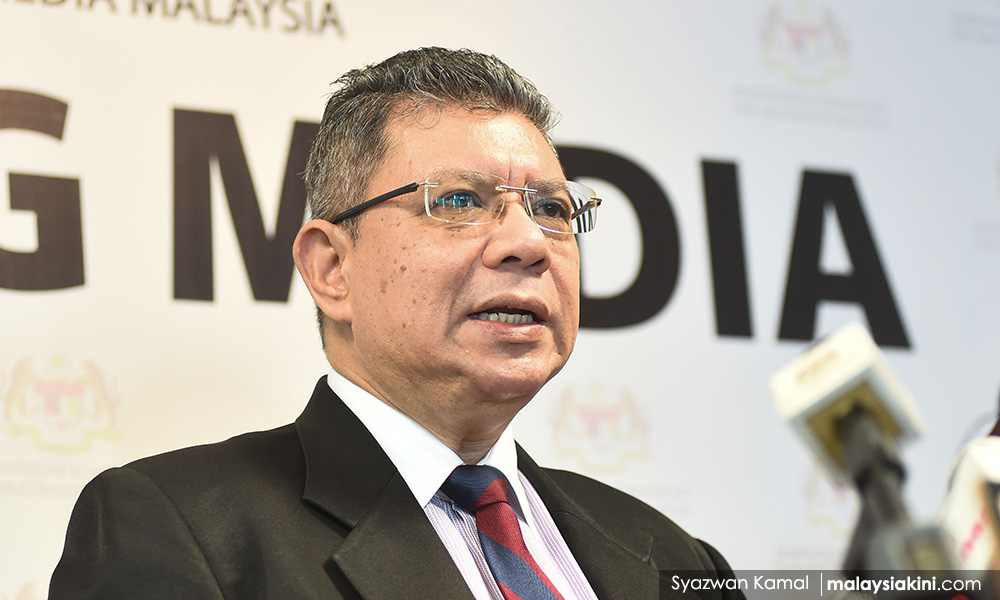
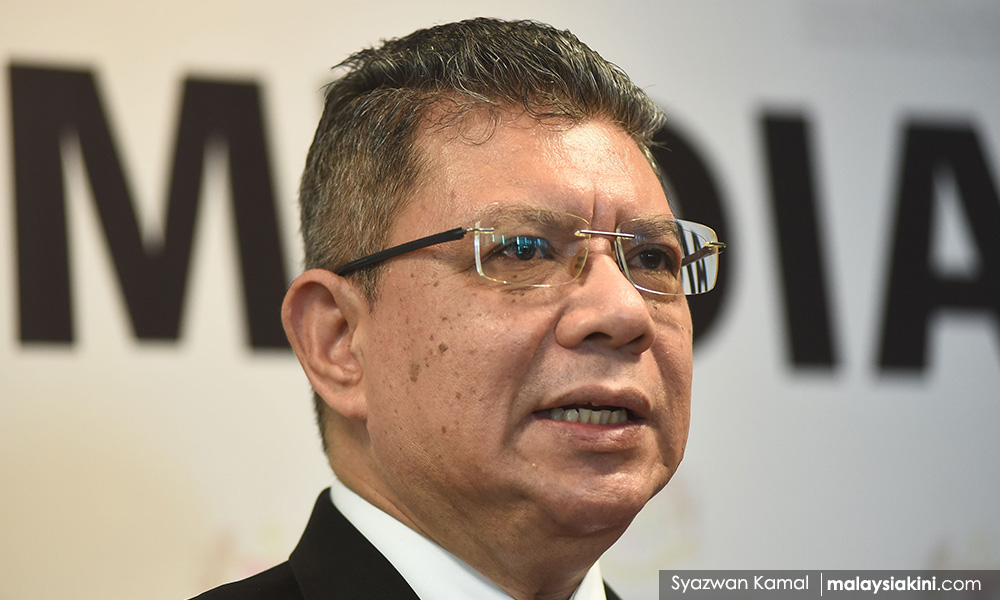
"Minister of Communications and Multimedia Saifuddin Abdullah (photo) responded to Tashny on Twitter on May 3, stating that he had instructed the Malaysian Communications and Multimedia Commission not to charge her. However, neither the minister nor the government has made a commitment to reform the CMA," said the HRW.
'Without fear of facing police questioning'
Under international human rights standards, governments may only impose restrictions on freedom of expression if they are provided by law and are necessary for the respect of the rights or reputations of others, or for the protection of national security, public order, public health, or morals.
Restrictions must be narrowly drawn to limit speech as little as possible, and sufficiently precise that an individual can understand what is made unlawful. None of the laws at issue meets these standards, HRW said.
"Malaysians should be able to criticise their government and its policies without fear of facing police questioning and possible criminal charges.
"Instead of dusting off abusive laws for use against its critics, Prime Minister Muhyiddin Yassin’s administration should amend or repeal those laws to protect everyone’s freedom of speech in Malaysia," Roberson said.



Are you sure you want to delete this comment?
This action cannot be undone.