



M'sia's handling of '97 financial crisis paved way for 1MDB - Anwar
PKR leader Anwar Ibrahim has claimed that Malaysia’s handling of the 1997 Asian financial crisis paved the way for the system which ultimately allowed the 1MDB scandal to occur.
In a lengthy Facebook posting last night, the former finance minister said he did not outrightly accept the International Monetary Fund's (IMF) recommendations and that reforms he proposed were never adopted.
He also denied the popular narrative that he had backed the International Monetary Fund's (IMF) recommendations back then.
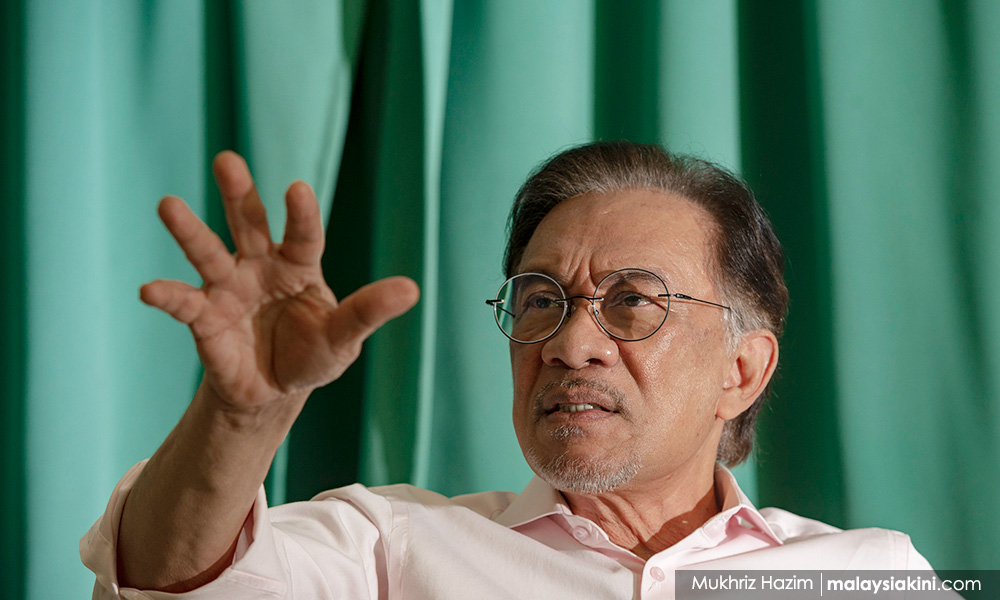
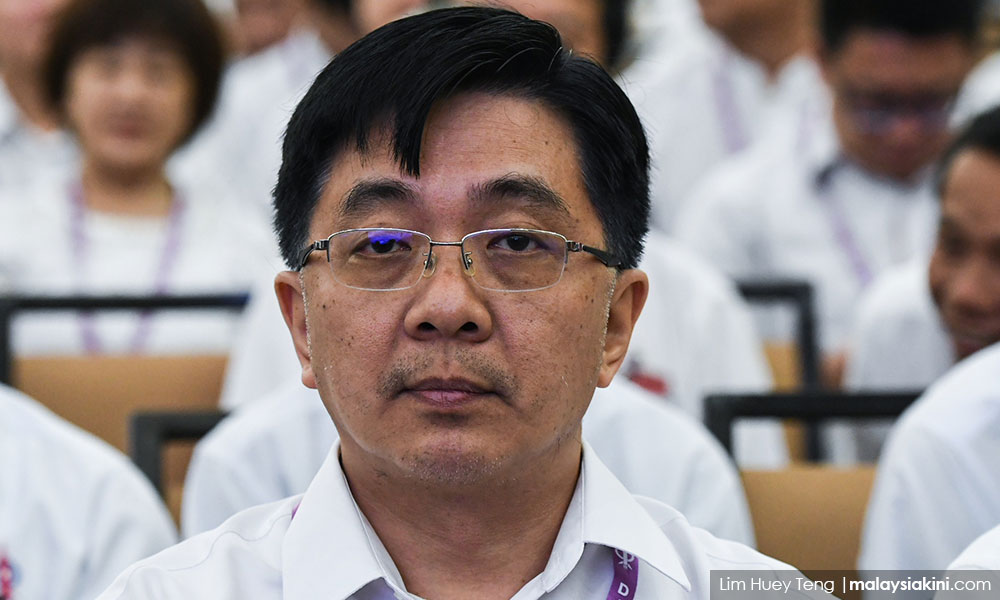
Instead, Anwar (above) alleged that as a senior minister at the time, he...
PKR leader Anwar Ibrahim has claimed that Malaysia’s handling of the 1997 Asian financial crisis paved the way for the system which ultimately allowed the 1MDB scandal to occur.
In a lengthy Facebook posting last night, the former finance minister claimed reforms he proposed were never adopted.
He also denied the popular narrative that he had backed the International Monetary Fund's (IMF) recommendations back then.
Instead, Anwar (above) alleged that as a senior minister at the time, he “did the best he could” in balancing expectation to support the then-prime minister’s position while saying “things which were right, even if they were unpopular”.
The crisis affected many East and Southeast Asian economies from 1997 to 1998, starting with the devaluing of the Thai baht.
At the time of the crisis, Anwar was serving as deputy prime minister and finance minister during Dr Mahathir Mohamad’s first tenure as premier under the BN government. The events took place just prior to the infamous falling out between the two leaders which resulted in Anwar’s sacking from the cabinet and ultimate jailing in 1999.
Anwar’s statement comes despite Mahathir being largely lauded for steering Malaysia out of the economic meltdown in the region at the time by defying the IMF, imposing strict capital controls and pegging the ringgit to the dollar.
Anwar, who is currently Opposition leader, said among the reasons Malaysia’s economy was currently stagnating was due to the "permanent scar left on the economy" as a result of measures taken over two decades ago.
Citing the Boston Consulting Group's Socio-Economic Development Assessment (Seda) from 2009 to 2019, Anwar said Malaysia’s economy appeared to be stagnant in comparison to the performances of other countries such as Indonesia and Vietnam.
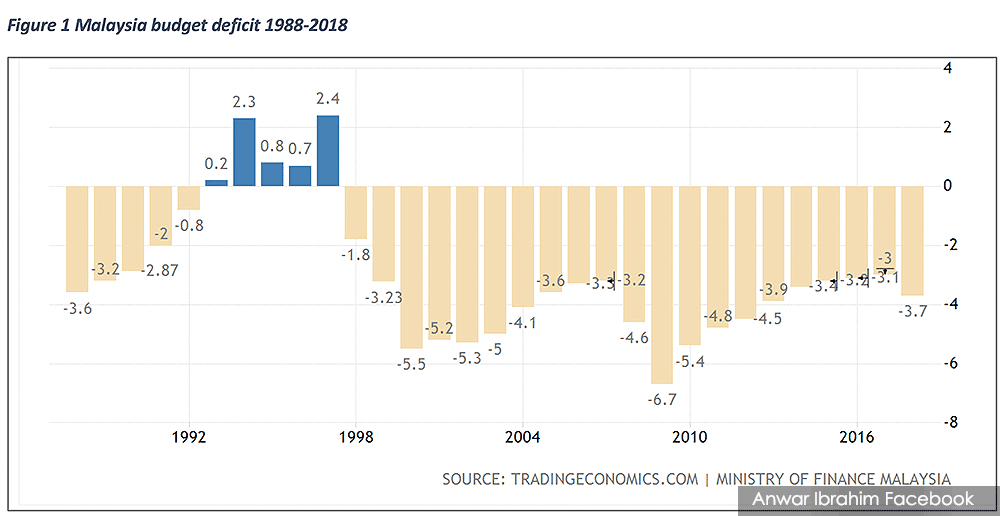
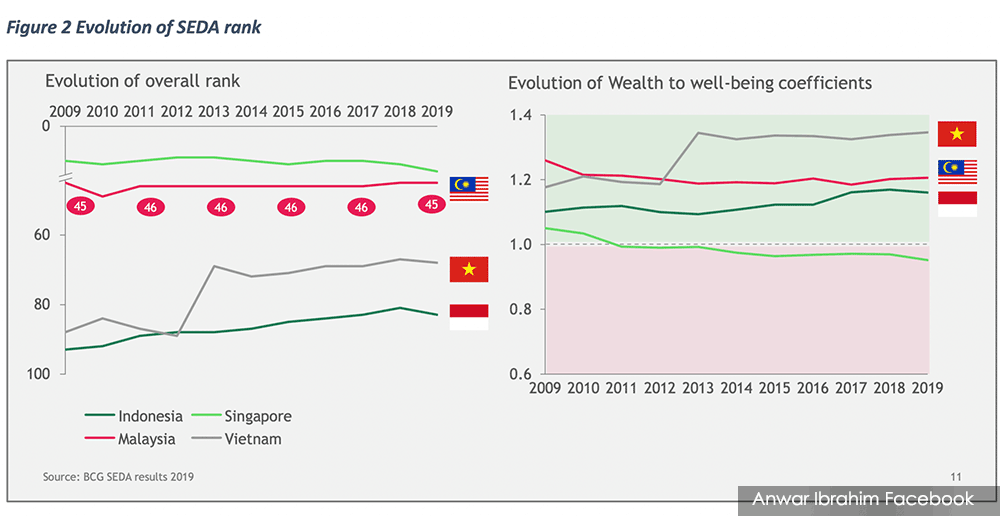
“There are many reasons for this which would require a lengthy analysis. However, I do believe one of the key factors is the permanent scar left on the economy as a result of the measures taken during the 1997 financial crisis.
“In the last five years, there was not a single meeting I attended with economists and investors anywhere in the world in which the 1MDB scandal was not raised... If you ask me how the system allowed 1MDB to happen – I would point us back to 1997.
“Kleptocracy is symptomatic of the failure to adopt structural reforms that prevent and expose abuse of power and corruption,” his post read, which he said were his views shared during a dialogue in Spain on the matter.
Former prime minister Najib Abdul Razak is currently facing a slew of criminal charges in relation to alleged abuse of power and money laundering in the multi-billion ringgit 1MDB scandal.
M'sia faced 'crisis of confidence'
Despite acknowledging that the BN government then implemented measures to contain the economic meltdown, including reserving spending and increasing interest rates to support the ringgit, he said Malaysia failed to effect structural changes to increase transparency and independence of relevant institutions.
“I never accepted the IMF's recommendations outright, despite what has been alleged. What I believed to be correct in the IMF's assessment was that Malaysia faced a crisis of confidence which could only be rectified by real structural changes that increased transparency, accountability and ensured the independence of institutions.
“[...]Ultimately the reforms which I proposed at the time were never adopted, and to this day remain one of the key policies which Pakatan Harapan seeks to implement. Instead, Malaysia took a different course,” he said.
"Yes – Malaysia did recover well in 1999. So, too, did most other countries in the region, none of which imposed controls. But during that critical period, what did the government do to rectify the underlying structural problems? Hardly anything," he added.
However, the PKR chief did not detail the exact nature of his proposals on structural reforms during the crisis.
Training his guns at the administration of the current Perikatan Nasional government, which comprises BN and former Umno leaders, he alleged: “The manner in which the PN government is rolling back reforms and blatantly condoning corruption is planting the seeds for the next ten 1MDBs.
"May God protect Malaysia from that.”
Despite their falling out, Anwar and Mahathir joined forces to take down BN in 2018's GE14. However, the Harapan administration was plagued with uncertainty over the premiership, with speculation that Mahathir, in his second tenure as prime minister, would not honour the pact to hand over the role to Anwar.
The two former rivals are said to have gone back to the negotiation table following Harapan's collapse after Mahathir's new party Bersatu pulled out of the coalition to form the PN government with BN and PAS against the latter's wishes.
This is as Harapan, together with Mahathir's faction and Sabah's Warisan, claim to have the numbers to reclaim Putrajaya.
In a TV interview in March, Mahathir had stated that the ongoing Covid-19 situation is worse than what he had to deal with during that financial crisis back then.
READ MORE:
Absence of check and balance necessitates change before GE15, says Anwar
Anwar 'cautiously confident' of being named PM candidate
'Lazy Malays' and tactical blunders - Anwar reflects on Harapan in power




Are you sure you want to delete this comment?
This action cannot be undone.