


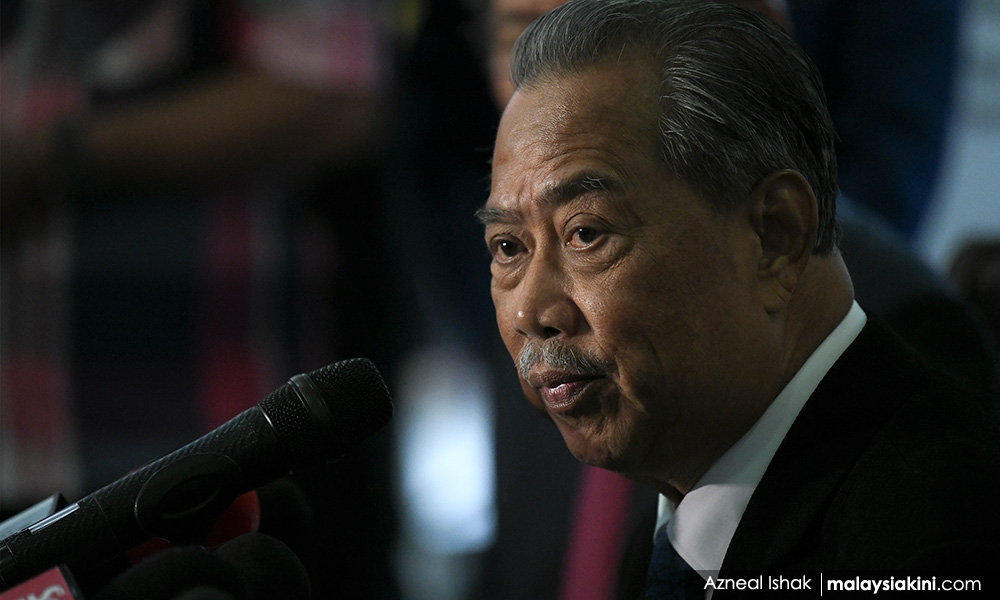

'We hope Muhyiddin remains committed to IPCMC'
Civil societies and NGOs have expressed hope that Prime Minister Muhyiddin Yassin will remain as committed to establishing an Independent Police Complaints and Misconduct Commission (IPCMC) as he was when he was still the home affairs minister under the Pakatan Harapan government.
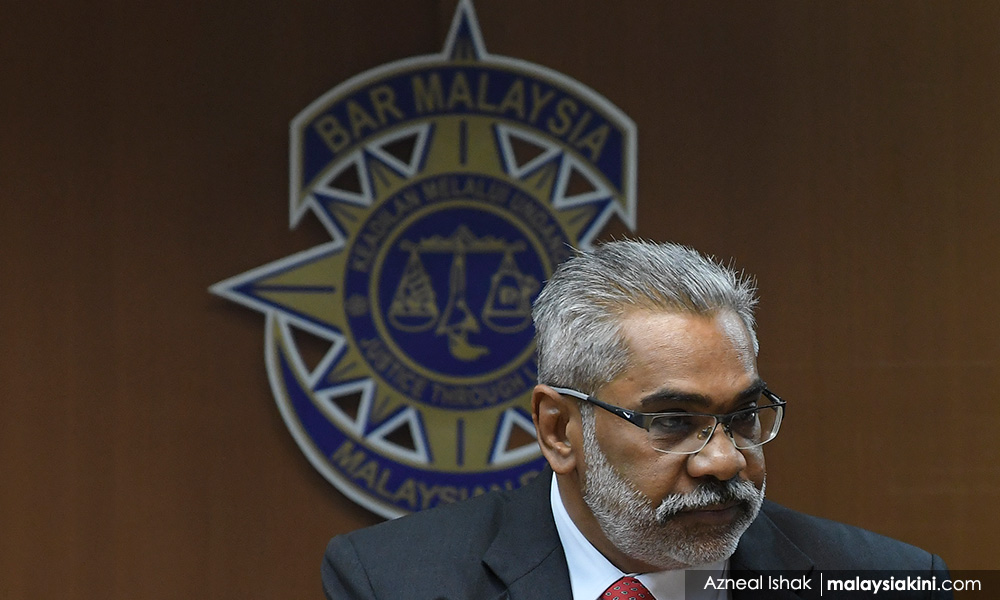
“The prime minister, who was the home minister at that time, had given his commitment that the IPCMC will become reality and we hope that he will keep his word on this,” said Bar Council representative M Ramachelvam.
Civil societies and NGOs have expressed hope that Prime Minister Muhyiddin Yassin will remain as committed to establishing an Independent Police Complaints and Misconduct Commission (IPCMC) as he was when he was still the home affairs minister under the Pakatan Harapan government.
“The prime minister, who was the home minister at that time, had given his commitment that the IPCMC will become reality and we hope that he will keep his word on this,” said Bar Council representative M Ramachelvam.
He was speaking in a forum organised by Amnesty International (AI) Malaysia today on ensuring an effective police commission in the country, which was live-streamed via Facebook.
Other panellists included Eliminating Deaths and Abuse In Custody Together (Edict) representative Rama Ramanathan and Society for the Promotion of Human Rights representative Ivy Josiah.
“In September 2018, then prime minister (Dr Mahathir Mohamad) said yes, we will turn the Enforcement Agency Integrity Commission (EAIC) into the IPCMC.
“The home minister at that time, who is now the prime minister, had said yes we will make sure it is a reality by the end of the year (in 2019),” Josiah said in agreeing with Ramachelvam.
She also pointed out that in February 2004, it was then premier Abdullah Ahmad Badawi who put together a Royal Commission of Inquiry (RCI) to explore police reforms and it was that RCI which eventually proposed 125 recommendations, including the establishment of an IPCMC.
“Two prime ministers have said this is a good idea - Abdullah and Mahathir.
“And Muhyiddin (above) who said it was a good idea when he was the home minister. So three prime ministers have said it, let’s get on with it,” Josiah said.
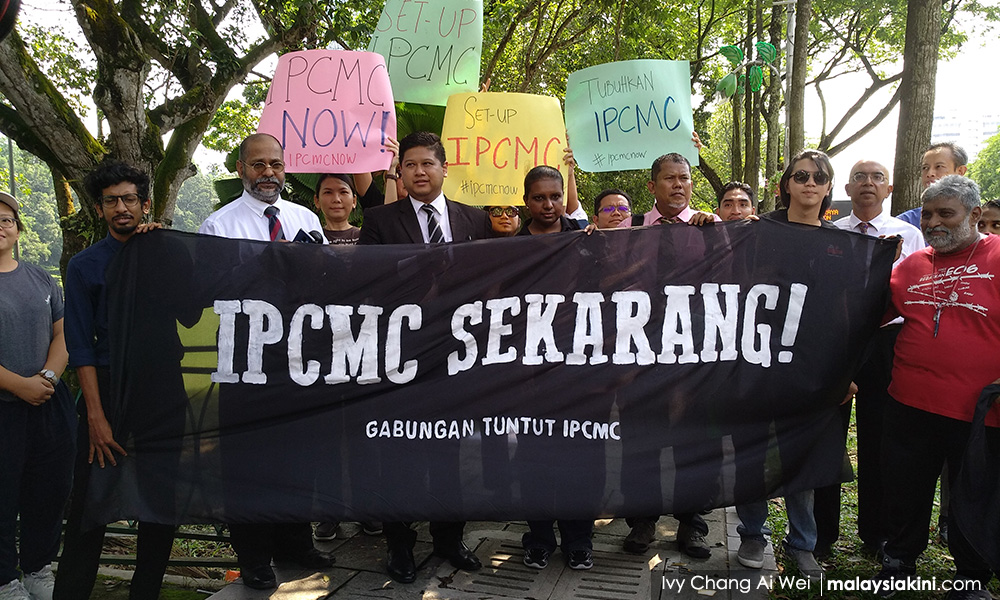
However, when the IPCMC Bill was first tabled in Parliament last year by the Harapan government, BN had urged for the bill to be postponed indefinitely.
The bill was later withdrawn to be refined, but the Harapan government collapsed before it could be tabled for its second and third readings in the Dewan Rakyat.
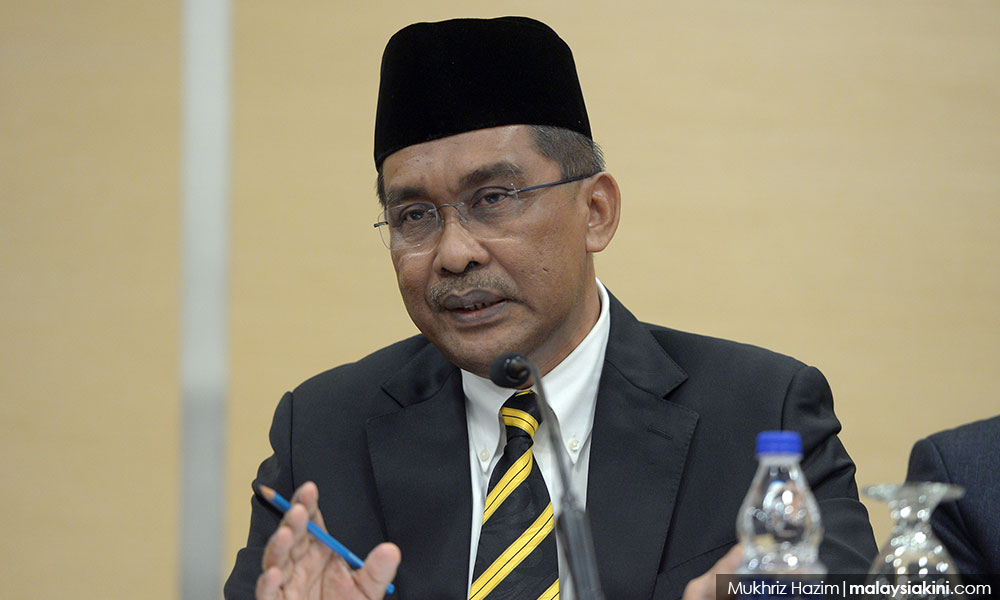
Now, under the Perikatan Nasional (PN) government led by Muhyiddin, de facto law minister Takiyuddin Hassan said the IPCMC Bill will be reviewed once more before the cabinet makes a final decision on it.
During the forum today, Ramachelvam said that in the proposed bill, one of the most important thing is that the commission will be equipped with disciplinary powers.
“None of the models (in other countries) provide the independent police disciplinary or complaints commission with disciplinary powers.
“This will be the first in the world if it is passed, that an independent police commission will have disciplinary powers.
“It will have the whole gamut of powers, from the reduction of badge up to dismissal,” he said.
He noted that this power is balanced out as “things can be taken up to the appeals board or the courts” if required.
Meanwhile, Edict’s Rama (below) said what is sorely needed in this push for the establishment of the IPCMC is more data from the police.
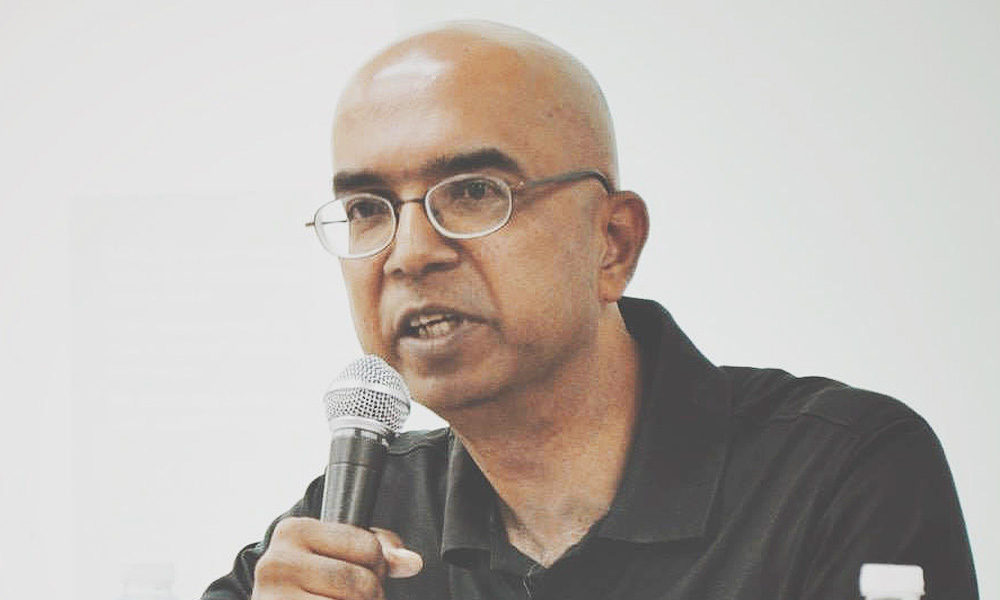
He applauded the police’s internal Integrity and Standards Compliance Department (Jips) for releasing data earlier this year on the number of police who were involved in various offences.
However, he noted that the data still lacked detailed information and that it strikingly said nothing on officers who applied for remands baselessly, those involved in shootings as well as enforced disappearances, among others.
When asked why it has been so difficult to establish an IPCMC, Rama said he believed the police are not receptive to the idea of independent oversight.
“They have cried a lot of crocodile tears. They consider themselves to be a very important determiner of who the next government will be and they are playing their cards.
“So I think there is political fear on the part of the government to do something the police will not accept,” he said.
Rama also lamented the lack of media attention on the various inquests held on custodial deaths, when asked why such issues do not evoke emotional responses from the public.
Josiah said they must consider the media and the public as their allies in the fight to establish an IPCMC.
She pointed to the women’s rights activists who had pushed for the Domestic Violence Act 1994 for years before it was enacted, saying that the media had played a huge role in turning public opinion in their favour.
“The media ran stories, not a one-off story, but there were regular columns calling for the need for a Domestic Violence Act.
“I am calling to the media now that they need to run stories on the people who have lost their lives… why an independent police commission will work for them and why it will help the police.
“The media can change people’s attitudes. Today, when I look back at domestic violence, if anybody were to say it is all right, there will be a public outcry,” she added.
As such, she said they need to approach the IPCMC issue as a public and voters’ issue.
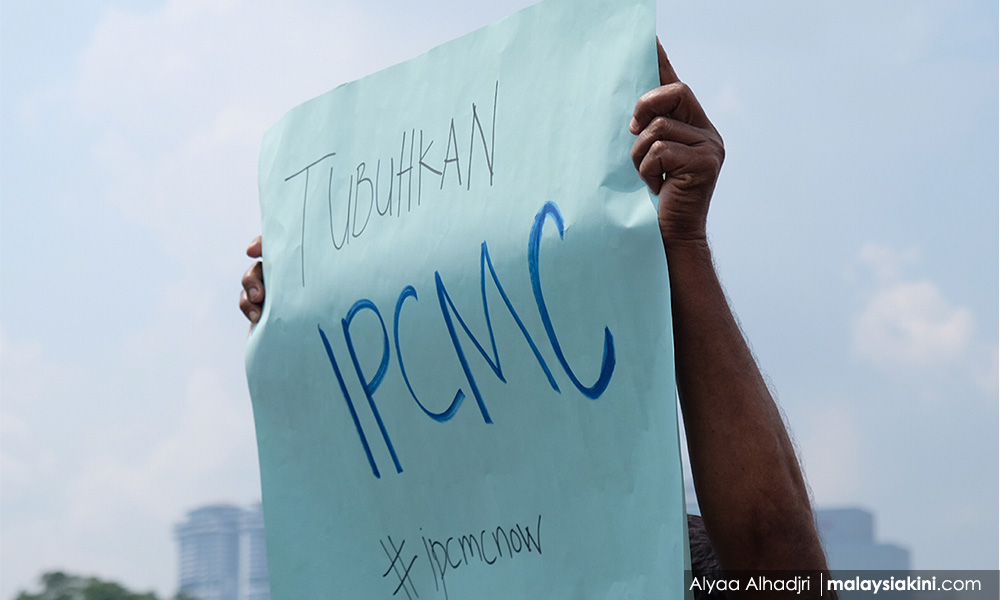
“I think policymakers will listen. People in power normally listen to voters. They do change their minds if they think this is what voters want.
“Hopefully, with a lot of voters calling for the establishment of the IPCMC, then the people in power, whoever the cabinet is, they will listen and they will respond to what the public wants,” she said.
The objective of the commission is to promote integrity within the police force, investigate complaints of misconduct against the police and formulate mechanisms to detect, investigate and prevent misconduct.
It is also to advise the government on appropriate action to be taken – including formulating legislation – to promote integrity within the force.



Report this comment
Are you sure you want to delete this comment?
This action cannot be undone.