




Covid-19 tracker in migrant languages
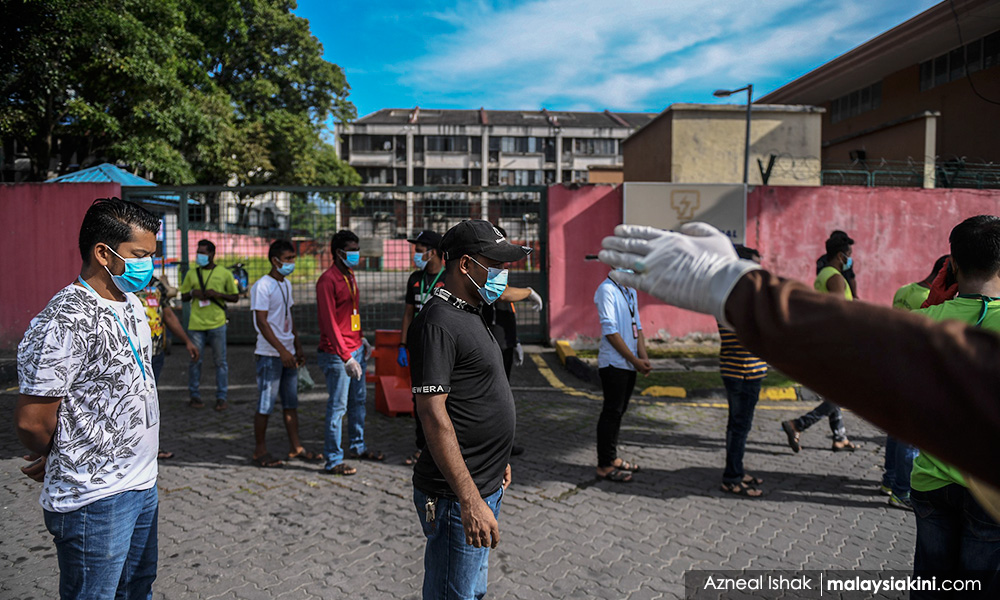
CORONAVIRUS | In a bid to help curb the Covid-19 outbreak among migrant communities, Malaysiakini this week launched Burmese, Nepalese and Bengali versions of its successful Covid-19 tracker page.
The Covid-19 tracker page was first launched in English on March 10 and has been viewed 27 million times since then. It is also available in Bahasa Malaysia and Chinese...
CORONAVIRUS | In a bid to help curb the Covid-19 outbreak among migrant communities, Malaysiakini this week launched Burmese, Nepalese and Bengali versions of its successful Covid-19 tracker page.
The Covid-19 tracker page was first launched in English on March 10 and has been viewed 27 million times since then. It is also available in Bahasa Malaysia and Chinese.
The page, which captures the bigger picture of the outbreak in Malaysia, also includes information regarding the movement control order, how to avoid infection and how to seek assistance if needed. It also includes locations in which cases have been detected.
The Burmese, Nepalese and Bengali versions also include selected Malaysiakini articles relevant to the respective communities, translated into those languages.
The Burmese, Nepalese and Bengali versions were envisioned following a growth in cases involving foreign nationals in Malaysia - mostly among migrant workers - starting late April.
However, despite the concentration of cases among these communities, information was not available for them in their respective languages. The majority of these workers do not read English or Bahasa Malaysia.
Burmese, Nepali and Bangladeshi workers make up the largest communities of migrant workers after Indonesian workers, who are able to access information in Bahasa Malaysia.
Besides workers, the page would also serve refugee communities who are Bengali or Burmese speakers.
As such, information on how refugees can get screened for free with medical NGO Mercy Malaysia is also included in the Nepali, Burmese and Bengali pages
The project by Kini News Lab is partly supported by Deutsche Welle Akademie.
No mass testing for migrant workers
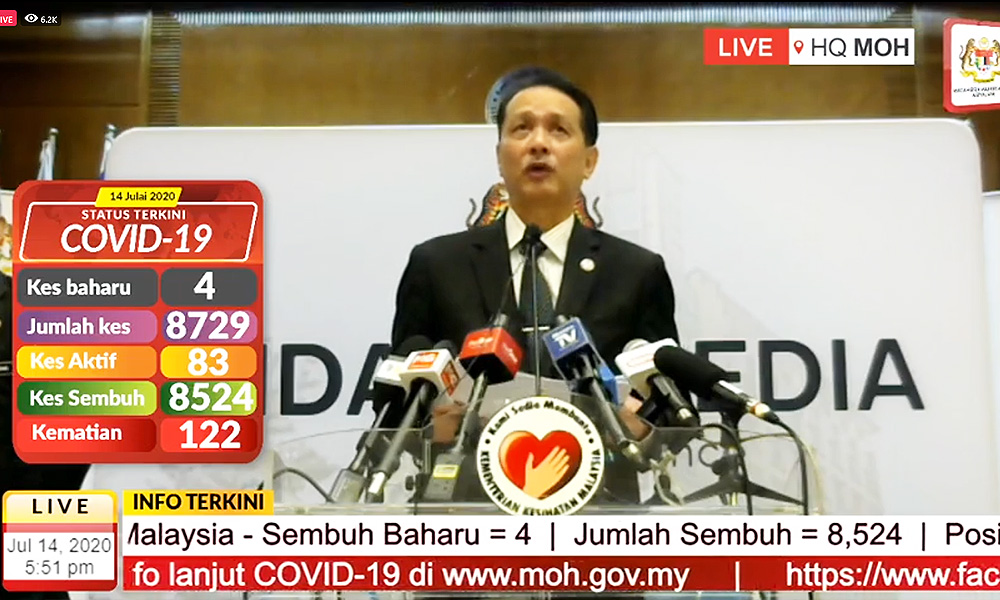
As of July 13, some 2,590 non-Malaysians have been confirmed positive for coronavirus and treated in Malaysia, while five have died. An overwhelming majority have recovered.
There are an estimated two million documented migrant workers in Malaysia, but the World Bank estimates the actual figure could be double that, once the undocumented migrant workers are included.

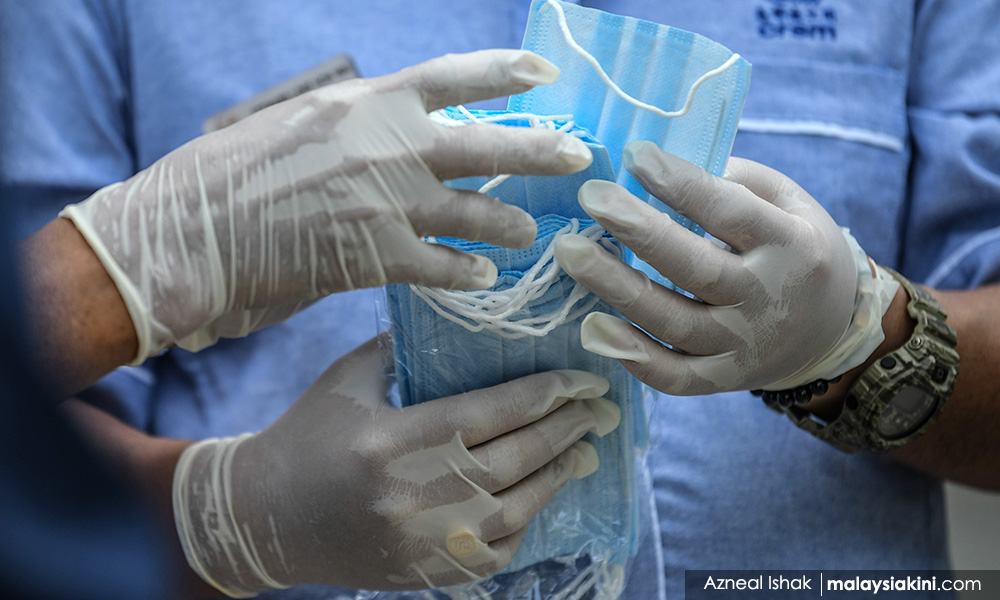
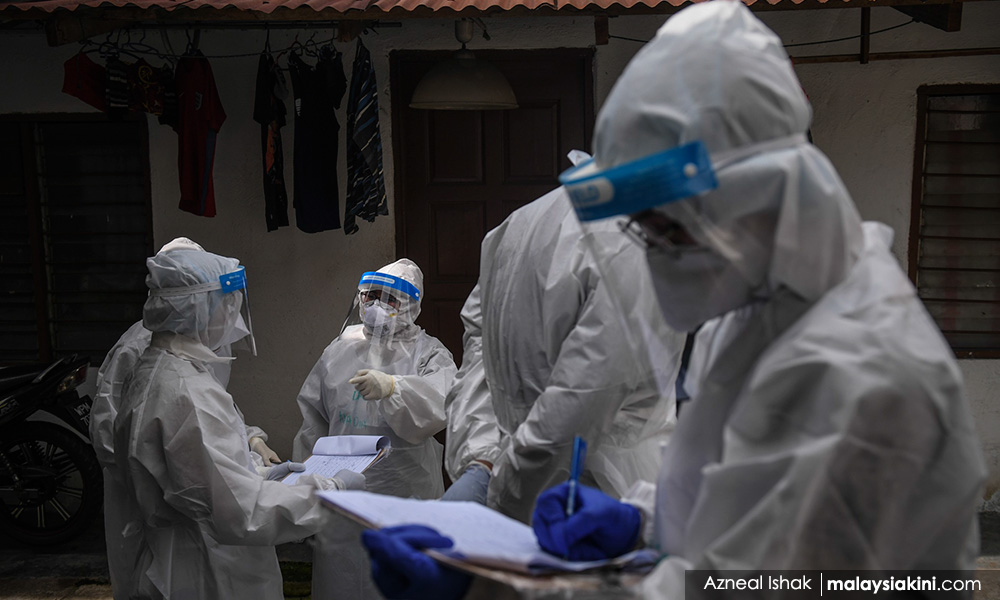
There is no mass testing targeting migrant workers as a whole, but the Health Ministry conducts screening on market workers, many of whom are foreign nationals, immigration detainees in selected depots and in various hotspots where a spike in cases have been found.
They include the Masjid India area, where most of those tested were foreigners, a poultry factory in Pedas which employs mostly Nepali workers and several cleaning companies employing Bangladeshi workers.
Construction workers, many of whom are also foreigners, must also undergo screening before resuming work. The same applies to barbers.
As a result, clusters have been detected among foreign workers in these industries.
The Health Ministry said the clusters among foreign workers are among others caused by cramped living conditions or contact with infected Malaysians.



Report this comment
Are you sure you want to delete this comment?
This action cannot be undone.