
Authorities urged not to cane asylum seekers
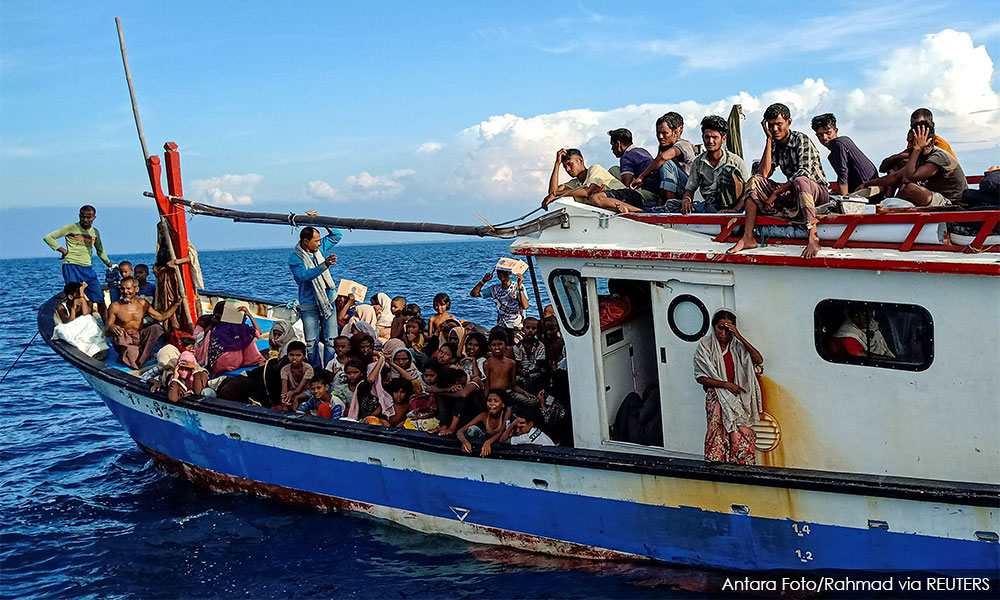
Human rights group Amnesty International has urged authorities not to carry out a caning sentence against a group of at least 20 Rohingya refugees.
The NGO said Malaysia had sentenced a group of 31 Rohingya men to seven months imprisonment for immigration offences last month, and at least 20 of them were also ordered to receive three strokes of the cane.
Human rights group Amnesty International has urged authorities not to carry out a caning sentence against a group of at least 20 Rohingya refugees.
The NGO said Malaysia had sentenced a group of 31 Rohingya men to seven months imprisonment for immigration offences last month, and at least 20 of them were also ordered to receive three strokes of the cane.
The corporal punishment is expected to be carried out “in the coming days”, but Amnesty International argued it is inhumane to punish them for simply trying to seek safety.
“The plan to viciously beat Rohingya refugees is not only cruel and inhuman – it’s unlawful under international standards. To inflict such a violent punishment as judicial caning amounts to torture.
“The men who face violent lashings on top of jail terms have already fled persecution and crimes against humanity in Myanmar. They also survived a dangerous journey at sea to Malaysia in search of safety.
“The inhumanity of this approach is atrocious,” said the UK-based NGO’s Malaysia researcher Rachel Chhoa-Howard in a statement today.
The group noted that the courts have the power to strike out the caning sentence, and also urged Malaysia to release all Rohingya refugees who are being held in custody.
It said entering a country “irregularly” should never be considered a criminal offence.
“Under international human rights law, the criminalisation of irregular migration exceeds the legitimate interests of states in regulating migration to their territories.
“Furthermore, every person - regardless of their migration status - has the right to liberty, and no one shall be subjected to arbitrary arrest or detention.
“In any case, children should never be detained for immigration reasons under any circumstances, as it is never in their best interests,” it said.
For the record, Malaysia is not a signatory to the UN Convention Relating to the Status of Refugees. It does not recognise the status of refugees, who are legally considered the same as other types of undocumented migrants.
However, Malaysia does allow some refugees to remain temporarily in the country on a case-to-case basis, pending resettlement by the United Nations High Commissioner for Refugees to another country.