



DBKL urged to preserve Kwangtung Cemetery as city poises to expand
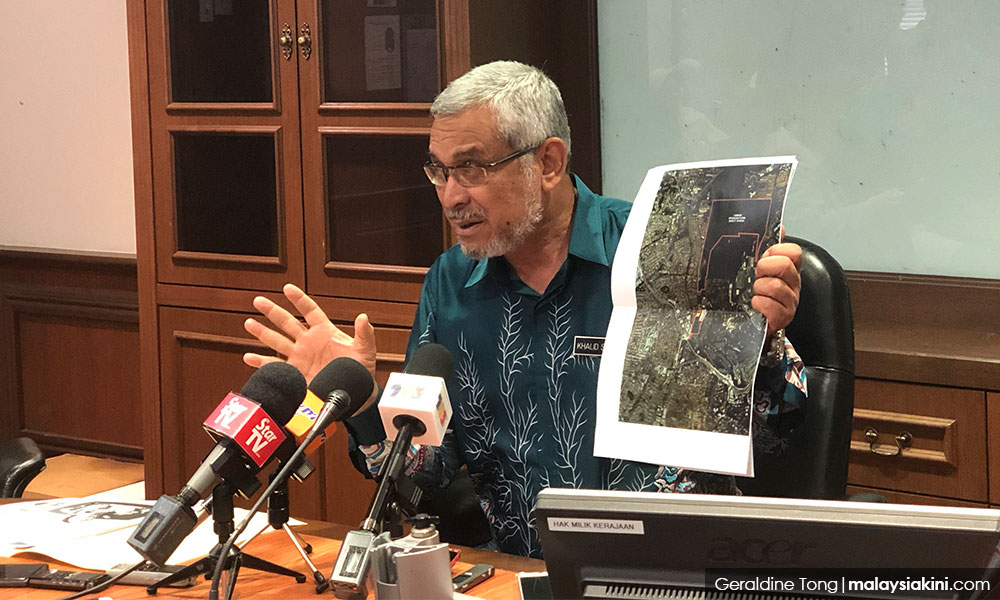
Cheras MP Tan Kok Wai urged the Kuala Lumpur City Hall (DBKL) to preserve Kwangtung Cemetery's heritage site status as the city looked to expand the city limits.
"The cemetery could be included within the central business district, but we ask the government to promise that the area will never be affected or developed, except to beautify or improve its infrastructure.
“We hope the DBKL will state it in black-and-white, when it gazettes the 2040 Structure Plan on Jan 1 next year,” Tan said after a public hearing at DBKL's headquarters yesterday...
Cheras MP Tan Kok Wai urged the Kuala Lumpur City Hall (DBKL) to preserve Kwangtung Cemetery's heritage site status as the city looked to expand the city limits.
"The cemetery could be included within the central business district, but we ask the government to promise that the area will never be affected or developed, except to beautify or improve its infrastructure.
“We hope the DBKL will state it in black-and-white, when it gazettes the 2040 Structure Plan on January 1 next year,” Tan said after a public hearing at DBKL's headquarters yesterday.
Tan hoped the government will not only preserve the Kwangtung Cemetery but also the surrounding cemeteries and crematoriums, such as the Hokkien Cemetery, Kwangsi Cemetery, the Sikh and Hindu crematories, and the Sinhala Buddhist Cemetery.
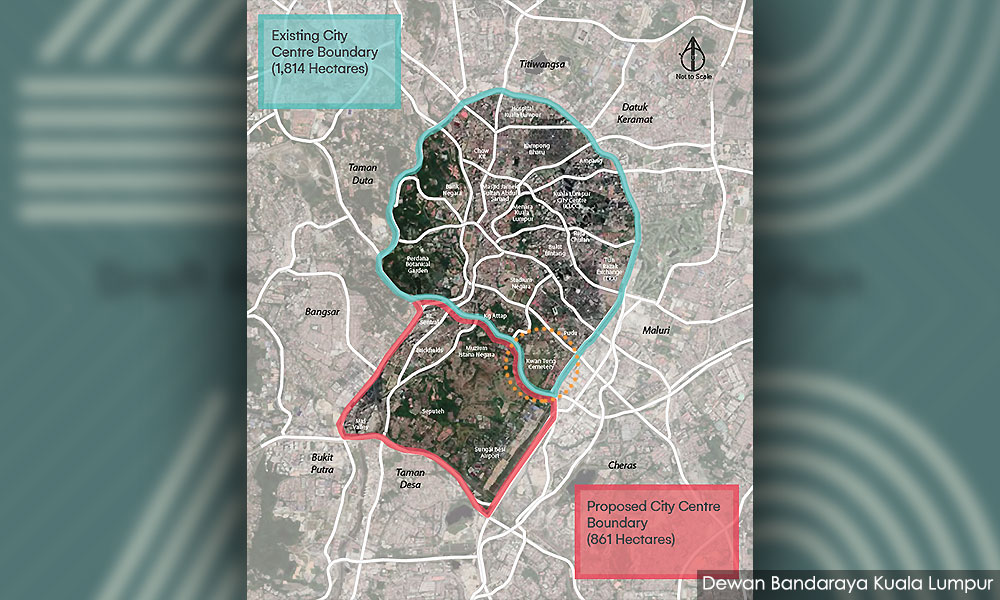
Under the Draft Kuala Lumpur Structure Plan 2040 that was launched in February, the DBKL proposed to expand the 1,814-hectare Central Business District (CBD) by another 861ha.
The present CBD boundary already covers a portion of the Kwangtung Cemetery, but the expansion would see the entire cemetery and surrounding cemeteries come within city limits.
'Show final draft before gazetting plans'
A public hearing was convened yesterday by a panel appointed under the Federal Territory (Planning) Act 1982 to gather public feedback and make recommendations on the draft structure plan, but it has no power to make decisions on the plan.
The panel pointed out that the cemetery is already a heritage site and would not be affected by commercial activities, but this failed to allay Tan's concerns that the heritage status could be revoked one day.
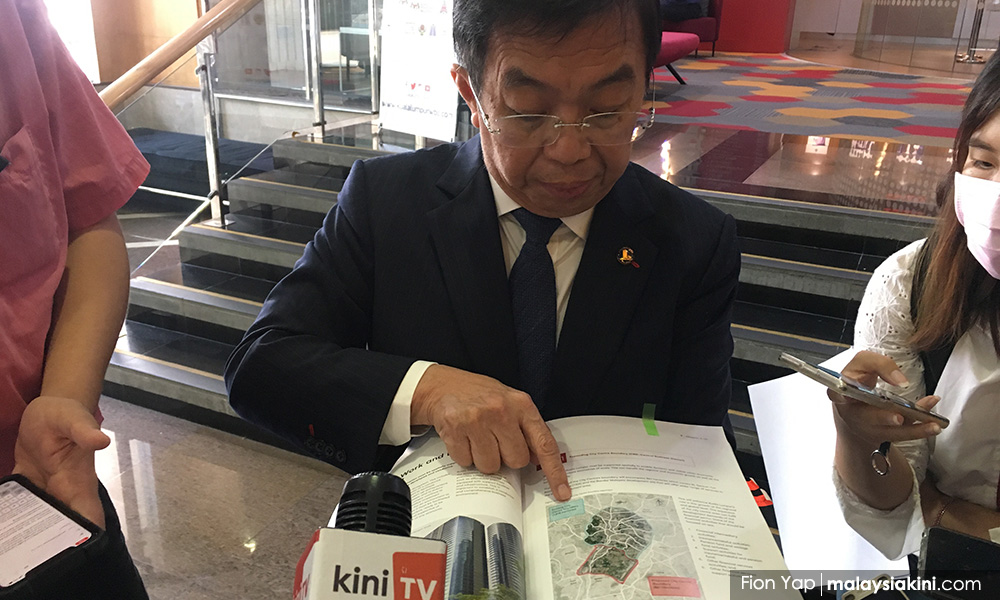
Therefore, Tan (above) said, the nine Pakatan Harapan MPs in the Federal Territory of Kuala Lumpur would ask DBKL to present the final draft of the structure plan before it is gazetted.
“We would like to understand what would be changed before the draft is gazetted. Otherwise, it would be too late to know.”
He stressed that the Kwangtung Cemetery has existed since before Malaysia's independence and has witnessed Kuala Lumpur's transformation from a small village to a metropolitan city.
The government, therefore, has a responsibility to preserve the cemetery as a historical site and ensure it would not be lost to time, Tan added.
From cemetery to a cultural centre
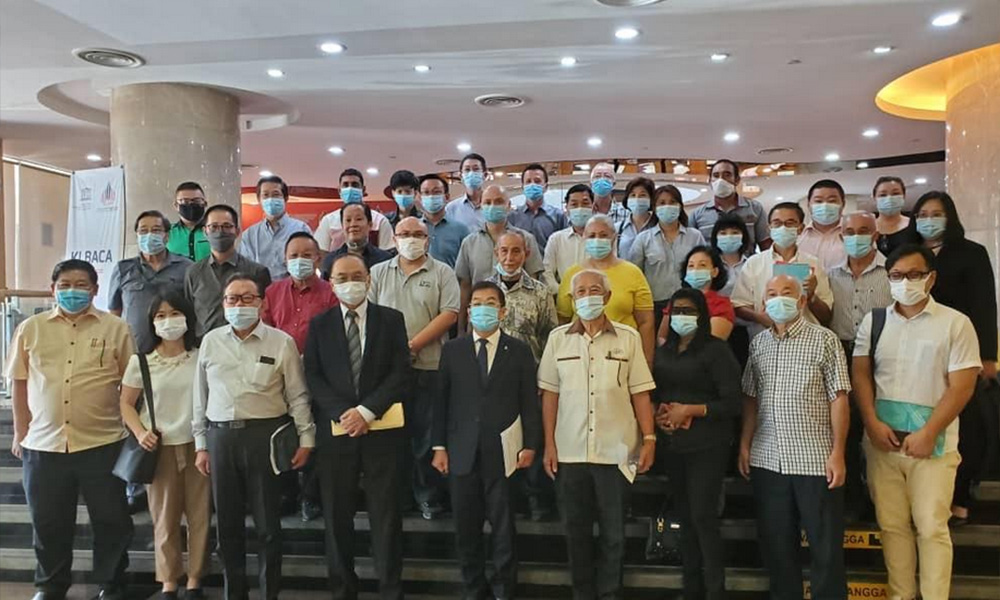
Also present at yesterday's public hearing were 50 representatives from civil society groups in Cheras, along with Bukit Bintang MP Fong Kui Lun and Kwangtung Cemetery president Lee Chun Kong.
Lee told reporters that he has invited authorities to visit the cemetery evaluate its cultural and historical value.
He also suggested that the authorities should not only safeguard the cemetery’s heritage status, but also allocate a budget and work with the management team to turn it into a tourist site or cultural centre.
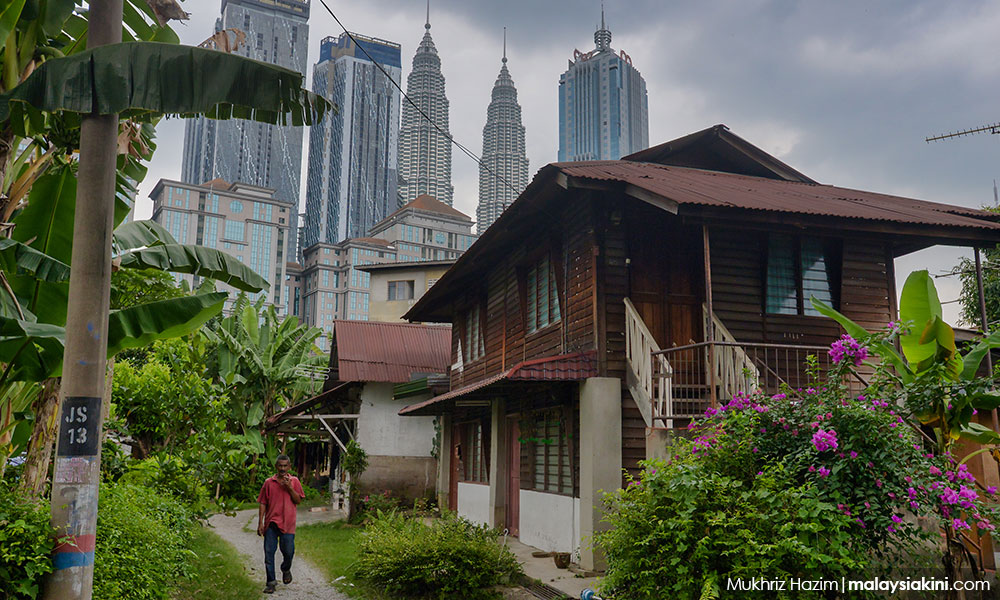
Many prominent figures who played a significant role in Kuala Lumpur's development have been buried at the cemetery, he said, including Kapitan Yap Ah Loy and the tycoon Chan Sow Lin.
“We also have the World War II Memorial Peace Park. Every year on August 15, an event would be held to commemorate the surrender of the Japanese,” Lee said.
Plans for Unesco recognition
The Kwangtung Cemetery is one of the largest and oldest cemeteries on Bukit Petaling, Kuala Lumpur.
Concerned by its inclusion in the city's expansion plans, Lee said the cemetery's management committee is revisiting plans to apply for its recognition as a world heritage site by the United Nations Educational, Scientific and Cultural Organization.
He said the committee had tried to apply for Unesco World Heritage Site status several years ago, but stopped the process when the National Heritage Department recognised the cemetery's heritage status.
In the 1990s and around 2000, the cemetery was threatened with relocation to clear the way for redevelopment, but the plan was scrapped due to protests by civil society groups and political leaders.
Tan also presented a 13-point memorandum to DBKL during the public hearing yesterday, which was signed by 93 NGOs from Cheras.
It included suggestions for Kuala Lumpur's development for the next two decades, including to relocate cement batching plants from the Chan Sow Lin area, and objections to plans impose a congestion charge on vehicles entering the city.


Are you sure you want to delete this comment?
This action cannot be undone.