



'Sudden invocation of Finas permit against Al Jazeera will affect other media'
The government's statement that Al Jazeera's recent documentary on migrant workers requires permission from the National Film Development Corporation (Finas) is "alarming" as it has far-reaching consequences on other media organisations, said the Foreign Correspondents Club of Malaysia (FCCM).
"While we respect the laws of the land and the discretion of the authorities to investigate any alleged breaches, we are concerned with this development given that media in Malaysia has been allowed to operate and perform coverage of events within the bounds of accreditation set by the Information Department and the law.
"Various news documentaries have been produced by and aired on television channels both local - including state media - and foreign, without this issue ever...
The government's statement that Al Jazeera's recent documentary on migrant workers requires permission from the National Film Development Corporation (Finas) is "alarming" as it has far-reaching consequences on other media organisations, said the Foreign Correspondents Club of Malaysia (FCCM).
"While we respect the laws of the land and the discretion of the authorities to investigate any alleged breaches, we are concerned with this development given that media in Malaysia has been allowed to operate and perform coverage of events within the bounds of accreditation set by the Information Department and the law.
"Various news documentaries have been produced by and aired on television channels both local - including state media - and foreign, without this issue ever cropping up before.
"That the matter has now escalated into criminal investigations is alarming given the wide swathe of news workers that have made video productions in the past," it said in a statement today.
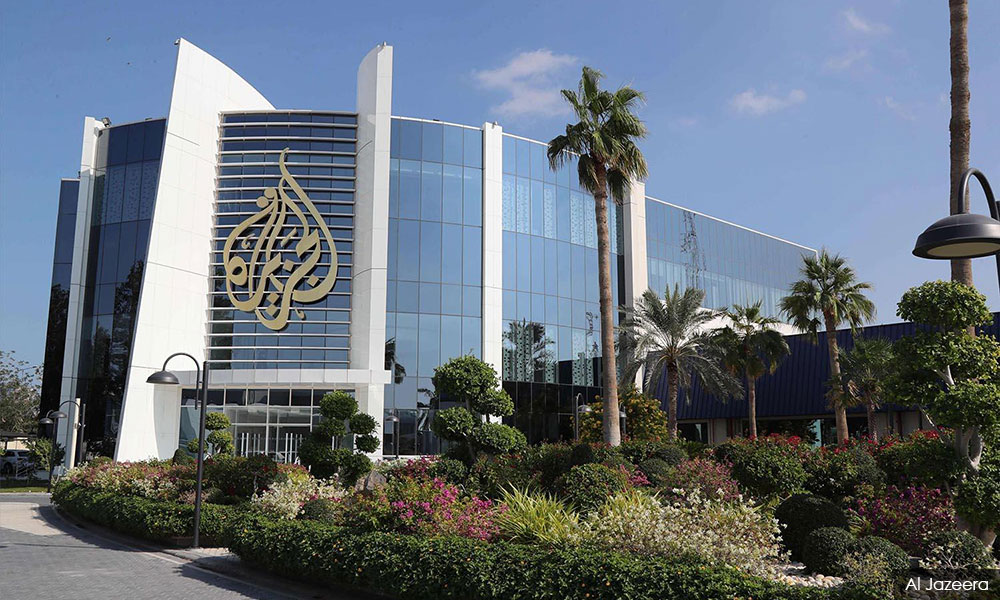
The documentary "Locked Up in Malaysia's Lockdown" by Al Jazeera, a Qatar-based news channel, had highlighted what it claimed was discriminatory practices against migrants during the Covid-19 pandemic.
This had angered Putrajaya, which claimed the documentary was biased. Police had since questioned journalists involved in the documentary while the Immigration Department is pursuing migrants interviewed in the report.
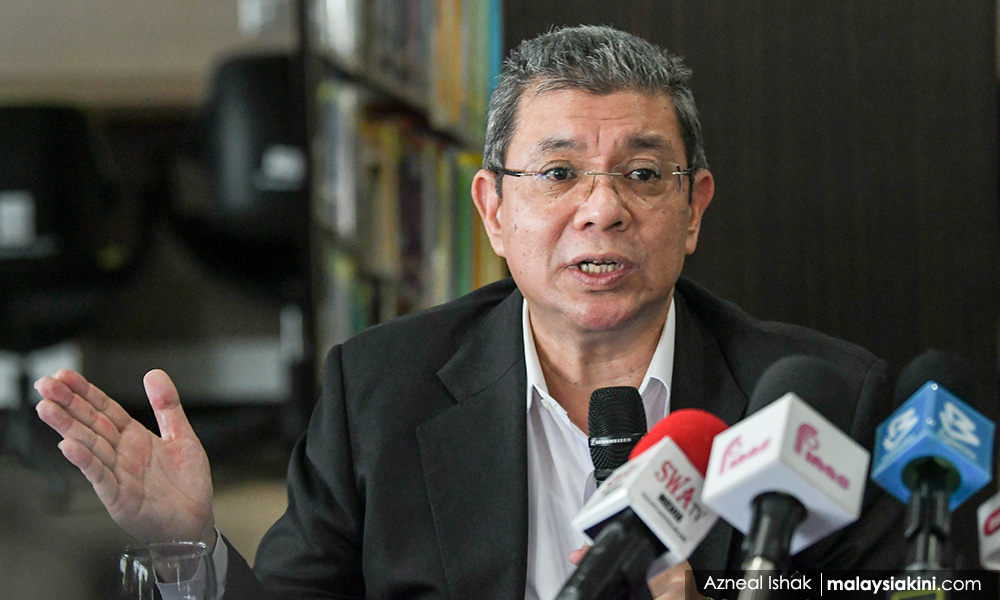
Subsequently, the Communications and Multimedia Minister Saifuddin Abdullah (photo) also said his ministry was also investigating whether Al Jazeera obtained a film production licence from Finas to produce the documentary.
The FCCM said until the incident with Al Jazeera, it was not aware of the need to obtain permission from Finas for a news video production, regardless whether it is termed as a documentary or not.
"Such material broadcast on news channels have not previously needed any clearance from Finas, be they for foreign or local news agencies," he said.
FCCM said it has written to Saifuddin to clarify the matter as the move against Al Jazeera will also affect other media organisations.
"The FCCM has written to the minister to clarify if members of the media and employees of the foreign (or any) press corps are now bound by rules and regulations that apply to film and documentary makers, as such an action would have far-reaching consequences.
"We have also expressed our willingness to engage in dialogue over this and other matters concerning the press that have become matters of widespread public interest of late," he said.
FCCM said it hopes that the government, in the words of Saifuddin during World Press Freedom Day in May, continues to believe that it has a duty to uphold freedom for the press.
Yesterday, legal experts weighing in the matter also said the government's action against Al Jazeera, which expands the film production licence beyond the scope of conventional filmmakers, would open a floodgate.
This is because an interpretation of the law in a literal sense would mean even YouTube and TikTok videos will require a permit from the government before they can be produced.





FCCM should be getting their own lawyer to examine the law to see whether the government interpretation is correct. It does not sound like the government is on solid ground. If true it will be a serious infringement on freedom of speech and parliament must correct it
Are you sure you want to delete this comment?
This action cannot be undone.