


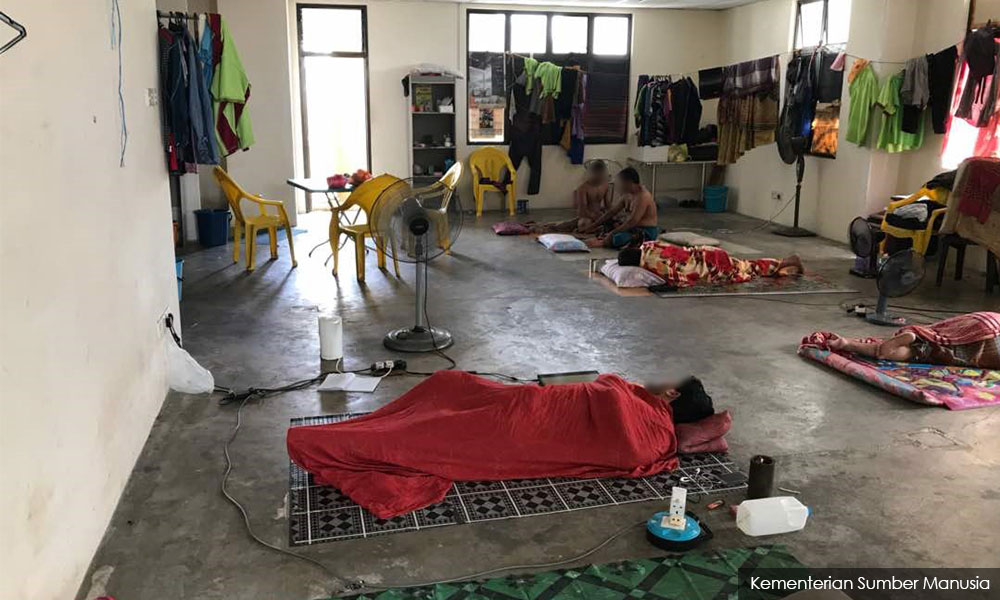

Cramped living is a 'forced labour' indicator, activist tells HR Minister
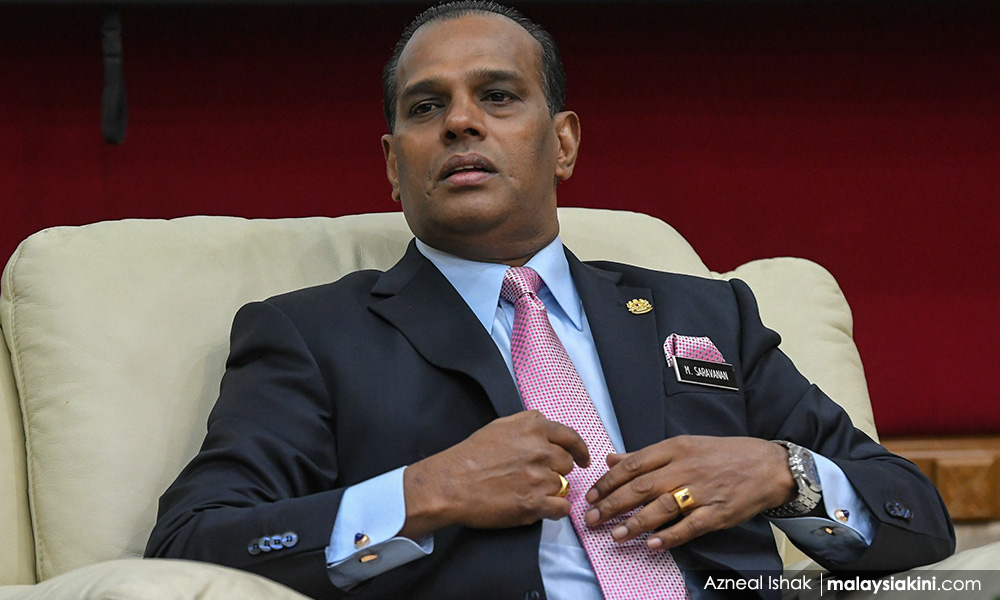
A trade union activist who previously spoke out on allegations of forced labour by Top Glove has refuted a statement by Human Resource Minister M Saravanan who called the allegations baseless.
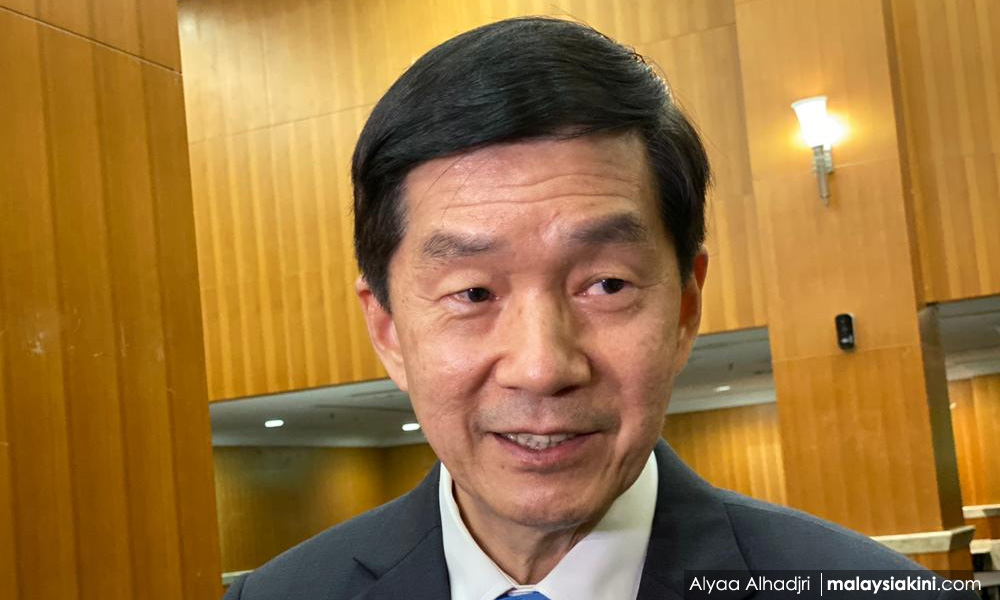
When contacted, Labour Law Reform Coalition (LLRC) chairperson N Gopalkishnam maintained that cramped living conditions were an indicator of forced labour.
"Contrary to the minister's statement...
A trade union activist who previously spoke out on allegations of forced labour by Top Glove has refuted a statement by Human Resource Minister M Saravanan who called the allegations baseless.
When contacted, Labour Law Reform Coalition (LLRC) chairperson N Gopalkishnam maintained that cramped living conditions were an indicator of forced labour.
"Contrary to the minister's statement, (poor) worker living conditions is an element of forced labour," he told Malaysiakini.
"The minister, as well as his officials assisting him in the (investigation) process, must relook Convention 29 1930 of the International Labour Organisation," said Gopalkishnam in reference to the provisions on forced labour.
Gopalkishnam, who is also National Union of Transport Equipment and Allied Workers general secretary, said that in the current movement control order (MCO) period, the Convention would apply to cramped living conditions that hinder social distancing.
Following a meeting with Top Glove officials and other rubber glove industry players, Saravanan yesterday said a Labour Department investigation found most of the allegations to be baseless.
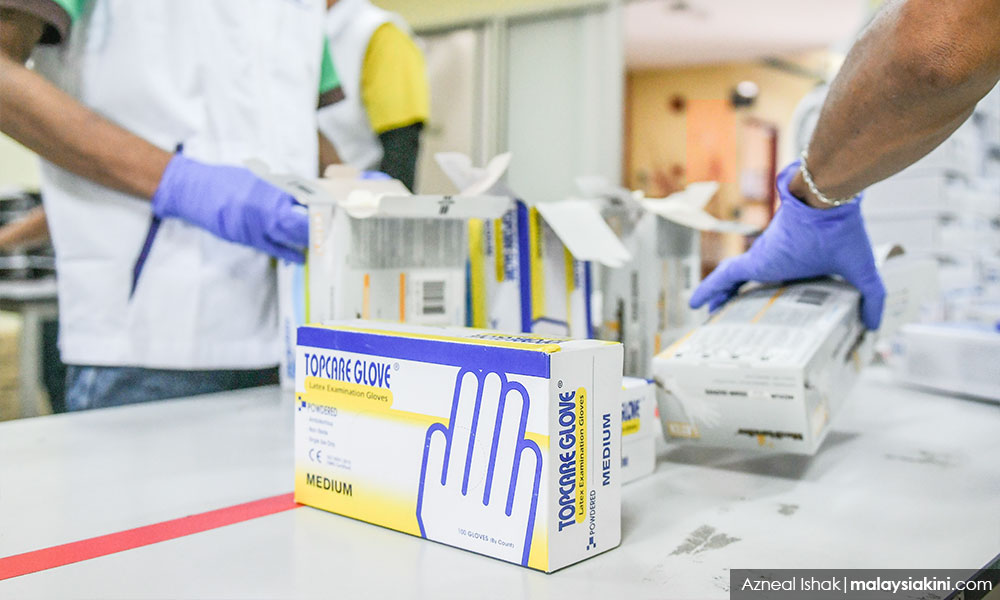
In a separate statement yesterday, the ministry said Top Glove's headquarters in Meru, Klang, was raided by enforcers on July 13 but the world's largest glove manufacturer was cleared of forced labour allegations.
The ministry, however, revealed that the glove manufacturer was found to have breached MCO rules as well as providing cramped quarters for foreign staff.
North-South Initiative executive director Adrian Pereira (below), whose area of focus includes migrant and labour rights, said it would take more than a day's raid or visit to reveal forced labour elements within an operation.
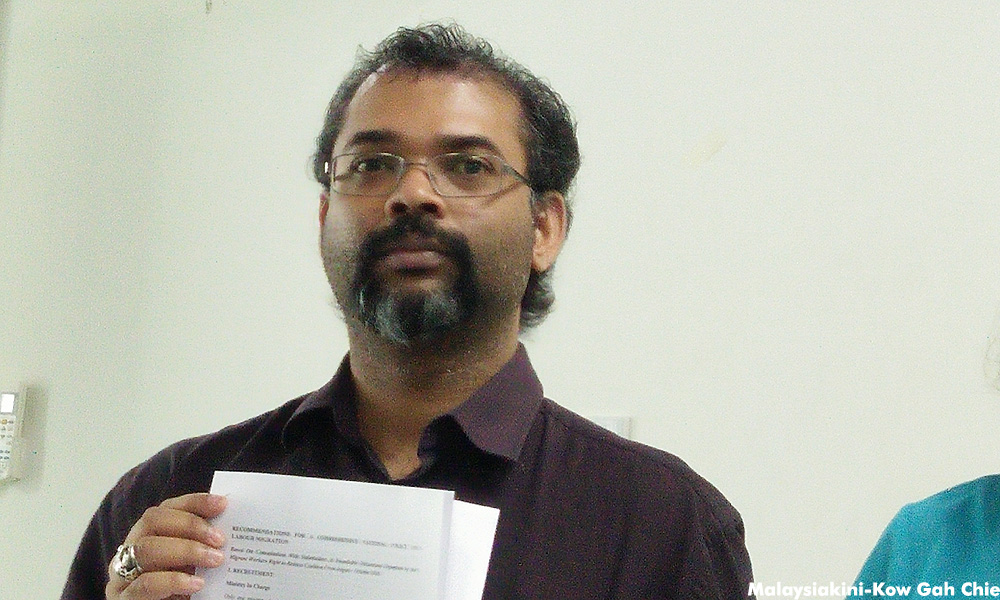
"Any condition that puts the workers' health and safety at risk can be considered forced labour.
"I advice the minister to bring bodies like Tenaganita, Suhakam, the Bar Council, and MTUC to conduct investigations into such allegations rather than brush them off," said Pereira.
A Labour Department source similarly told Malaysiakini that worker accommodation is an indicator of forced labour, but beyond the fine imposed on Top Glove for their breach of MCO standard operating procedures, there were no other labour law transgressions recorded during the July 13 raid.
The source also said the multi-agency raid by several ministries was partly prompted by UK's Channel 4 investigation which aired in June that exposed allegedly unsatisfactory standards of living and working conditions at Top Glove's premises.
Addressing one alleged exploitative practice highlighted in the Channel 4 report, the source said Top Glove had received approval for its workers to clock more than 104 hours in overtime per month.
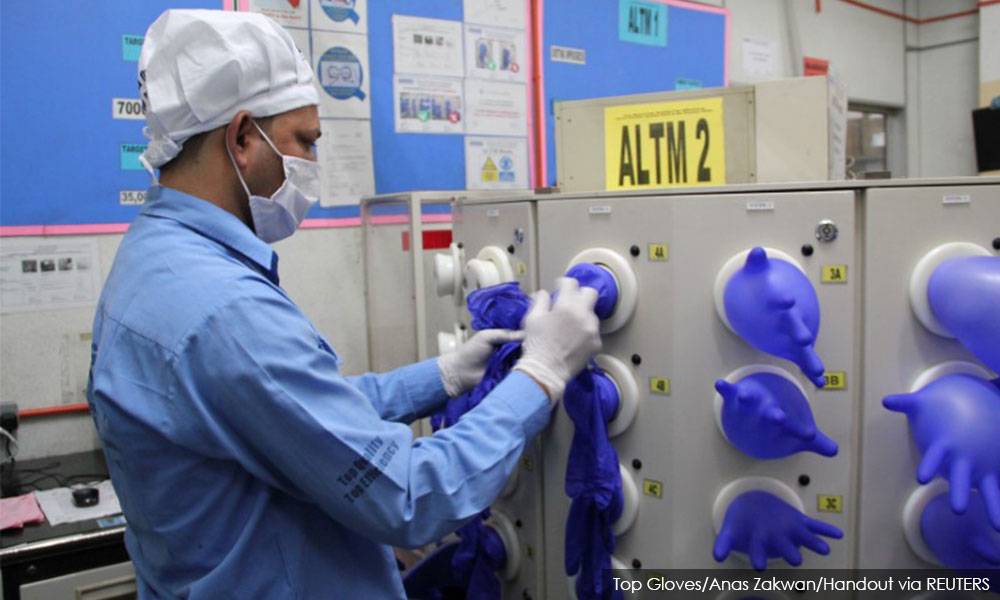
"We (Labour Department) have given approval to Top Glove's application that their workers be allowed to clock up more than 104 hours overtime.
"The approval was granted based on their reason that there was a shortage of workers," said the source.
"We are monitoring the situation. The permission was granted only until the end of this month," added the source, who was familiar with the raid.
It is understood that the permission allows Top Glove workers to clock up to 150 hours of overtime in a month.
The source said an interview with 30 workers at the main factory, following the July 13 raid, however, revealed that not all of them had worked beyond the initial 104 hours cap.
"Just in Klang, there are 26 Top Glove factories and its subsidiaries. Maybe only a number of workers had performed the extra overtime," said the source.
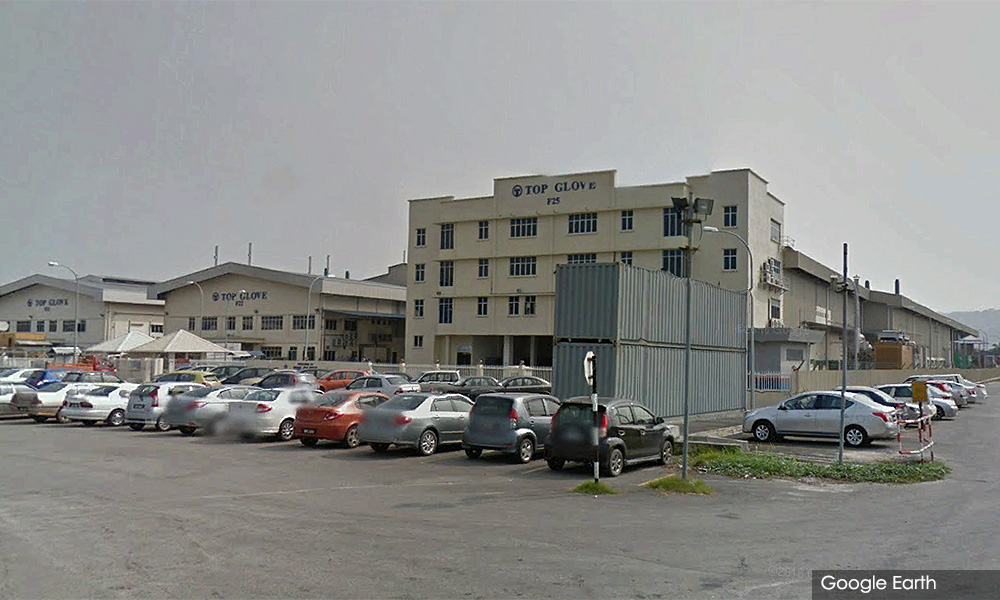
According to Channel 4, its investigation revealed the payslips of some workers who clocked up 111 hours in overtime, as the company tried to meet global demand for medical rubber gloves.
Gopalkishnam was among the sources interviewed as part of Channel 4's report and he told Malaysiakini today that several officers from the Home Ministry would be visiting his office on Friday for an interview.
"They never said they wanted to investigate me, but they are checking certain facts from the Channel 4 interview," said Gopalkishnam.
Top Glove managing director Lee Kim Meow yesterday said the US Customs and Border Protection's detention order against import from two of its subsidiaries were largely based on old allegations which had been addressed by the company.
He also accused an "activist and an NGO" of unfairly highlighting its shortcomings, particularly at the beginning of the MCO in March, while ignoring ongoing efforts to improve both working and living conditions for its workers.



The only way for the government or its relevant authorities to know the actual plight and living conditions of hostel accommodation condition, is to conduct surprise raids. I am familiar with foreign workers' heath conditions, being employed with the health service industry, that doctors dread serving foreign workers placed at hostels. Some work for long hours to earn that extra income from overtime, and just drop on the bed foregoing dinner or shower. They actually leave a lingering stench on leaving the Consultation Room. Some do not shower for days or use a clean pair of uniform to work. I have often wondered why Employers cannot provide a simple packed meal for those after late night overtimetime duty or install industrial washing machines for workers to wash their uniforms or provide additional toilet facilities. Foreign workers no doubt earn reasonable fixed salaries alongside overtime, their rest time is just inadequate leading to multiple health problems. They hardly have the time to take care of their personal health or hygiene. Sleeping in packed rooms lacking fan facility on warm nights can deprive them of restful sleep. Many of foreign worker fall under Foreign Workers Supply Agencies or Cotractors and they can be more demanding than the Employers, forcing them to go to work even when they are sick. Employers must be permitted to handle direct recruitment. Frankly unhygienic living conditions plus inadequate utility facilties(washrooms and toilets) are ready breeding grounds for infectious diseases, not just Covid19 but Dengue and skin problems and rashes at the wrong places. The authorises must pay attention, for Foreign Workers are an asset to our nation, until locals come forward to replace them.
Are you sure you want to delete this comment?
This action cannot be undone.