


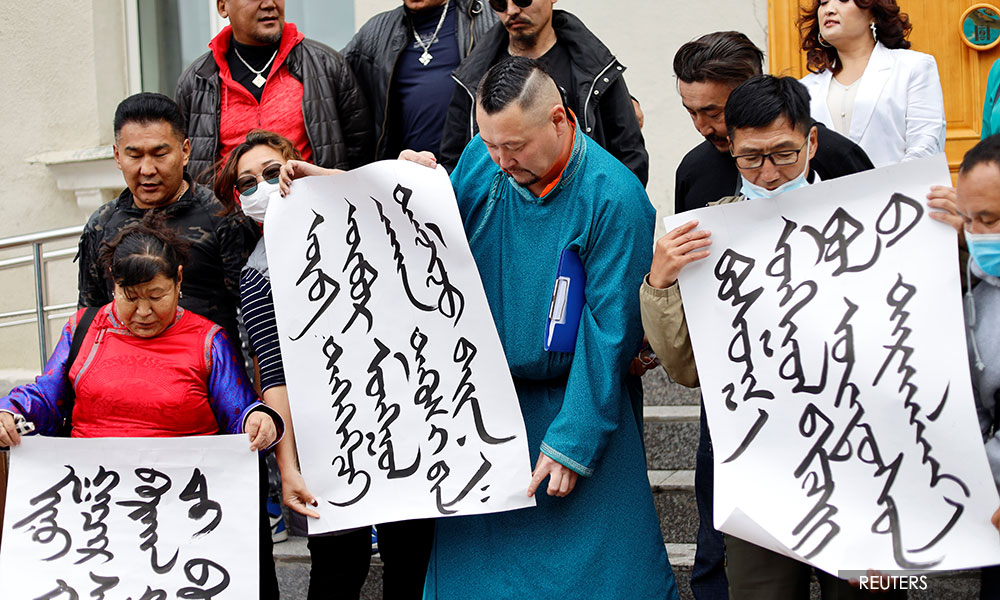

Ethnic Mongolians in China protest removal of traditional language in schools
Ethnic Mongolians in China's north have staged rare protests over changes to school curricula that remove the Mongolian language from core subjects, a show of defiance that has led to curfews in some areas, according to an advocacy group.
New guidelines in the Chinese-administered Inner Mongolia region require elementary and secondary school subjects, including history, politics and language, to be taught in Mandarin, beginning Sept 1...
Ethnic Mongolians in China's north have staged rare protests over changes to school curricula that remove the Mongolian language from core subjects, a show of defiance that has led to curfews in some areas, according to an advocacy group.
New guidelines in the Chinese-administered Inner Mongolia region require elementary and secondary school subjects, including history, politics and language, to be taught in Mandarin, beginning Sept 1.
Videos circulated by New York-based advocacy group, the Southern Mongolian Human Rights Information Center, show angry crowds of students and parents gathering outside schools to protest the move.
The group said the protesters numbered in the thousands. Reuters could not independently verify the figures.
The centre director, Enghebatu Togochog, told Reuters they believe the programme is part of a wider push by Beijing to wipe out Mongolian culture in the region and he noted that some parents had pulled their children out of the schools in protest.
The standardisation of national education is a key policy drive under China's President Xi Jinping, largely focusing on promoting loyalty to China and the Communist Party.
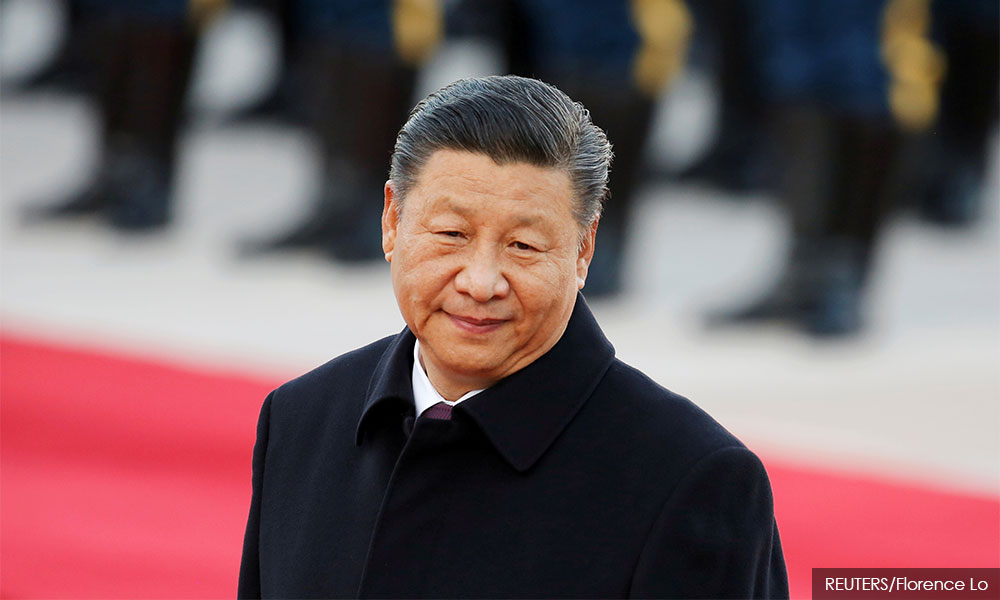
In a Q&A posted online, Inner Mongolian regional education authorities defended the changes, saying they "reflect the will of the Party and nation... and the inherent excellence of Chinese culture and advances to human civilisation".
China's Education Ministry and Ethnic Affairs Commission did not immediately respond to requests for comment on Wednesday.
Videos of the protests appeared on Chinese social media site Weibo on Monday, but have since been removed, according to Reuters checks.
The advocacy group also said videos show curfews were put in place starting on Monday in Lubei town, in the region's east.
Traffic authorities in Fengzhen, a city southeast of regional capital Hohhot, released a notice on Monday that said they developed a plan for "emergencies involving ethnic languages" to "maintain the city's political and social stability."
Local civil unrest is unusual in China, where the internet is tightly controlled and the police quickly crackdown on gatherings.
Preserve the mother tongue
The changes have sparked protest in the independent nation of Mongolia, which shares a border with Chinese-administered Inner Mongolia.
"We need to voice our support for Mongolians striving to preserve their mother tongue and scripture in China. The right to learn and use one's mother tongue is an inalienable right for all," former Mongolian president Tsakhia Elbegdorj tweeted on Tuesday.
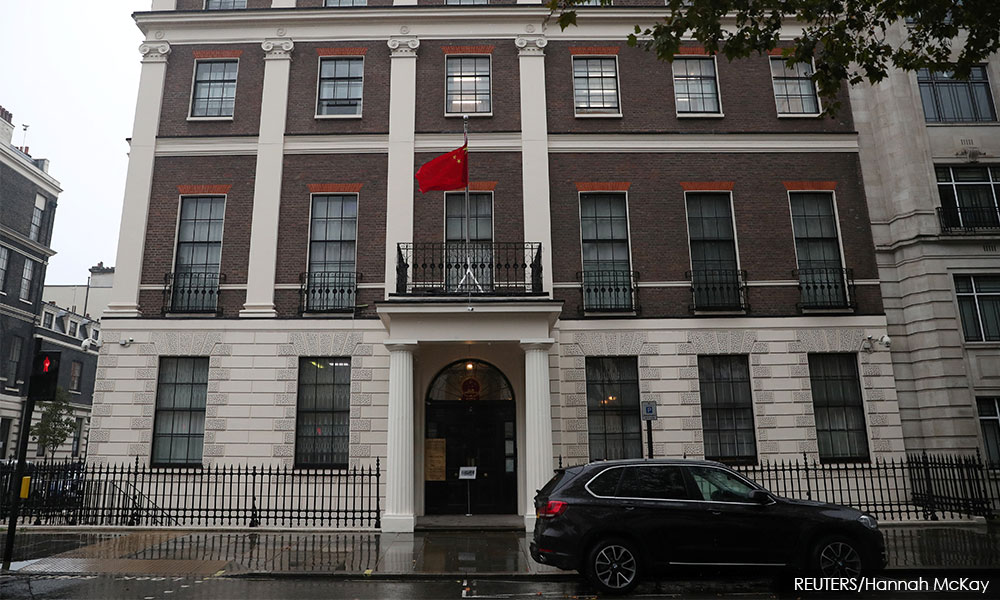
In Mongolia's capital, Ulaanbaatar, a small number of people gathered at the Chinese Embassy on Monday to protest the changes.
"Most of us have lost the ability to speak proper Mongolian, but Inner Mongolians have kept that tradition intact. I am here to show solidarity with my southern brethren," philosophy teacher Tseren Tuvshinjargal told Reuters.
The programme to replace ethnic languages in core courses has been deployed in Xinjiang and Tibet, areas known for unrest between the authorities and ethnic minorities, since 2017.
"Mastering the national spoken and written language is the responsibility and obligation of every Chinese citizen. It is a concrete manifestation of love for the party and country," said state media outlet Inner Mongolia Daily on Tuesday.
- Reuters


Are you sure you want to delete this comment?
This action cannot be undone.