


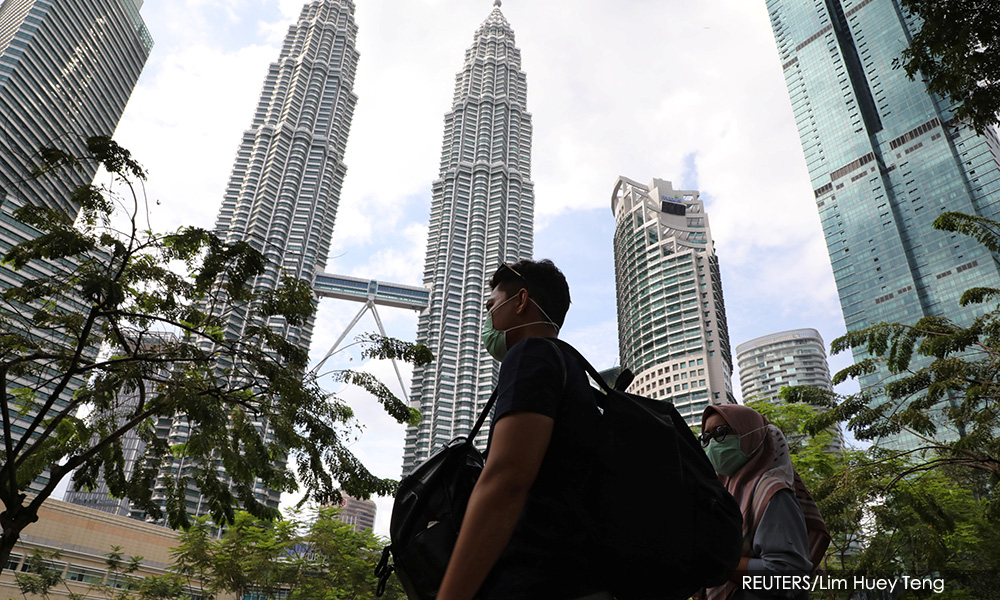

APIB CEO expects 2021 growth rate of 6.6pct for Malaysia
Asia Pacific Investment Bank (APIB) CEO Chris Wang is optimistic that with 2021 approaching, the growth and downward spiral of the economy for the past year that was triggered by the Covid-19 pandemic will come to an end.
APIB's research division reports that Malaysia’s domestic and foreign consumption is recovering.
Thus the GDP growth forecast for 2021 is expected to rebound to a healthy 6.6 percent after contracting by 5.7 percent in 2020.
Asia Pacific Investment Bank (APIB) CEO Chris Wang is optimistic that with 2021 approaching, the growth and downward spiral of the economy for the past year that was triggered by the Covid-19 pandemic will come to an end.
APIB's research division reports that Malaysia’s domestic and foreign consumption is recovering.
Thus the GDP growth forecast for 2021 is expected to rebound to a healthy 6.6 percent after contracting by 5.7 percent in 2020.
However, this will hinge on the suppression of the spread of the Covid-19 virus, political stability and the increased demand for Malaysia's export.
Also due to rising domestic demand and fuel prices, the national inflation rate is predicted to rise marginally to 1.1percent.
Wang is of the opinion that there be an unequal pace of recovery and development in different domestic sectors.
Sectoral anaylsis
The retail sector will still face a challenge in the short term but its online counterparts will be enjoying a much bigger growth.
The manufacturing sector, especially the electronic industry, will witness growing demand due to the rapid development of digital economy and increasing exports.
In the transport sector, the growing demand for both regional logistics as well as domestic transportation will spur its recovery.
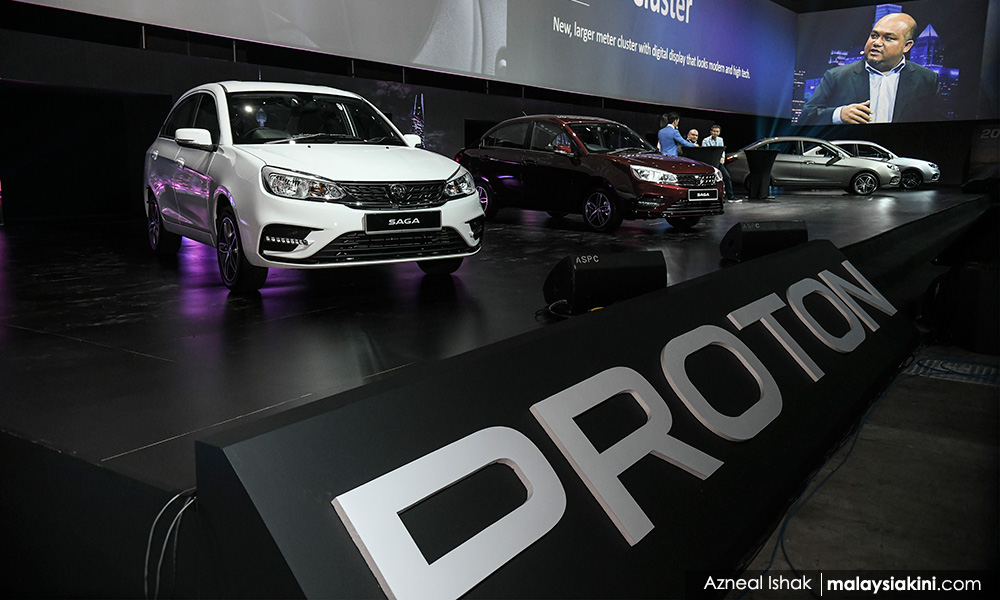
The automobile sector will also recover despite persisting challenges in the short term. As such the financial services related to vehicle purchases will experience accelerated growth.
The temporary decline of the health tourism industry will be abated by increased health awareness and demand for the Covid-19 vaccine. A rapidly growing trend will be the online medical treatment practices.
The IT industry will remain the largest beneficiary as new technology are being adopted by various industries with new business models such as big data, AI, 5G, etc. The pressure remains on sales of residential properties.
While for the commercial sector, sharing of premises is slowly evolving into a mainstream trend.
The energy sector will see a short-term decline in prices and revenue due to declining demand for fuel as many are still working from home.
The tourism and airlines industry will be facing tough challenges in the short to medium term due to its reliance on domestic spending which will make the recovery to pre-Covid-19 levels by 2023 extremely challenging.
For investors, Wang advises against putting all their capital into a single sector portfolio and instead spreading it through a balanced one adhering to the concept of ‘medium and long-term investment’ to counter the short-term negative impact of market fluctuations.
“Malaysians should look out for investment opportunities in Asian countries which are enjoying speedy recoveries like China, Japan, Korea and others.
"In 2021, the US dollar, Japanese yen and Euro will be expected to yield low, zero or even negative interest rates in efforts to boost and stimulate the economy.
"As such, it is prudent to acquire some medium to long-term Chinese foreign bonds to offset the currency depreciation due to its oversupply created by central banks in those affected countries,” said Wang.
He added that digital financing should not be neglected as its development is closely interlinked with the speed of economic recovery in the later stages of the pandemic.
Wang said that this industry will experience explosive growth in the future as blockchain technology has already been widely adopted in key areas such as international payment system, digital asset financing and supply chain financing.
Finally, Wang stated that due to the influence of the Regional Comprehensive Economic Partnership (RCEP) agreement, investors can consider increasing their investment into the regional manufacturing industrial chain especially those related and affected by the US-China trade war such as electronic chips, rubber products, electric cars, textile etc.
"By taking advantage of the situation, we can seek to boosts Malaysia’s status as a transhipment hub and increase our export revenue," he said.
- Bernama



Report this comment
Are you sure you want to delete this comment?
This action cannot be undone.