



NGO: Perhilitan and gibbon centre must work together despite legal tussle
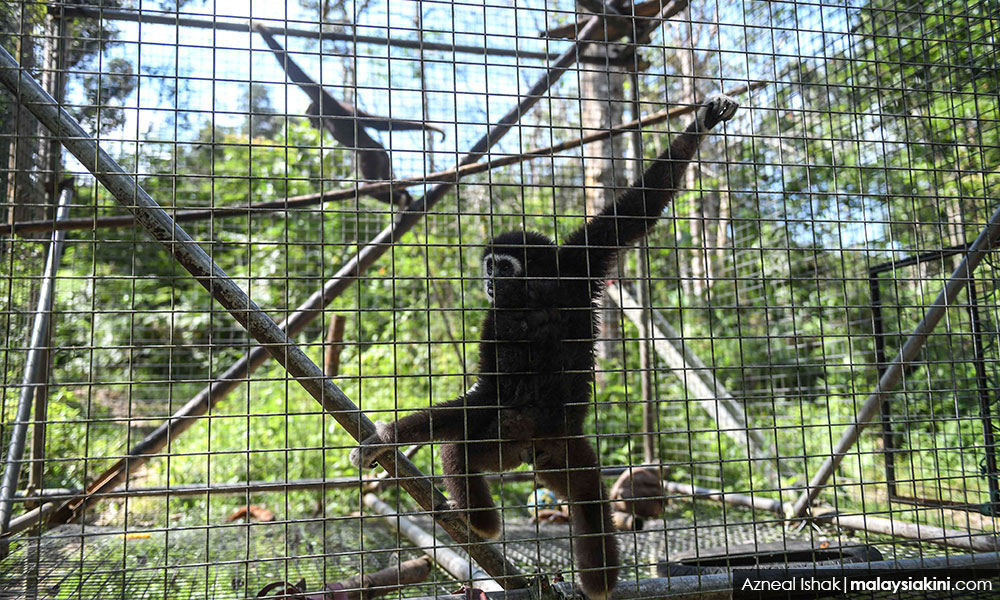
The Wildlife and National Parks Department (Perhilitan) and Gibbon Rehabilitation Project (Grep) must work together for a long-term solution to successfully rehabilitate gibbons, the Malaysian Primatological Society said.
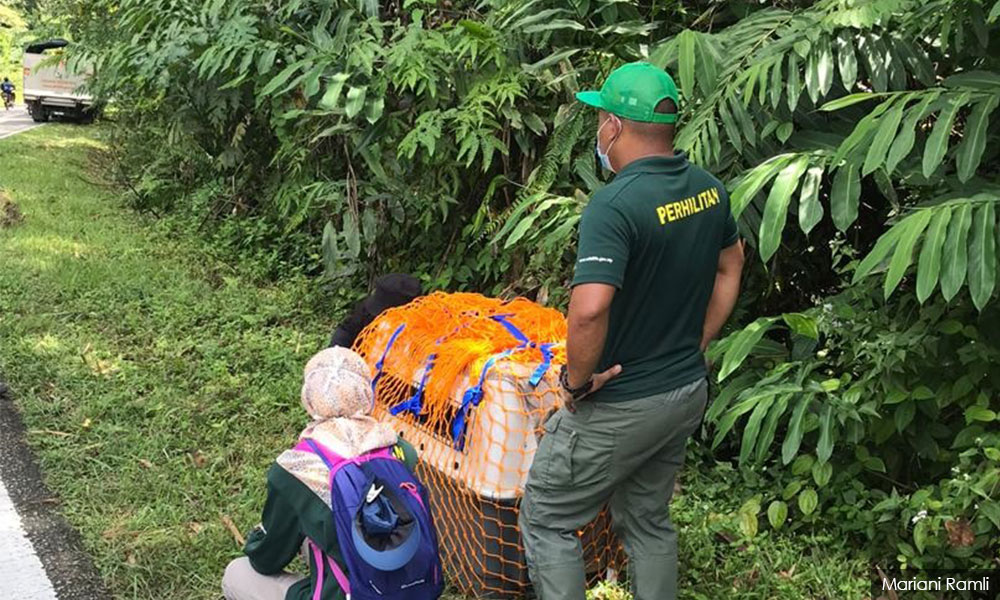
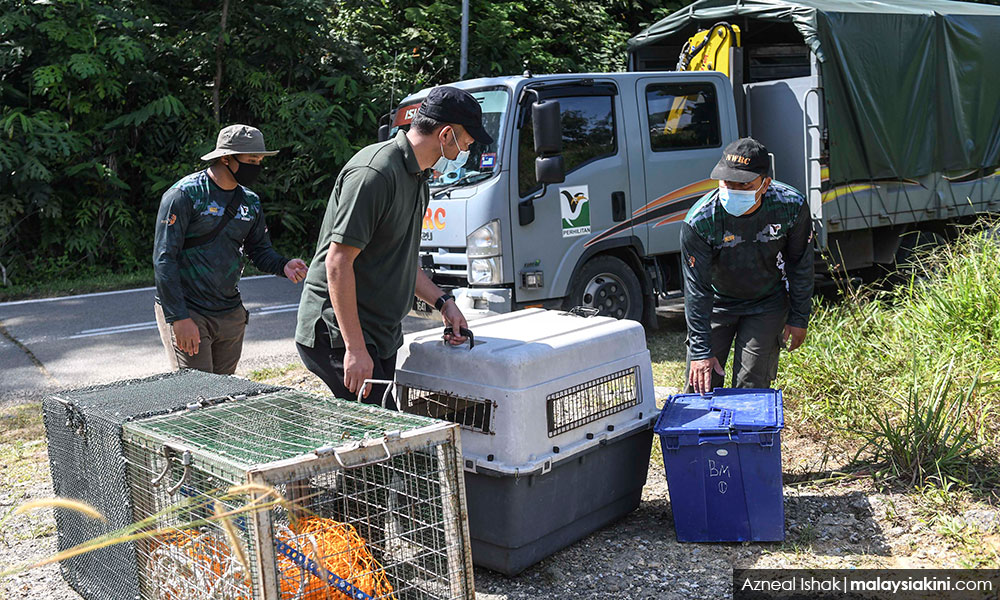
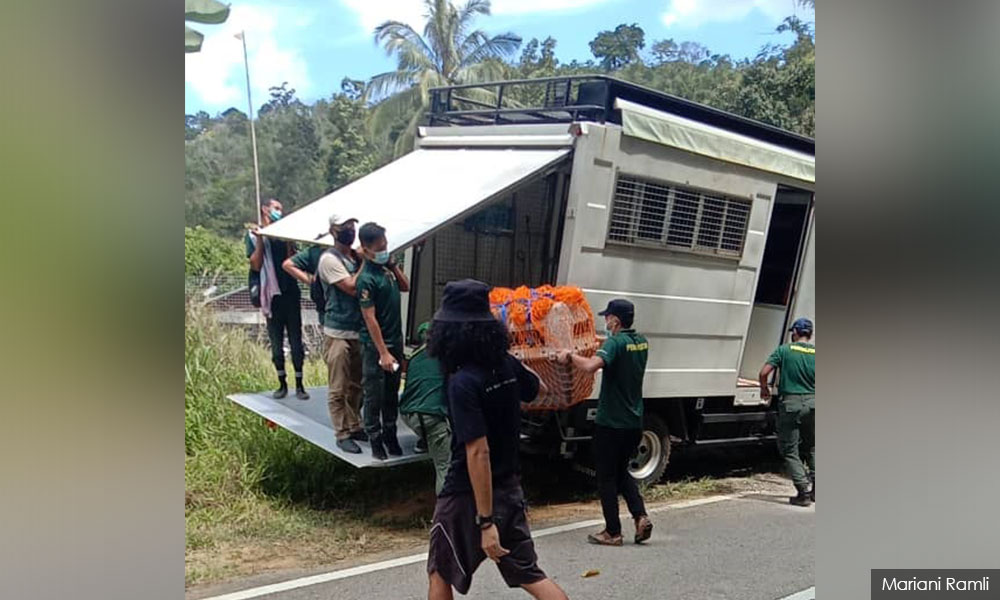
The NGO said this after Perhilitan raided Grep's gibbon rehabilitation centre in Pahang yesterday and confiscated four gibbons.
The 10-hour raid was conducted amid an ongoing court case between Grep founder Mariani Ramli and Perhilitan...
The Wildlife and National Parks Department (Perhilitan) and Gibbon Rehabilitation Project (Grep) must work together for a long-term solution to successfully rehabilitate gibbons, the Malaysian Primatological Society said.
The NGO said this after Perhilitan raided Grep's gibbon rehabilitation centre in Pahang yesterday and confiscated four gibbons.
The 10-hour raid was conducted amid an ongoing court case between Grep founder Mariani Ramli and Perhilitan.
In 2016, Mariani had taken Perhilitan to court over a claim of unfair dismissal.
She challenged both her termination and Perhilitan's order for her to return six gibbons which had been placed under her care while she was employed under the department.
While she won the case in the High Court, the Court of Appeal had ruled that she had no permission to keep the gibbons, which led to the raid yesterday.
Perhilitan insisted that it did not need a warrant to conduct the raid after Mariani asked the wildlife officers to show her one.
The officers eventually aborted the raid after they failed to coax all of the gibbons to enter their cages.
"We urge both parties to put the welfare of the gibbons above all and do what is best for these endangered apes while legal issues are addressed and work together constructively to seek a long-term solution for the successful rehabilitation of these animals," the NGO said in a statement yesterday.
According to the NGO, Malaysia has five species of gibbons which are endangered due to deforestation and hunting, as well as being victims of the illegal pet trade.
"Young animals captured for the pet trade are forcefully removed from their parents for sale on the black market. Most animals die in the process.
"The few that survive are often kept in terrible conditions, are tied up, or kept in small cages with inappropriate or inadequate food," it said.
Realising that gibbons are not suitable as pets, the owners usually release them back into the wild, the Malaysian Primatological Society said.
It added that the released gibbons could not survive in the wild as they could not adapt to their new surroundings.


Are you sure you want to delete this comment?
This action cannot be undone.