


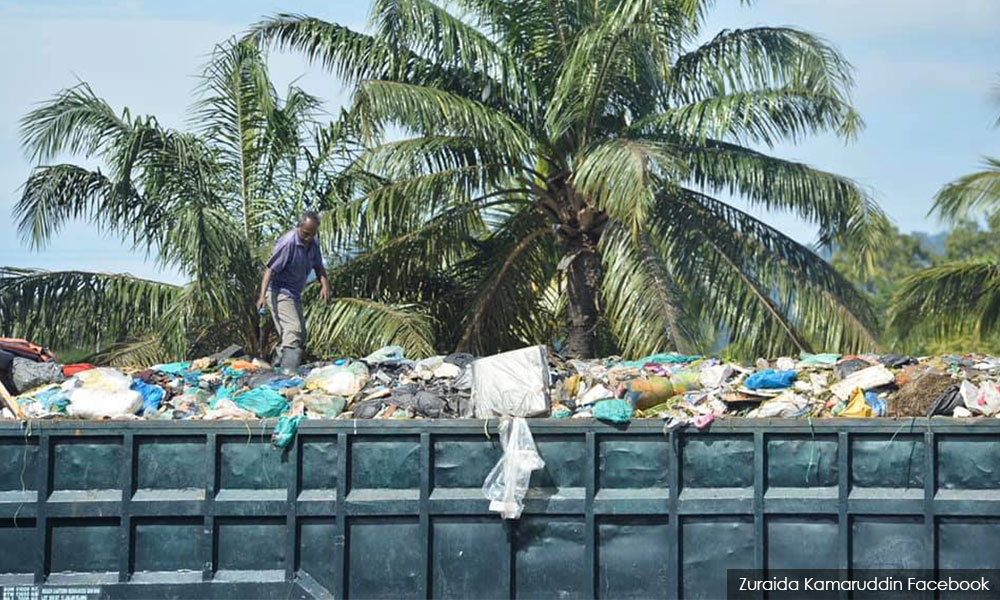

Govt calls off incinerator plan in Kepong, examines other locations
The government has called off a plan to build a waste-to-energy incinerator plant at Taman Beringin in Kepong, Kuala Lumpur, following protests on the issue in recent years.
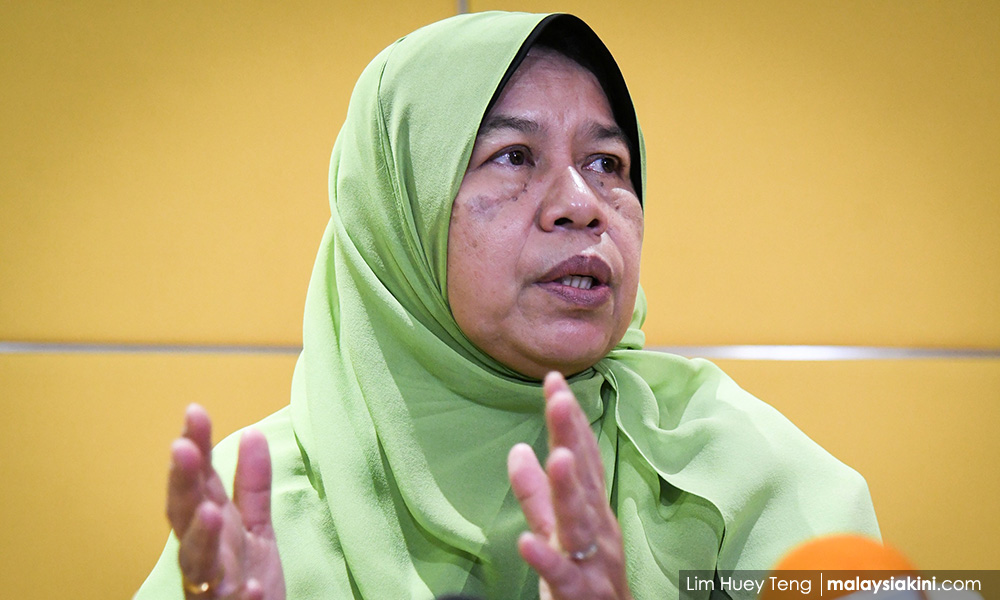
This is according to Housing and Local Government Minister Zuraida Kamaruddin, who said several new locations were being examined to replace the Taman Beringin location.
She said the government is seeking approval from...
The government has called off a plan to build a waste-to-energy incinerator plant at Taman Beringin in Kepong, Kuala Lumpur, following protests on the issue in recent years.
This is according to Housing and Local Government Minister Zuraida Kamaruddin, who said several new locations were being examined to replace the Taman Beringin location.
She said the government is seeking approval from several parties before finalising the new location.
"The proposal of the original location for the solid waste management plant... was in Taman Beringin.
"However, the proposed location received objections from members of the public. Apart from that, the Kuala Lumpur City Hall has a development plan for the surrounding area and it raised the concern of possible problems in future if the project continues to be implemented in Taman Beringin," Zuraida said in a parliamentary written reply to DAP's Kepong MP Lim Lip Eng.
"As such, the ministry has scrutinised several suitable locations to replace the original venue in Taman Beringin. The ministry is seeking the approval from relevant parties before the (new) location is finalised," she said, stopping short of naming the new location for the incinerator project.
Lim had asked Zuraida to disclose the government's decision on the proposed incinerator location in Kuala Lumpur.

Previously, the Pakatan Harapan government acknowledged the need to build an incinerator but it pledged to review the need to have it built at Taman Beringin, which is just 12km from the Kuala Lumpur city centre.
The proposal to build a waste-to-energy plant to be incorporated into the Kuala Lumpur solid waste transfer station in Taman Beringin was first mooted in 2014.
Costing between RM700 million and RM900 million, the proposed plant to be built on a 1.62ha site next to the existing transfer station, would include an incinerator to burn waste that would later be turned into electricity.
With the expectation that solid waste collection would reach 33,000 tonnes per day, the incinerator would be helpful in fulfilling the country's power needs.


Report this comment
Are you sure you want to delete this comment?
This action cannot be undone.