


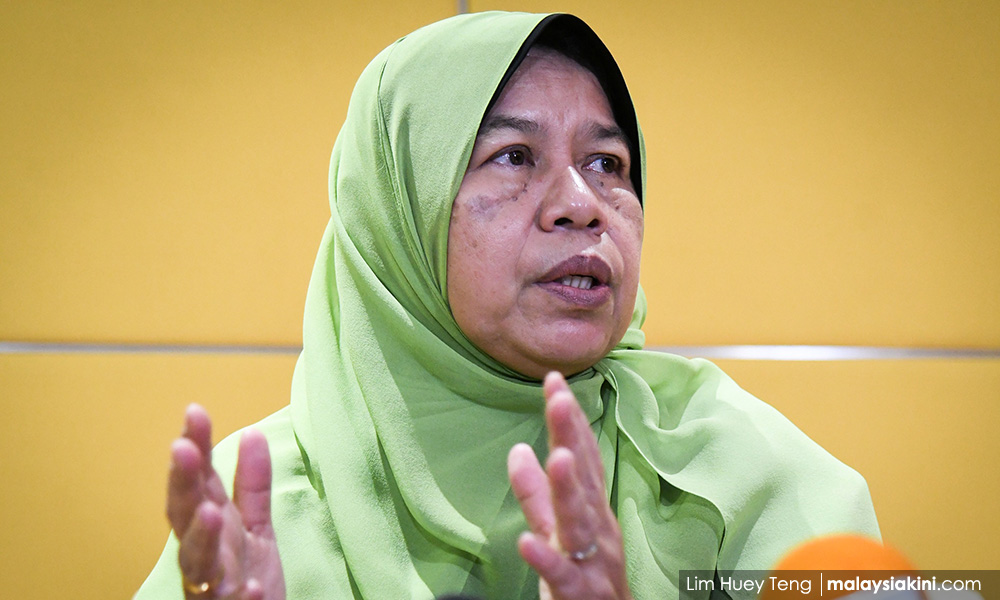

I'm not deaf to incinerator concerns, assures Zuraida
INTERVIEW | Housing and Local Government Minister Zuraida Kamaruddin has dismissed accusations that she ignored concerns raised by a Kuala Lumpur community group against incinerators.
"No, it is not true that I turned a deaf ear. I don't have a deaf ear in the first place...
INTERVIEW | Housing and Local Government Minister Zuraida Kamaruddin has dismissed accusations that she ignored concerns raised by a Kuala Lumpur community group against incinerators.
"No, it is not true that I turned a deaf ear. I don't have a deaf ear in the first place."
Zuraida said this in response to the Kuala Lumpur Tak Nak Insinerator (KTI) group expressing its unhappiness that she and her officials had not responded to its invitation to attend an April 6 public dialogue on incinerators.
The forum was organised after the minister announced the government’s plan to embark on a waste-to-energy (WTE) initiative, in which landfills will be converted into incinerator plants.
The government decided not to build a WTE plant in Taman Beringin, Kepong after meeting KTI several times, she said.
"They came to see me. (I said) 'No problem, I am not going to do it in Taman Beringin'," she said during a group interview to commemorate the one-year anniversary of the Pakatan Harapan administration.
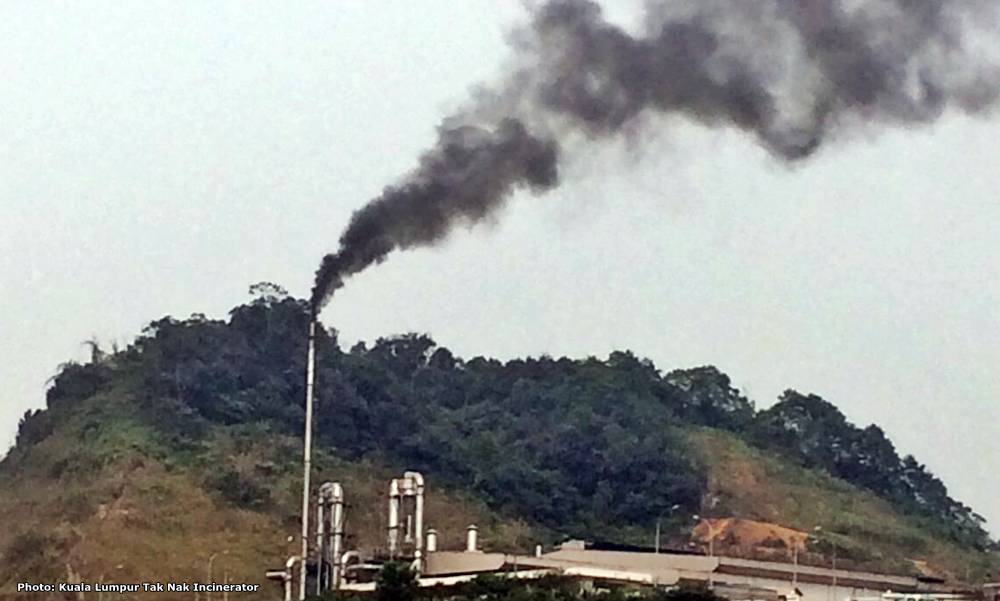
While acknowledging that KTI had proposed a recycling project in Taman Beringin, Zuraida said it would have to be considered later, as Putrajaya was now prioritising cleaning up rubbish nationwide.
The minister added that she had invited the group to join the government's efforts to implement recycling initiatives.
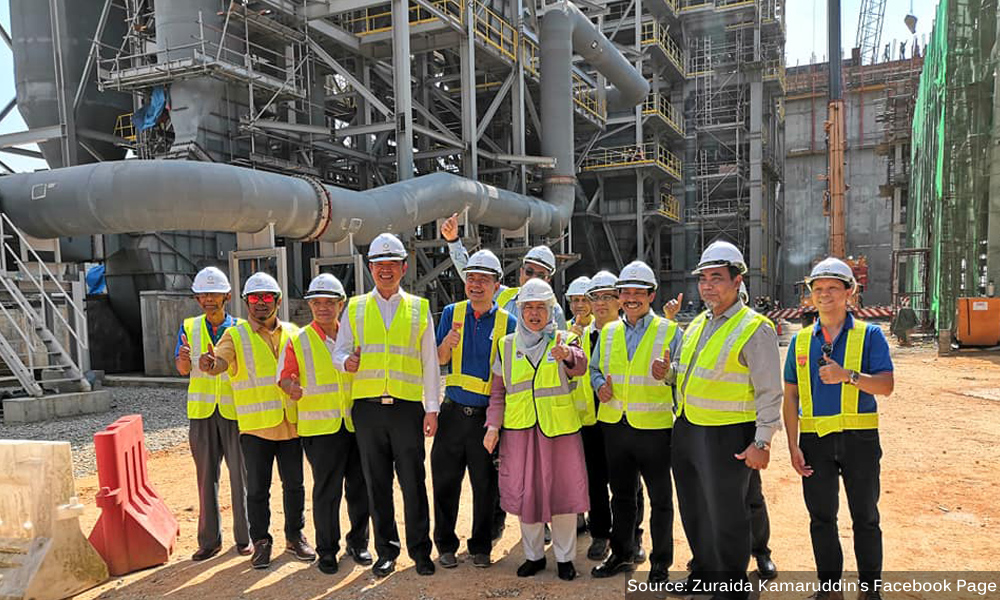
She also noted that the option of building a WTE plant in Serendah has to be explored after dropping its plan to build one in Taman Beringin.
Zuraida had previously been reported as saying each state will have one WTE plant, with the first, involving a converted landfill in Tanah Merah, to begin operations in June.
Besides Tanah Merah, she said WTE projects involving the landfills of Bukit Payong and Seelong in Johor, Jabi and Samling in Kedah, and Bukit Tagar in Selangor are either in the pipeline or ready to go.
"I think the people are more exposed and understand that technology is mature now.
"They are not worried anymore like in the past," she said, adding WTE plants elsewhere in the world are built in the midst of residential areas and city centres.
"The people have to learn to be more open about it, in order for the country to progress with all the outstanding rubbish cleaned up."
Misperceived corruption
Zuraida also lamented the misconception that corruption occurred in the distribution of plastic waste import licenses.

"You must understand there are 26 different codes of plastics that have been imported into the country, with only one (HS Code 3915) being controlled by the ministry," she stressed.
"We regulated this particular code of plastic. We checked all the plastic that was imported into the country. Even the factories, we check 100 percent.
"There are only 54 factories listed under HS Code 3915, the others are illegal."
After realising that the existing RM300 fine failed to deter illegal factory operators, she said the government has mulled increasing the fine to RM500,000.
Setting prices of affordable homes
In another development, Zuraida also said her ministry has come up with new decision to tackle the issue of affordable housing by setting prices based on the median income of a given housing area.
"This is one form of controlling (the price of houses) so that they cannot go further than what the affordable rate of the area is."
The price of affordable homes in rural areas in Kelantan, Terengganu and Kedah will be set at RM90,000, Zuraida said, while houses in urban areas will remain at RM300,000.
She added that developers have to observe the government's decision.
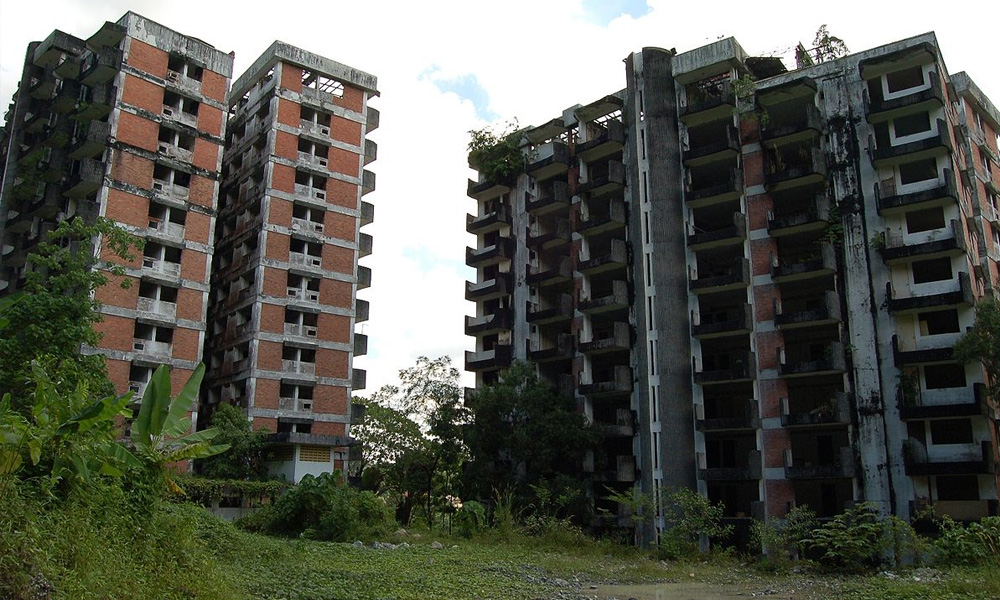
In the interview, Zuraida listed among her most notable achievements the plan to turn the Highland Towers site into a memorial park.
The project, she said, will be funded by the Ampang Jaya City Council.
"But I faced some obstacles as 15 owners (of Highland Tower units) appeared and wanted to have some interest in it and, by right, whatever claims they have have been nullified," she added.
She added that the owners did not qualify as stakeholders because of the Limitation Act 1953, which stipulates a time limit of six years to initiate legal action.
"Anyway, I am engaging with them, so I want them to understand and put the national and public interest ahead of (personal) interest," she said.
The government initially intended to build affordable housing at the site, but was forced to ditch the plan after it found the land was unable to support high-rise buildings.
On Dec 11, 1993, one of the three blocks of the Highland Towers condominium in Ulu Klang, collapsed, killing 48.
RELATED REPORT
Gov't expected to amend laws to restore local elections in 2020




Report this comment
Are you sure you want to delete this comment?
This action cannot be undone.