


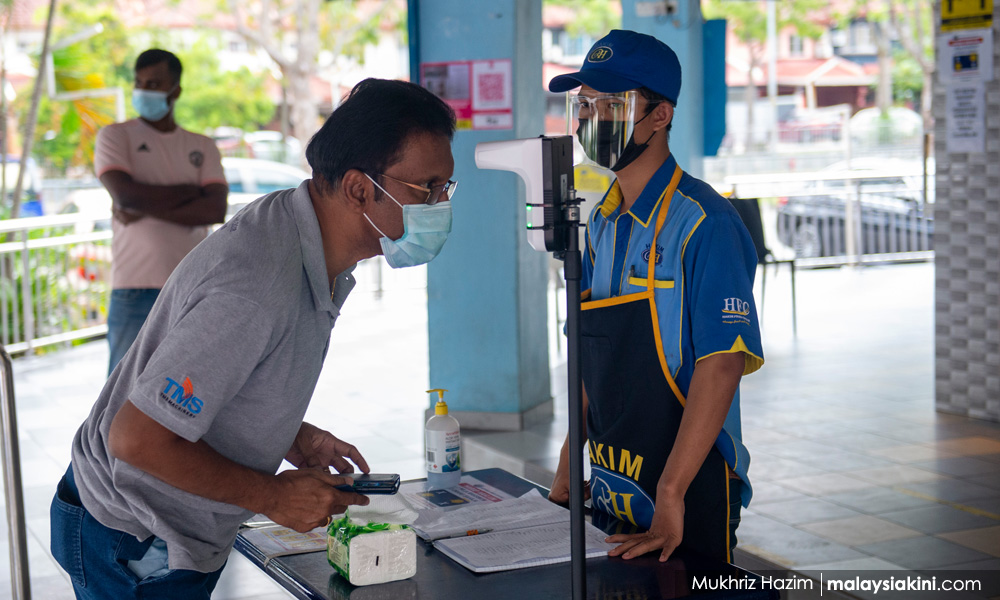

DG Hisham: MCO 2.0 working, worst is behind us
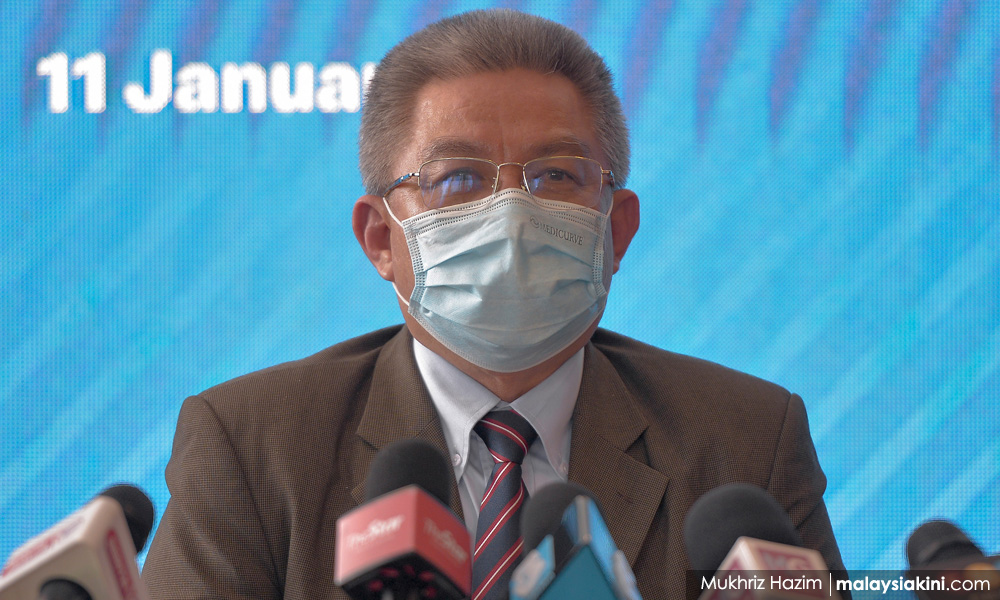
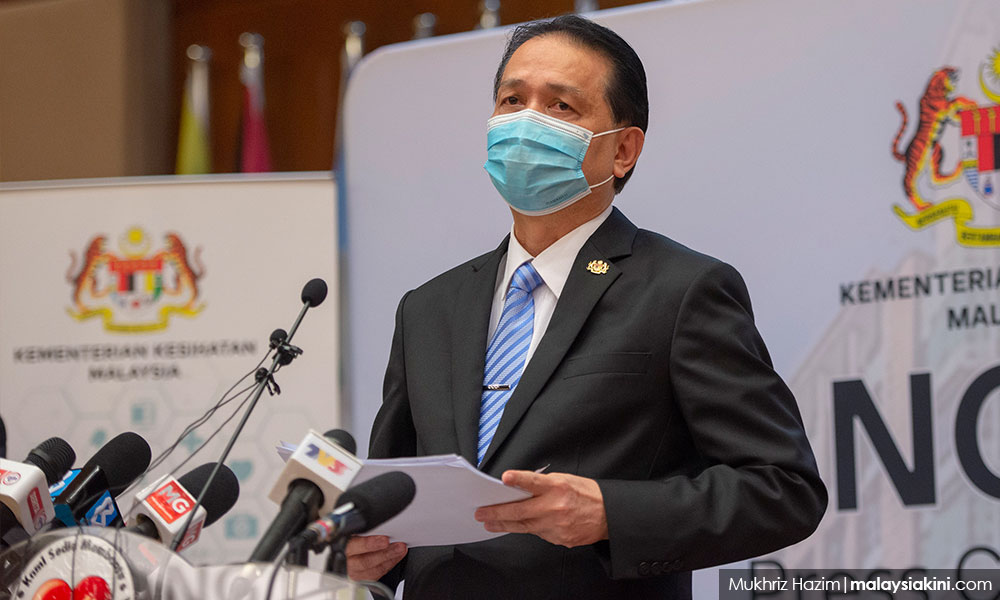
COVID-19 | Health Ministry director-general Dr Noor Hisham Abdullah believes that the second movement control order (MCO 2.0) is working and says Malaysia has turned the corner in its fight against Covid-19.
Speaking at a press conference this evening, he called the 5,298 daily new cases recorded back on Jan 31 the “peak” of the country’s epidemiological curve.
“Our daily case numbers may have peaked on Jan 31...
COVID-19 | Health Ministry director-general Dr Noor Hisham Abdullah believes that the second movement control order (MCO 2.0) is working and says Malaysia has turned the corner in its fight against Covid-19.
Speaking at a press conference this evening, he called the 5,298 daily new cases recorded back on Jan 31 the “peak” of the country’s epidemiological curve.
“Our daily case numbers may have peaked on Jan 31.
“And we expect cases to plateau before we see them decreasing,” he said.
The top official previously attributed the high case numbers at the end of last month to reporting delays and backlog from 2020.
As of noon today, the country recorded 2,764 daily new cases.
Noor Hisham expected that cases and infectivity (Rt) will continue to fall, especially from next week onwards.
“We expect that we will see the effects of the MCO four weeks after it has been imposed.
“We are now in the third week and we hope that in another week’s time, we will see a decrease not only in daily cases but also Rt.
“We expect we can bring the Rt down from 1.2 to 0.6,” he said.
Nationwide, Rt has been under 1.00 in the past four days and was at 0.91 yesterday (Feb 8) after hovering between 1.00 and 1.10 since early last month.
An Rt below 1.00 indicates a shrinking outbreak.
However, some states continued to show Rt values above 1.00 as of Feb 8, indicating growing outbreaks there.
They are Malacca (1.27), Penang (1.09), Selangor (1.08), Johor (1.07), Kuala Lumpur (1.02) and Sarawak (1.00).
Double digits by May
Noor Hisham said the ministry predicted that daily new cases could fall to double digits as soon as the middle of May 2021.
This was provided the Rt could be lowered and maintained at 0.6.
“This means we will be able to bring down the cases and flatten the curve by March or April.
“We could aim to reach two digits (of daily new cases) by the middle or end of May. This is our target,” he said.
Flexibility in patient management
As the Covid-19 situation in states like Kelantan (Rt 0.77) and Terengganu (Rt 0.86) improve, Noor Hisham said states had the autonomy to tweak their patient management systems to allow closer monitoring.
At present, Covid-19 Assessment Centres (CACs) will place low-risk patients under home quarantine, provided their homes are suitable for quarantine. Those without suitable homes will be sent to government low-risk treatment centres (PKRC).
Home quarantine was allowed last month after PKRC and hospital facilities filled up and became strained.
“But if they have the capacity in their PKRC, it is flexible and they can consider placing low-risk patients in the PKRC. More so if (patients) do not have the proper home (conditions) for isolation.
“It is very flexible. Meaning they have a choice in states like Kelantan and Terengganu,” he said.
Low-risk patients are those in Category 1 (asymptomatic) or Category 2 (mildly symptomatic).
However, Noor Hisham sidestepped a question on why a higher number of Covid-19 patients were being brought-in already dead and whether it was the CAC’s role to ensure home quarantine does not result in people dying from the virus at home.
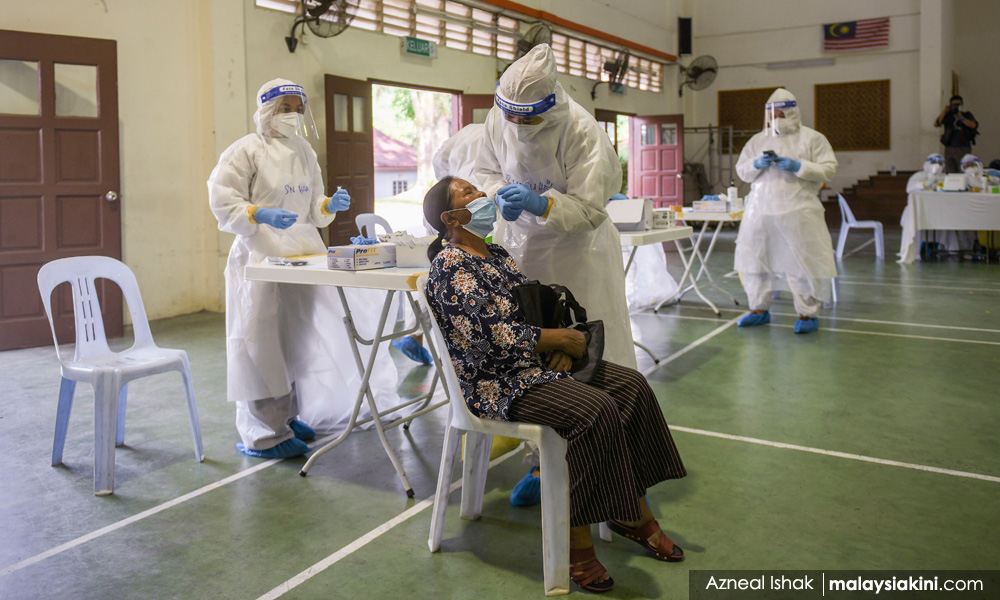
He said death rates were dropping despite a higher death toll in recent months, and explained this was due to more cases being detected from more testing.
Noor Hisham also said the CACs routinely perform risk assessments on home quarantine patients.


Are you sure you want to delete this comment?
This action cannot be undone.