




Import ban on Top Glove products tarnishes country's image - minister
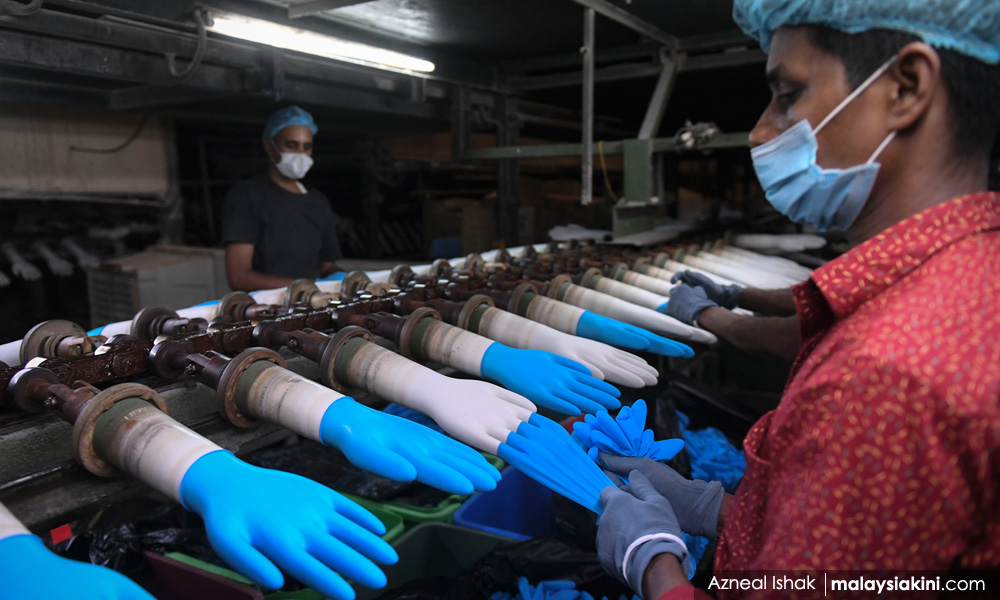
The country’s image has been tarnished following an import ban on Top Glove's disposable gloves by the US Department of Customs and Border Protection (US CBP), said Human Resources Minister M Saravanan.
This follows the US CBP's direction, on Monday, for personnel at all ports of entry to seize disposable gloves produced by Top Glove because the company is believed to be using forced labour...
The country’s image has been tarnished following an import ban on Top Glove's disposable gloves by the US Department of Customs and Border Protection (US CBP), said Human Resources Minister M Saravanan.
This follows the US CBP's direction, on Monday, for personnel at all ports of entry to seize disposable gloves produced by Top Glove because the company is believed to be using forced labour.
“If they (Top Glove) are innocent, they should not be punished. Top Glove still has room to appeal to the US CBP.
“I will not compromise with any party that abuses workers,” he said.
Saravanan was speaking to the media after attending a meeting with Sime Darby Plantation Bhd workers in Banting, Selangor today.
He also claimed that when Malaysia was colonised by the British, the Indian community who became workers were never persecuted.
Meanwhile his ministry, in a statement issued in conjunction with the meeting, said it also held a dialogue with plantation workers to explain the workers housing project under the Skim Khas Pembiayaan Rumah Pekerja Estet (SKRE).
It said the SKRE, which is a government initiative, is a revolving fund given to eligible plantation workers by offering a soft loan with a two percent interest rate, that can be applied for through Bank Simpanan Nasional.
The objective of SKRE is to address the issue of homeownership among plantation workers and also aims to help homeless workers in the event of changes in plantation management or if a plantation is sold for development purposes.
The scheme is also an effort to attract and retain local workers to work in the plantation sector and reduce dependence on foreign labour.
- Bernama




Report this comment
Are you sure you want to delete this comment?
This action cannot be undone.