


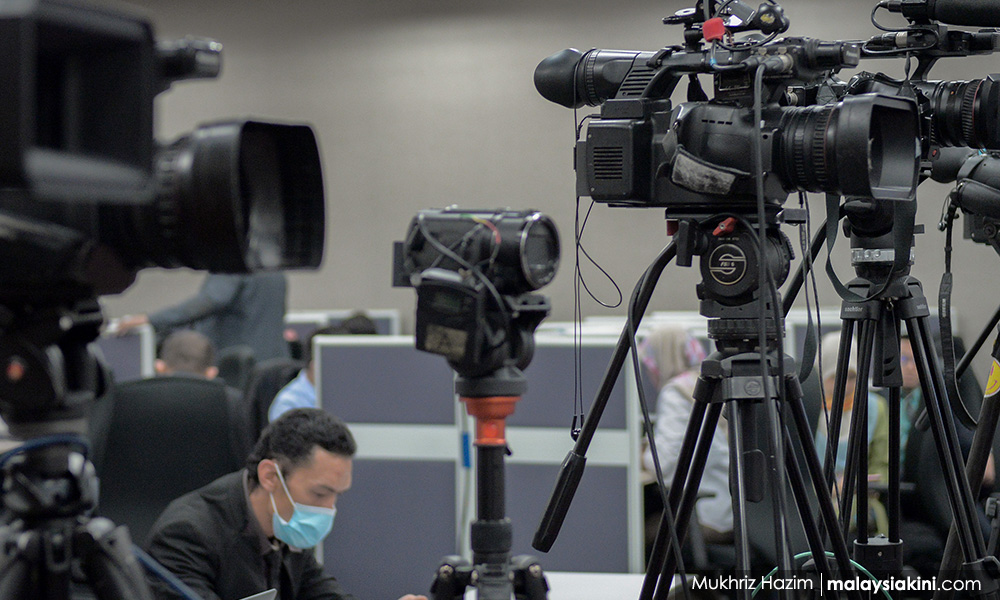

Press freedom in Asean under severe threat, M'sia backsliding since Harapan fell
Since 2015, democracy actors in five Asean countries have been witnessing an upsurge of attacks against the institution of the press which have only exacerbated due to the Covid-19 Pandemic, said the Asian Democracy Network which published a study on the matter earlier this week.
The study, called "State of Media Freedom in Southeast Asia: Confronting the Regression of Media Freedom in Southeast Asia", covered five countries - Cambodia, Indonesia, Malaysia, the Philippines and Thailand.
Ironically it highlights that Malaysia had made great strides in press freedom under the Pakatan Harapan administration but that this had undergone a substantial regression under the...
Since 2015, democracy actors in five Asean countries have been witnessing an upsurge of attacks against the institution of the press which have only exacerbated due to the Covid-19 Pandemic, said the Asian Democracy Network which published a study on the matter earlier this week.
The study, called "State of Media Freedom in Southeast Asia: Confronting the Regression of Media Freedom in Southeast Asia", covered five countries - Cambodia, Indonesia, Malaysia, the Philippines and Thailand.
Ironically it highlights that Malaysia had made great strides in press freedom under the Pakatan Harapan administration but that this had undergone a substantial regression under the Muhyiddin Yassin government, echoing a similar finding by Reporters Without Border's (RSF) annual press freedom index which showed that Malaysia had fallen more than any country in the world in 2020.
The study covers perspectives from journalists, civil society actors, and government institutions regarding the state of press freedom in Southeast Asia and was held in partnership with Cambodian Journalists Alliance Association (CamboJA), Asosiasi Media Siber Indonesia (AMSI), Gerakan Media Merdeka (Geramm), the Philippine Centre for Investigative Journalism (PCIJ), and the Thai Journalists Association (TJA).
“With the change of government on May 9, 2018, the region saw what could be described as an opening of freer media spaces and improved media freedom in Malaysia.
“However, a political coup which took place in February 2020 saw a return of the shackles on press freedom, in contrast to the positive changes enjoyed by media practitioners after BN’s regime’s downfall in the 14th general election," it said.
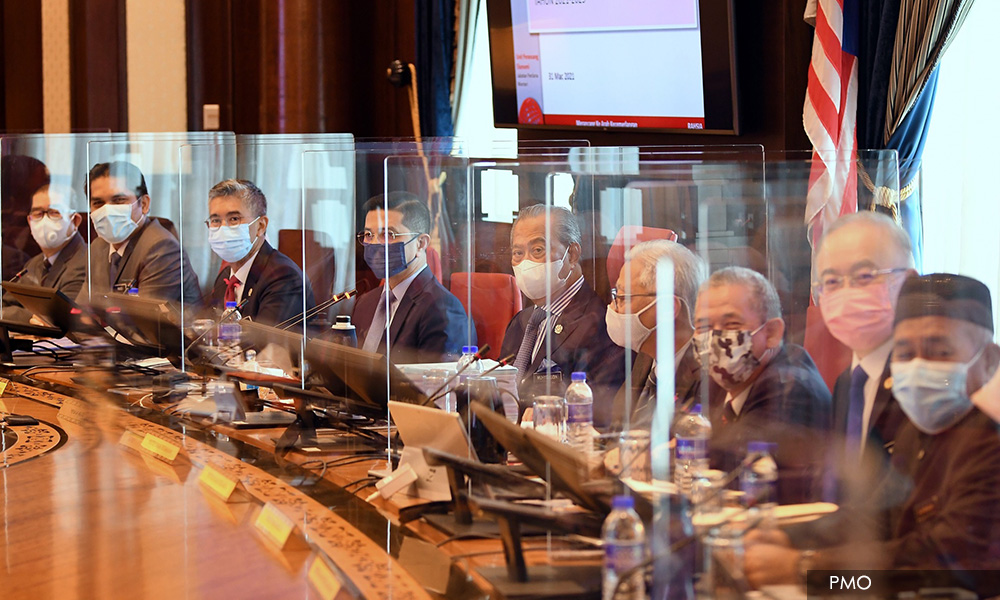
The study cited key promised reforms such as the establishment of the Media Council of Malaysia, abolishing or amending repressive laws including Section 233 of the Communications and Multimedia Act 1998, Sedition Act 1948, Anti-Fake News Act 2018 and the Printing Presses and Publications Act 1984.
Despite the Anti-Fake News Act being repealed, not much progress on the others was made before the toppling of the Harapan administration of Dr Mahathir Mohamad, who had been prime minister in an earlier 22-year spell under which media freedom was severely curtailed.
The study cited the raid by authorities on Al Jazeera's office in Kuala Lumpur over its documentary on the alleged mistreatment of migrants and the contempt of court charges against Malaysiakini as clear moves against the development of press freedom in the country.
“Foreign media in Malaysia is seen to be more marginalised because they have not been included in media lists or WhatsApp groups of the Prime Minister’s Office.
“Foreign media have also been excluded from invitations to any press conferences organised by cabinet ministers. Again, the convenient excuse used to disallow foreign media from attending these press conferences is by using Covid-19 restrictions.
"The only way for foreign media to gain access to information on the contents of press conferences by cabinet ministers is by having some sort of relationship with the ‘insiders'," the study revealed.
Sadly, the situation in Malaysia paled in comparison with the Philippines, which is rated as one of the most dangerous countries in the world in which to be a journalist.
Journalists under Thailand’s military government and the regime of Cambodia’s Prime Minister Hun Sen who first took power in 1979, are also operating under great restrictions and threats to their personal safety, while Indonesia is facing a barrage of social media disinformation campaigns, the study said.


Are you sure you want to delete this comment?
This action cannot be undone.