


EIA approval for Penang reclamation project revoked
The Department of Environment’s appeal board has revoked approval for the Penang South Islands (PSI) project’s environmental impact assessment (EIA) report.
This was the result of a successful appeal by local fishing community leader Zakaria Ismail.
In a statement today, Zakaria’s lead counsel...
The Department of Environment’s appeal board has revoked approval for the Penang South Islands (PSI) project’s environmental impact assessment (EIA) report.
This was the result of a successful appeal by local fishing community leader Zakaria Ismail.
In a statement today, Zakaria’s lead counsel Meenakshi Raman lauded the decision.
“This decision is very significant as it is not only important for the PSI case but all EIA approvals as well by the department.
“The appeal board decision is most important for understanding how the department’s director-general (DG) must make decisions to ensure that the projects for which EIAs are done are in accordance with the structure plans or local plans which are legally effective,” she said.
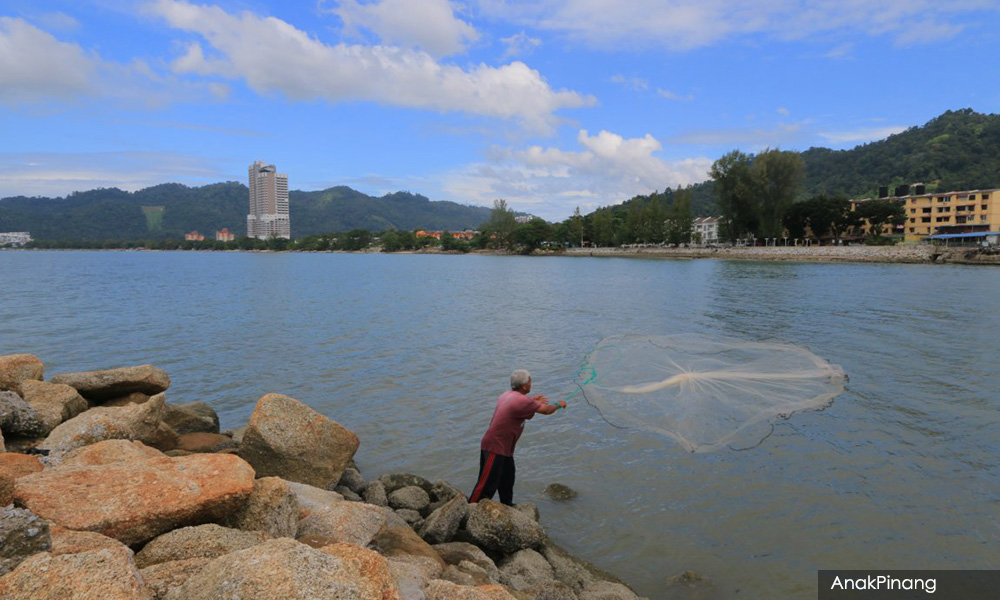
Zakaria leads a fisherfolk union in Sungai Batu, located at the southern coast of Penang Island.
EIA approval ‘premature’
According to Meenakshi, the appeal board held that it was “premature” for the department’s DG to approve the EIA based on the Penang Structure Plan 2030 even before the plan was officially gazetted.
The department had approved the EIA report for the state government project on June 25, 2019.
The Penang Structure Plan 2030 was gazetted four months later, on Oct 24, 2019.
“The preliminary objection by the appellant Zakaria was therefore allowed and the approval of the DG of the department on the PSI EIA is now set aside as it was ultra vires, null and void of Section 34A(4)(a) of the Environmental Quality Act 1974,” the lawyer said.
The section in question stipulates that the DG shall not approve an EIA which is not in accordance with a development plan or physical plan approved by the relevant approving authority.
The appeal board was chaired by Sessions Court judge Rozina Ayob and comprised UKM environmental specialist Mazlin Mokhtar and UPM EIA expert Ramdzani Abdullah.
Responding to the decision, the Penang government is now considering seeking a judicial review or submitting an updated EIA report for the project.
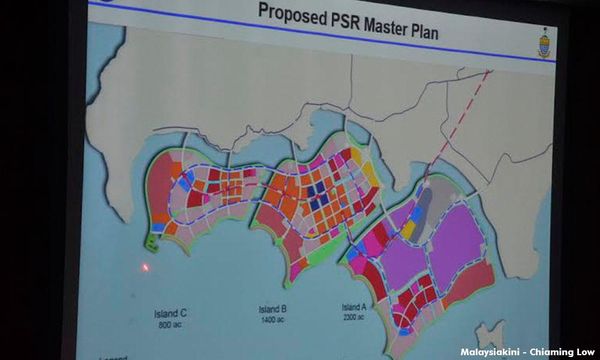
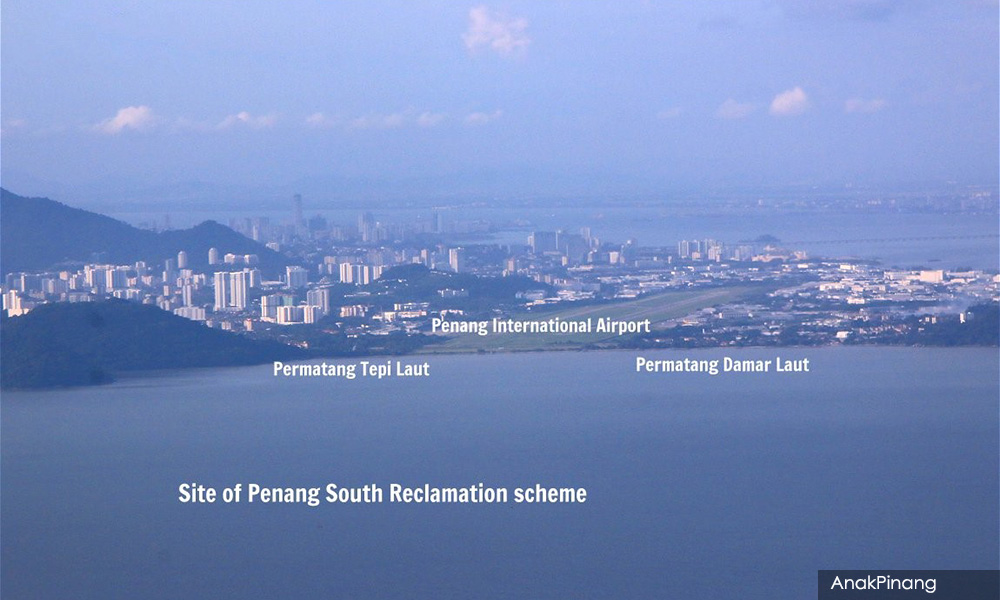
The PSI involves reclaiming three artificial islands to build industrial zones, tourist attractions, education hubs and housing projects, including affordable housing.
The islands will span 1,821ha, equivalent to the size of about 2,550 football fields.
The state government has promised that the project will be developed sustainably, touting its ability to create jobs and spur the economy.
The PSI project is meant to help fund multi-billion infrastructure projects detailed in the Penang Transport Master Plan.
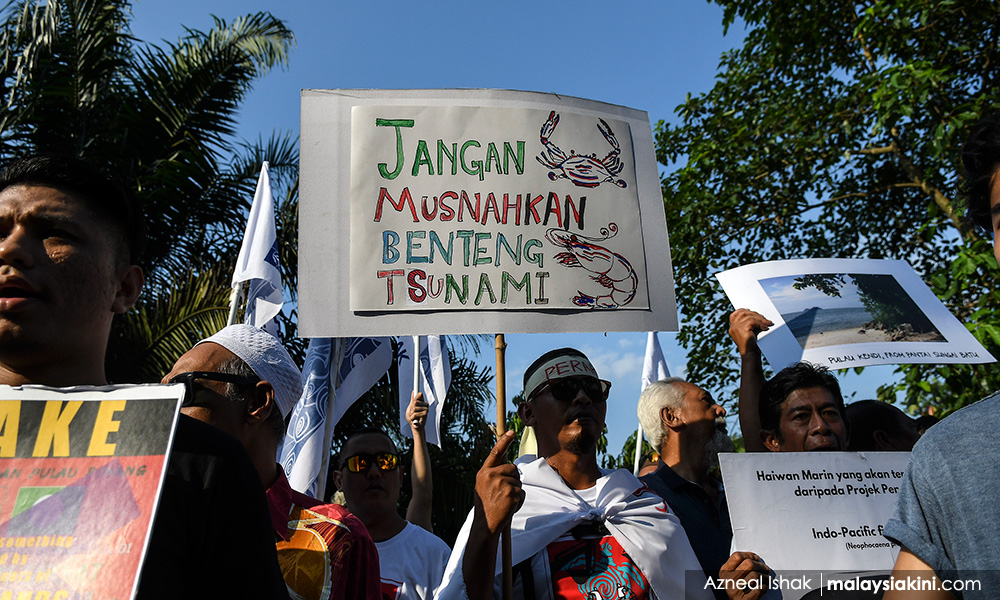
However, those who are against the project contend that it will jeopardise the livelihood of local fisherfolk and harm marine biology ecosystems.
Groups opposing the PSI are organised under the #PenangTolakTambak movement.




Report this comment
Are you sure you want to delete this comment?
This action cannot be undone.