



Govt will continue to negotiate with S'pore on reopening border
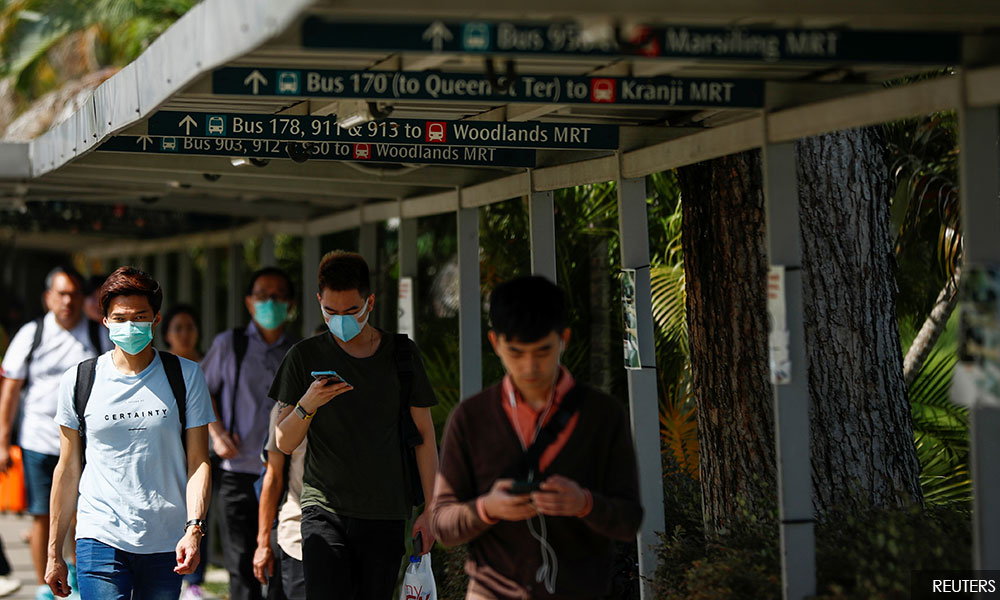
PARLIAMENT | The government will continue to negotiate with Singapore on the gradual reopening of the border which will depend on health conditions, said Foreign Minister Saifuddin Abdullah.
He said this included talks on the proposed daily cross-border movement known as the Daily Commuting Arrangement (DCA)...
PARLIAMENT | The government will continue to negotiate with Singapore on the gradual reopening of the border which will depend on health conditions, said Foreign Minister Saifuddin Abdullah.
He said this included talks on the proposed daily cross-border movement known as the Daily Commuting Arrangement (DCA).
Malaysia and Singapore will continue to implement stringent health regulations for cross-border movements as the spread of Covid-19 in both countries have yet to subside, he added.
“I understand that recently our Health Minister (Khairy Jamaluddin) had a telephone discussion with his Singapore counterpart, Ong Ye Kung, on the proposed reopening of the Malaysia-Singapore border.
"We pray and hope this will be resolved as soon as possible," he said when winding up the debate on the motion of thanks on the royal address at the Dewan Rakyat sitting today.
South China Sea
On the issue of aggression in the South China Sea, he said Malaysia will not compromise on matters that could affect national territorial integrity and sovereignty interests, including in the handling of complex South China Sea issues involving international relations.
He said the government had consistently submitted diplomatic objection notices to governments whose foreign vessels were found encroaching onto the country's waters and the action was taken in line with international laws and Malaysia's stand to protect the sovereignty of its territorial waters.
"The move is also in line with Malaysia’s stance of not recognising claimant countries’ claim of the South China Sea when the areas involved overlapped with the country's waters based on the 1979 New Malaysian Map," he added.
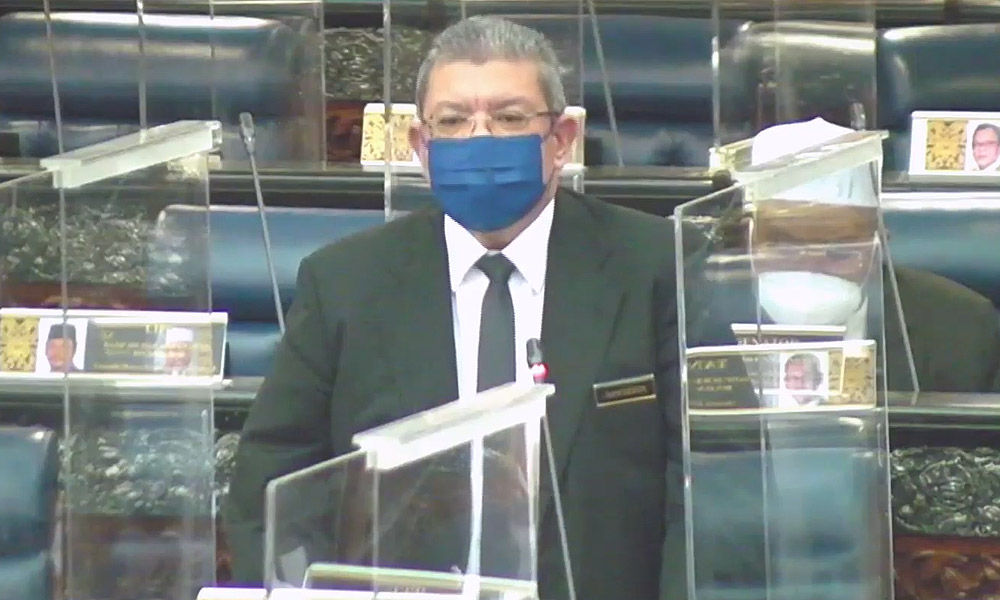
In another development, Saifuddin said the selection of East Kalimantan as Indonesia's new capital city to replace Jakarta could contribute to the local economy, especially Sabah and Sarawak, in terms of trade flows benefitting the tourism sector.
He said the relocation is also expected to open up abundant opportunities for Malaysian investors in East Kalimantan as Malaysian property developers would be participating in the capital city's development projects.
Meanwhile, he said the government has agreed with Wisma Putra's proposal for Parliament to set up a Special Select Committee for International Affairs.
- Bernama


Report this comment
Are you sure you want to delete this comment?
This action cannot be undone.