




Azalina: Drug law reforms vital as 63pct of prison inmates minor offenders
Former law minister Azalina Othman Said has highlighted the urgent need for drug law reforms in Malaysia, saying that 63 percent of prison inmates in Malaysia are there for minor drug offences.
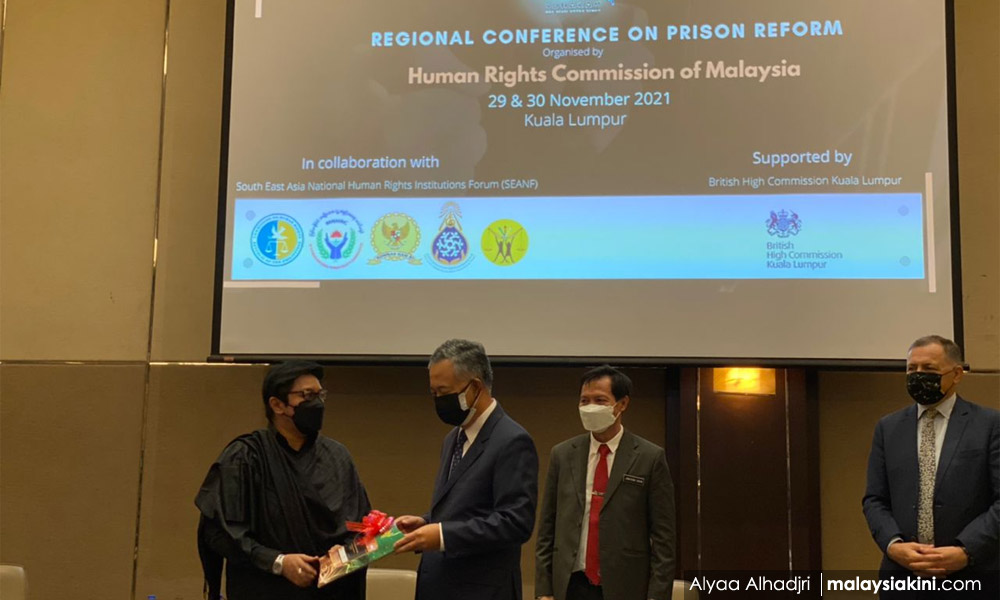
In delivering the keynote speech at Suhakam's Prison Reform Regional Conference, Azalina said that the present time was a window of opportunity that must not be wasted.
"I wish to see reforms made to policies...
Former law minister Azalina Othman Said has highlighted the urgent need for drug law reforms in Malaysia, saying that 63 percent of prison inmates in Malaysia are there for minor drug offences.
In delivering the keynote speech at Suhakam's Prison Reform Regional Conference, Azalina said that the present time was a window of opportunity that must not be wasted.
"I wish to see reforms made to policies on criminal justice, starting with simple reform in drug offences legislation and sentencing policies.
"Some 63 percent of inmates in Malaysia are sentenced for minor drug offences.
"This provides us with a window of opportunity to immediately divert 63 percent of the prison population to alternatives to detention and diversion programmes," she said in addressing human rights activists from Thailand, the Philippines, Myanmar, Indonesia and Timor Leste, as well as Malaysia.
Azalina (above), who is Pengerang MP, added that decriminalisation of suicidal attempts should also be treated in the same manner for similar reasons.
Over the last few years, there have been substantial discussions on amending drug-related laws but despite policy announcements by the Pakatan Harapan government, no law was changed.
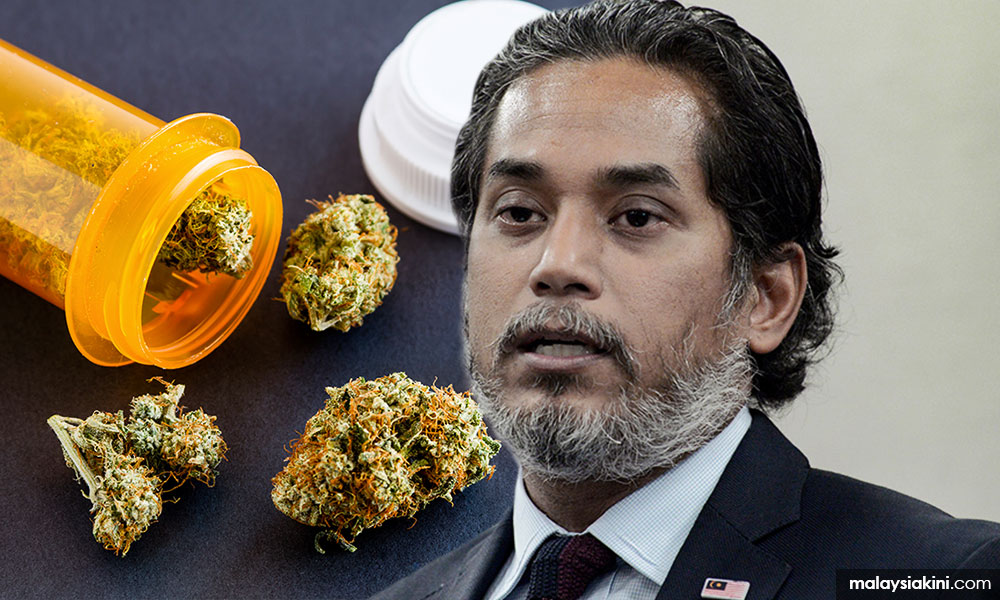
Earlier this month, Health Minister Khairy Jamaluddin said that products containing cannabis used for medicinal purposes can be imported and used in Malaysia if the product is in compliance with the requirements of the law.
Khairy said the existing acts that regulate cannabis in Malaysia are the Dangerous Drugs Act 1952, Poisons Act 1952 and the Sale of Drugs Act 1952, which do not prohibit the use of cannabis for medicinal purposes.
He also said that products containing cannabis should be registered with the Drug Control Authority (DCA) as prescribed by the Control of Drugs and Cosmetics Regulation 1984 under the Sale of Drugs Act.
However, despite this development, there are still cases of individuals facing the death penalty due to medical marijuana possession.
Recently, following the violent death of a marijuana smoker at a rehabilitation centre in Kubang Pasu, Kedah, Malaysian Awareness Society vice-president Harish Kumar pointed out that there were three separate but related issues that were addressed as policies by the Harapan government but not changed into law.
The first was that of legalising the sale and possession of medical marijuana, which has now been addressed by Khairy.
The second was that of decriminalising small quantities of possessions of drugs so that addicts can be treated as patients, not criminals.
This was announced by previous health minister Dzulkefly Ahmad as a policy change but has not been made a law.
The third was the removal of the mandatory death penalty as part of the sentencing under the Dangerous Drugs Act. This was under review by former Law minister Liew Vui Keong, but similarly, was not been enacted upon by the time the Harapan government fell.



Report this comment
Are you sure you want to delete this comment?
This action cannot be undone.