




MIC man slams 'irresponsible' party for harping on vernacular schools
Former Cameron Highlands MP Sivarraajh Chandran has criticised Bersatu Youth leader for harping on the abolition of vernacular schools in order to strengthen the Malay language.
In a statement today, he cautioned that the calls to abolish vernacular schools to strengthen Bahasa Malaysia may risk jeopardising national unity...
Former Cameron Highlands MP Sivarraajh Chandran has criticised Bersatu Youth leader for harping on the abolition of vernacular schools in order to strengthen the Malay language.
In a statement today, he cautioned that the calls to abolish vernacular schools to strengthen Bahasa Malaysia may risk jeopardising national unity.
The Taman Bukit Kuchai Baru MIC branch chief said it was irresponsible to turn vernacular schools into a punching bag in order to be seen as the national language fighter for political gain.
"I follow closely the ongoing efforts of several parties, especially Bersatu Youth, which opined that the Malay language can only be upheld as the national language if vernacular education is abolished.
"For me, such a view is nothing more than another fundamentalist political rhetoric that will continue to widen the gap of unity among Malaysians of various races, religions and cultures," Sivarraajh said in a statement today.
Deputy National Unity Minister Wan Ahmad Fayhsal Wan Ahmad Kamal, who in August 2020 reportedly called for vernacular schools to be phased out, clarified on Monday that he merely wanted the institution to strengthen the Malay language and not abolish them.
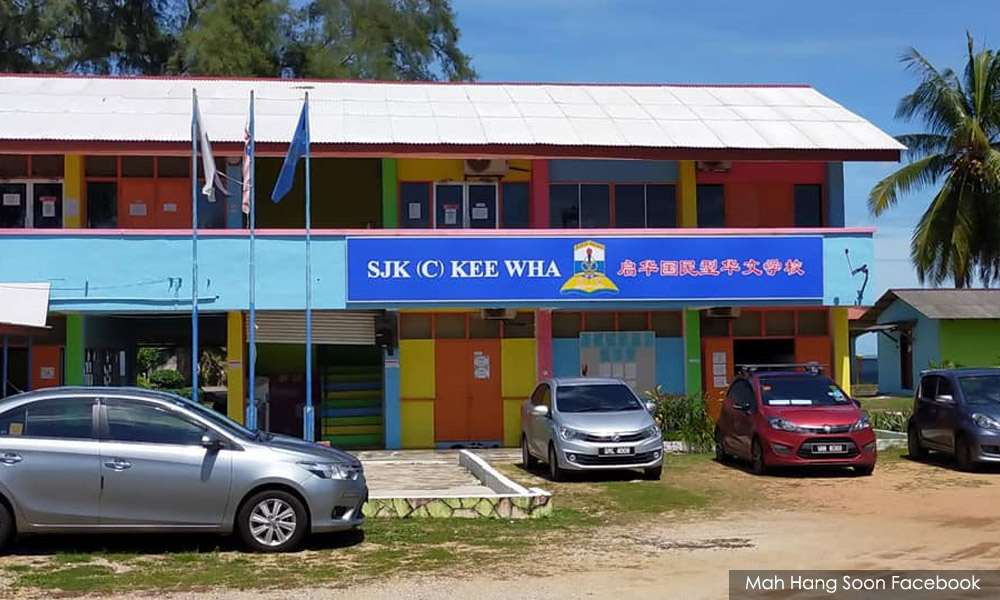
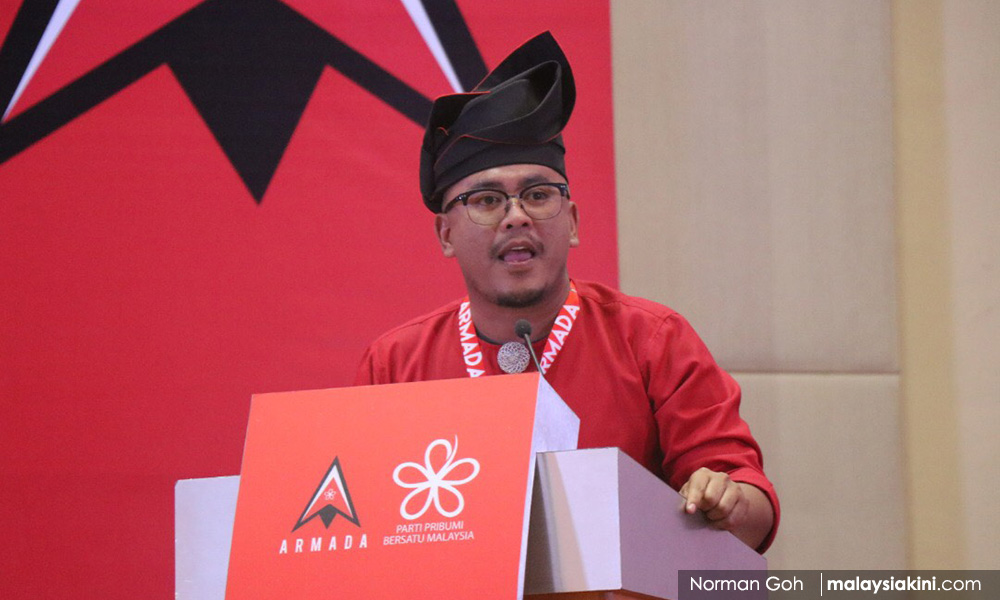
On Nov 29, Bersatu Youth information chief Mohd Ashraf Mustaqim Badrul Munir said the syllabus in vernacular schools deviates from Malaysian history and has failed to uphold the national language.
Ashraf said Bangladeshis, Pakistanis, and Nepalese who only stay in the country for a few months can speak better Malay than some of the non-Malay students in vernacular schools.
Sivarraajh said he agrees that vernacular education is a colonial legacy system and he stressed that the importance of its existence has been acknowledged through a series of discussions in the early period of the Malaysian nation.
The Razak Report 1956 enabled the existence of a national and vernacular education system, with Malay as the main medium of instruction while other languages are allowed as the medium of instruction in vernacular schools, he said.
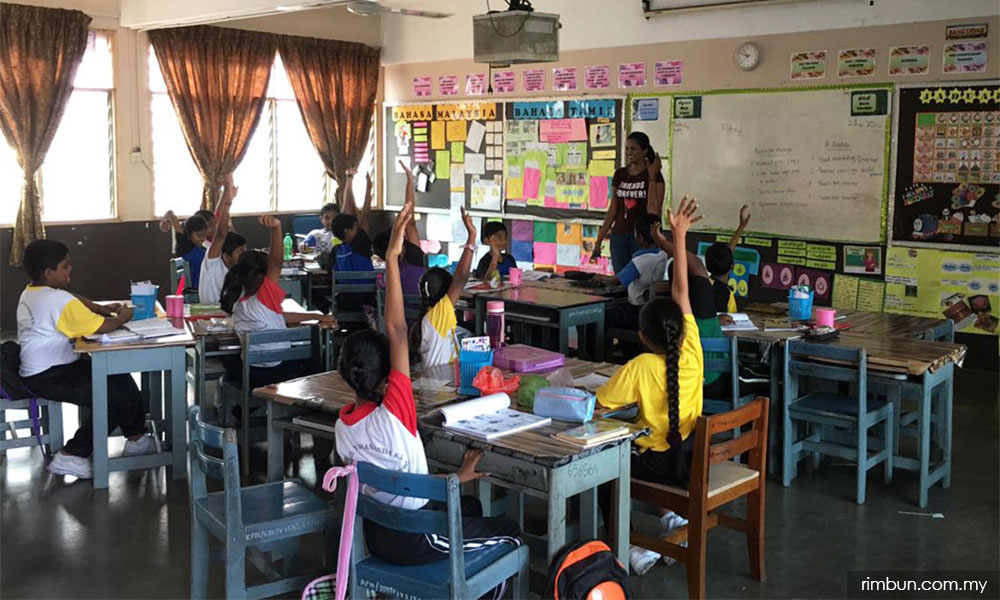
"The Razak Report not only confirmed the unofficial tolerance for the existence of both education systems but also reflected the spirit of unity as the basis for nation-building," Sivarraajh said.
"Turning the vernacular education system into a punching bag in order to be seen as a national language fighter is irresponsible.
"Can the Malay language be given supremacy by abolishing vernacular education? Why is it that no one wants to see the real failure to uphold Malay as the national language is the result of the attitude that shows Malay as a language owned by certain groups only.
"The Malay language, in the context of the national language, belongs to all Malaysians, instead of one particular ethnic group," he said.
Efforts to strengthen the Malay language as the national language cannot be fully implemented if parties harp on such a fundamentalist view, he said.
"Many Indians or Chinese, and even vernacular education graduates, are much more fluent in the Malay language today. Don't issue such half-baked statements or views just to look like a hero and gain political support," Sivarraajh said.





Are you sure you want to delete this comment?
This action cannot be undone.