


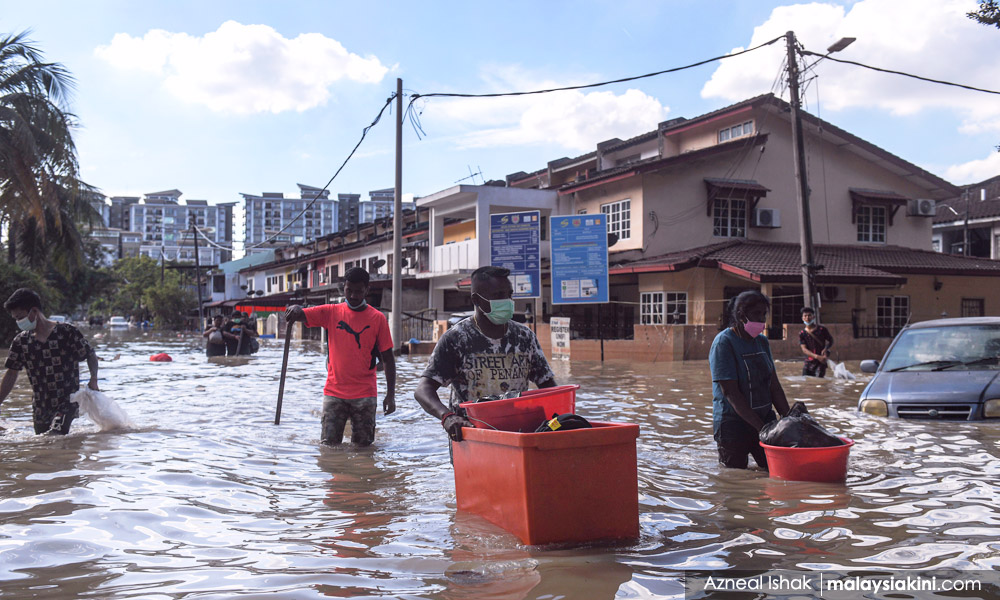

MP SPEAKS | If poverty is multidimensional, flood relief must be equally so
MP SPEAKS | Minister in the Prime Minister's Department (Economy) Mustapha Mohamed’s decision to adopt the Multidimensional Poverty Index (MPI), a comprehensive methodology which takes into account the deprivations and realistic needs of households on the ground, for use by all major government stakeholders in the name of designing more efficient and targeted poverty alleviation programmes, must first begin by measuring the areas hit hardest by both the pandemic and the ongoing flood emergency - dual tragedies worsened through La Ninã.
The decision by Mustapha followed results from the Multidimensional Poverty Index study announced in Parliament back in July 2021. This study calculated the varying dimensions of poverty experienced by 332 B40 households in Permatang Pauh.
Nine dimensions of deprivation were measured, and three of these specifically concerned Covid-19-related impacts. During my speech back in July, I also warned of the danger Malaysians would face should the authorities fail to take precautionary measures in the lead-up to the monsoon season.
The triple crisis of the pandemic, flooding and poverty would burden us all if we do not equip ourselves with the right policies, preventative strategies and cross-agency programmes...
MP SPEAKS | Minister in the Prime Minister's Department (Economy) Mustapha Mohamed’s decision to adopt the Multidimensional Poverty Index (MPI), a comprehensive methodology which takes into account the deprivations and realistic needs of households on the ground, for use by all major government stakeholders in the name of designing more efficient and targeted poverty alleviation programmes, must first begin by measuring the areas hit hardest by both the pandemic and the ongoing flood emergency - dual tragedies worsened through La Ninã.
The decision by Mustapha followed results from the Multidimensional Poverty Index study announced in Parliament back in July 2021. This study calculated the varying dimensions of poverty experienced by 332 B40 households in Permatang Pauh.
Nine dimensions of deprivation were measured, and three of these specifically concerned Covid-19-related impacts. During my speech back in July, I also warned of the danger Malaysians would face should the authorities fail to take precautionary measures in the lead-up to the monsoon season.
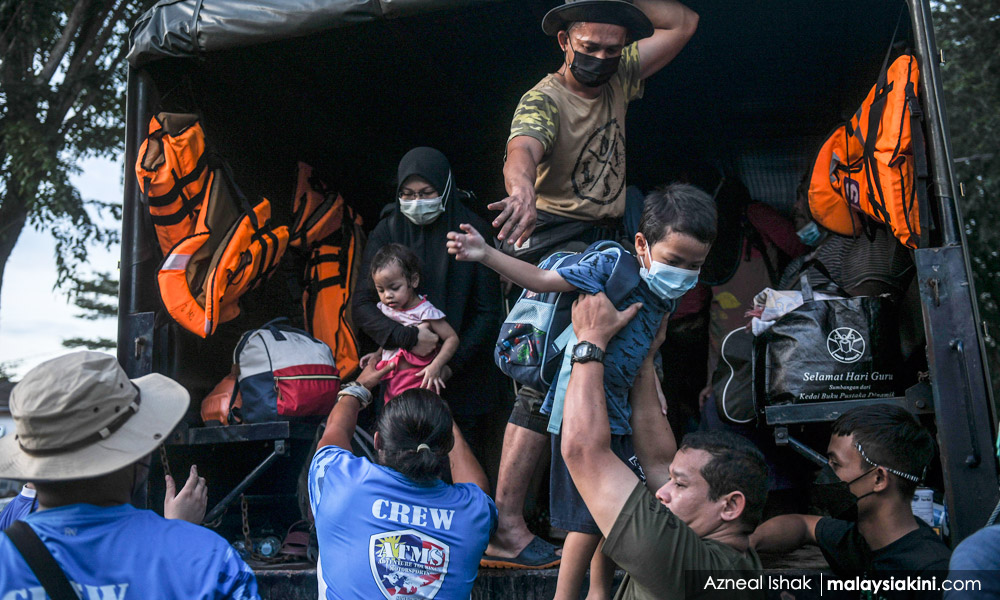
The triple crisis of the pandemic, flooding and poverty would burden us all if we do not equip ourselves with the right policies, preventative strategies and cross-agency programmes for a future-proof, crisis-proof Malaysia.
The study could only come into being thanks to the 332 households who opened their doors and hearts to share their realities on the ground as they grappled with poverty post-Covid-19, and not to forget the 14 enumerators of Permatang Pauh who went out into the field (in a pandemic) to collect data and distribute aid across a span of 14 days.
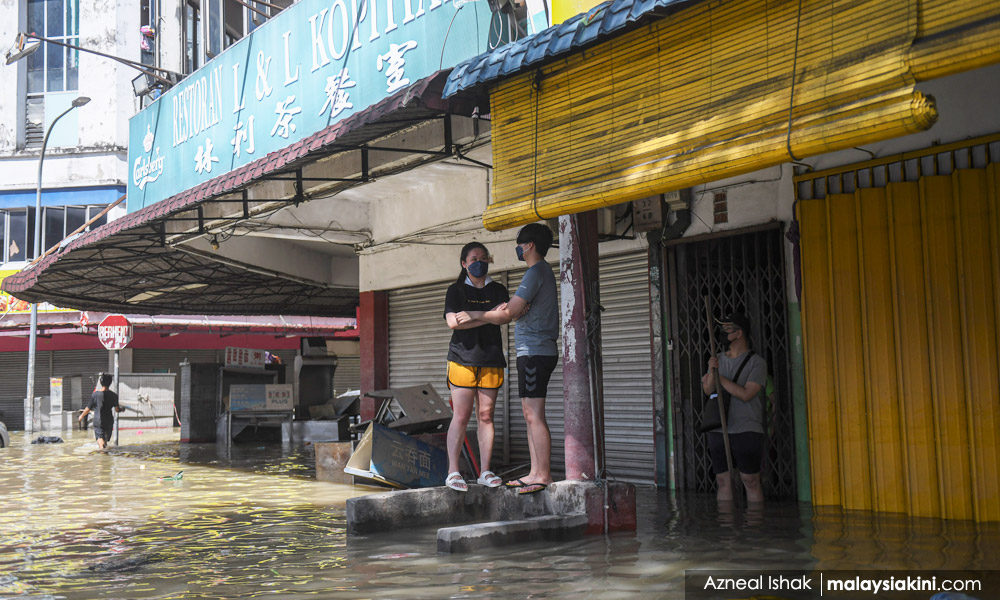
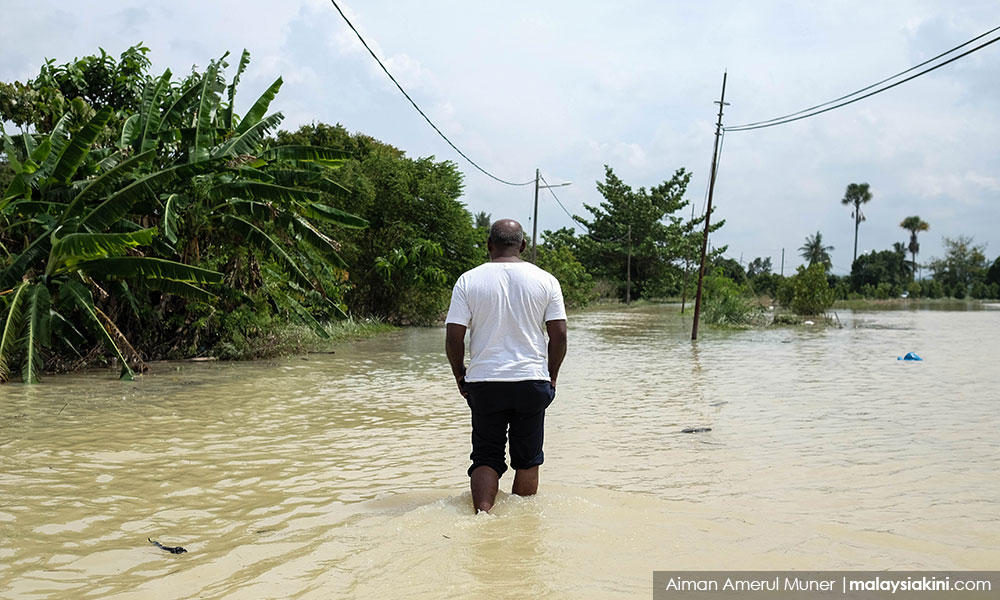
Specific Covid-19 related dimensions including access to the internet and digital devices are now being considered for inclusion in the new and improved national MPI; however, we must also be sure to take into account the impact of the devastating floods that has caused many to lose their homes, the dire state of the rakyat’s dwindling savings, and even issues of nationality as the floods destroyed not only property but also important legal documents and certificates.
Since 2020, an estimated 580,000 to 1,000,000 households have reportedly slipped from the M40 category into the B40 segment. The flooding crisis is further exacerbated with the rise of new Covid-19 clusters as a direct result of the disaster and the associated flood rescue efforts - impacting over 71,000 individuals to date.
The MPI was first introduced several years ago under the 11th Malaysia plan. Unfortunately, due to the inadequacy of the metrics used, these measurements were unable to be formally recognised by the UN - a flaw highlighted by the Special Rapporteur on extreme poverty and human rights Philip Alston himself on a visit to Malaysia back in 2019.
With a calculated MPI of 0.0033 and an official poverty rate of 0.4 percent, these figures were deemed too low to be a meaningful reflection of poverty in Malaysia.
The MPI study headed by Professor Fatimah Kari - with work beginning as far back as 2019 - was the first of its kind to take into account the impacts of the pandemic on deprivation in Malaysia.
The dimensions studied included housing, the education of heads of households, sanitation, access to water, health, and electricity, with three additional dimensions relating to Covid-19 impacts including comfort within the household (especially during lockdowns), losses of incomes and livelihoods due to the movement restriction order and also deprivations associated with online learning.
We must ensure that the National Recovery Plan is properly executed - as the rakyat continues to bear Covid-19’s socioeconomic impacts - before the recent onslaught of the floods. Taking into account the staggering number of those affected by the floods, the lives lost, the National Recovery Council’s work is only just beginning.
We must continue to remain vigilant and proactive vis-à-vis our short- and long-term action plans, taking into account the joint efforts by NGOs and individual volunteers who have from the very beginning powered ongoing relief work.
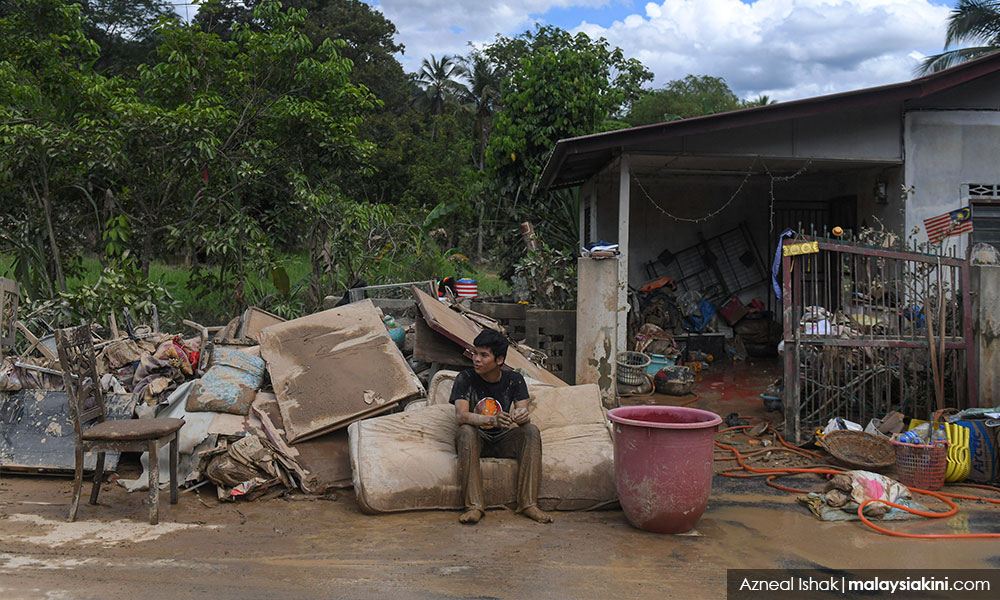
The National Recovery Council must think of ways to support the 71,000 individuals affected - currently, we have the RM100 million allocation recently announced, and RM1,000 distributed to each head of household (totalling an estimated RM17.75 million for an average four-person household), and RM75.8 million in donations from government-linked companies, including other forms of conditional aid from businesses, corporations and various entities.
The question that remains is: is this estimated RM6,600 per household enough? In contrast, in 2020 the National Disaster Management Agency (Nadma) received RM129 million, while the National Security Council received RM 1.4 billion for their operations.
Imagine now: each affected (four-person) household requires at least RM30,000 distributed in stages to meet their multidimensional needs - this adds up roughly to RM532 million. Indeed, an MPI calculation for households will allow the authorities to decide on the most meaningful forms of aid.
We must continue to persevere, not only in terms of preparing future-proof mitigation strategies to face increasingly severe climate events but also in measuring the varying dimensions of poverty so that our programmes and policies are able to benefit the greatest number of people.
Only recovery plans that are empathetic, comprehensive and realistic are able to sufficiently safeguard the wellbeing of the rakyat.
NURUL IZZAH ANWAR is the Permatang Pauh MP.
The views expressed here are those of the author/contributor and do not necessarily represent the views of Malaysiakini.



Are you sure you want to delete this comment?
This action cannot be undone.