



Omicron positive Indonesian traveller came from Semenyih depot - KJ
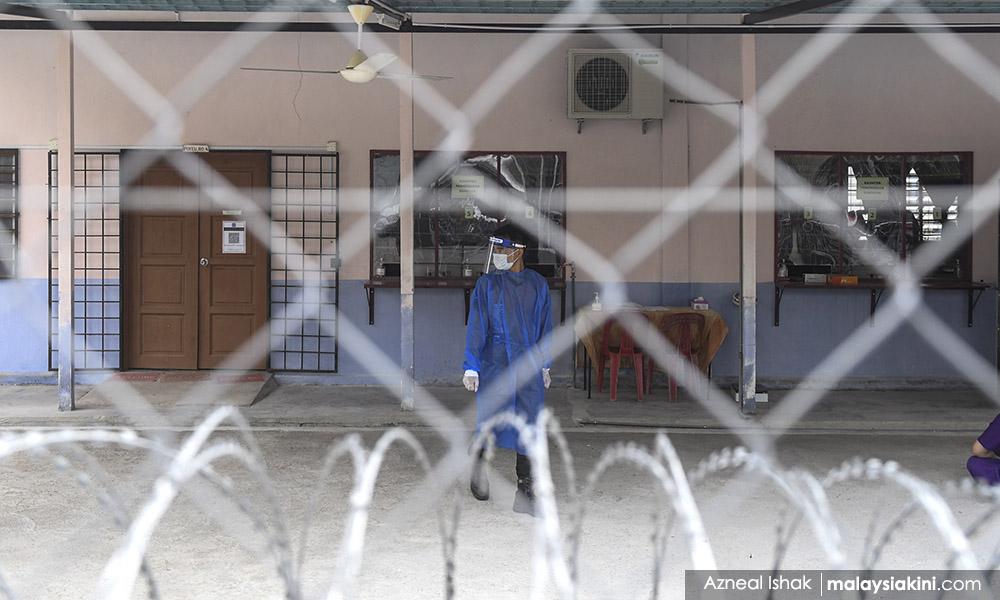
COVID-19 | An Indonesian traveller found positive for the Omicron variant after returning to his home country from Malaysia was a detainee at the Semenyih Immigration Department's detention depot, said Khairy Jamaluddin.
The health minister told a press conference this morning that the case involves a 20-year-old man who was arrested by the authorities on Sept 22 together with three friends, and all of them had tested negative for Covid-19 before they were placed in the depot on Sept 23...
COVID-19 | An Indonesian traveller found positive for the Omicron variant after returning to his home country from Malaysia was a detainee at the Semenyih Immigration Department's detention depot, said Khairy Jamaluddin.
The health minister told a press conference this morning that the case involves a 20-year-old man who was arrested by the authorities on Sept 22 together with three friends, and all of them had tested negative for Covid-19 before they were placed in the depot on Sept 23.
Khairy said they suspect the man had caught the virus sometime between his arrest and deportation on Dec 10, and the health authority is investigating the source of infection.
"We are looking at the depot now. The ministry is working together with the Immigration Department.
"We are working with immigration to pick up any positive cases and do genotyping assay to see if there is any presumptive Omicron case there," he said, referring to a type of laboratory test used to detect possible Omicron cases.
According to Khairy, the man was deported to Indonesia together with one of his friends he was arrested with. The friend was tested a second time in Indonesia and found negative for Covid-19. The two others were already released by immigration on Sept 24 as they possessed valid documents.
The minister said the Immigration Department has strict standard operating procedures (SOP) to prevent the spread of Covid-19 in its detention depots, where all detainees must be tested for the coronavirus first before they are placed there, and once again before they leave.
"I will have a word with immigration on the condition in the depot itself."
Home quarantine concern
During the presser, Khairy expressed the Health Ministry's concern over overseas returnees ignoring SOPs during their home quarantine, where many did not fully isolate themselves from other family members.
This includes many pilgrims who just returned from performing Umrah in Saudi Arabia.
According to him, many of them did not stay in their room throughout the required quarantine period and instead moved around their house and met with other family members.
Some even received visitors including friends and neighbours.
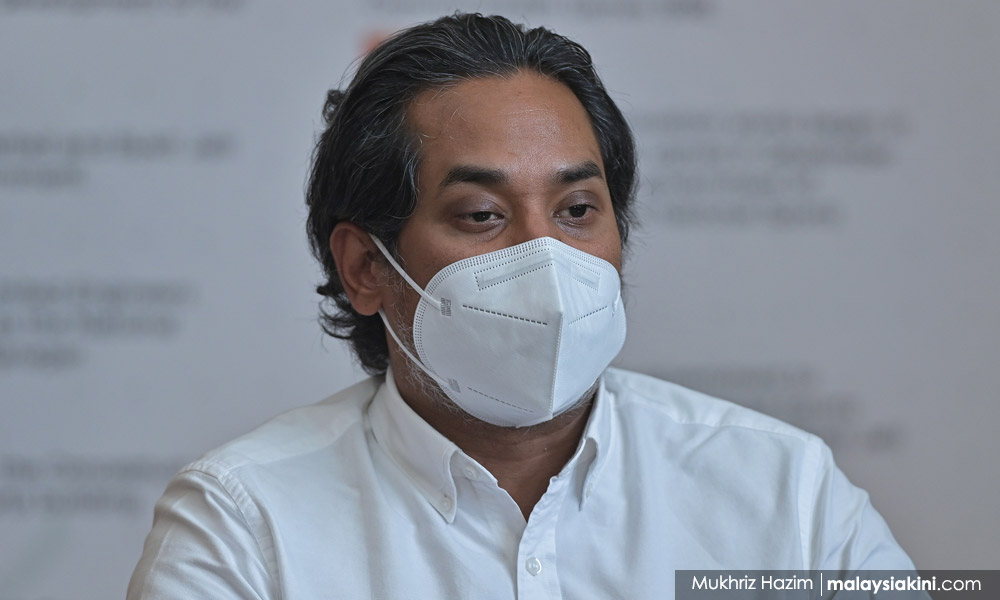
He warned that such action was very risky, given that many tested Covid-19 positive upon arrival in Malaysia, despite testing negative prior to their departure.
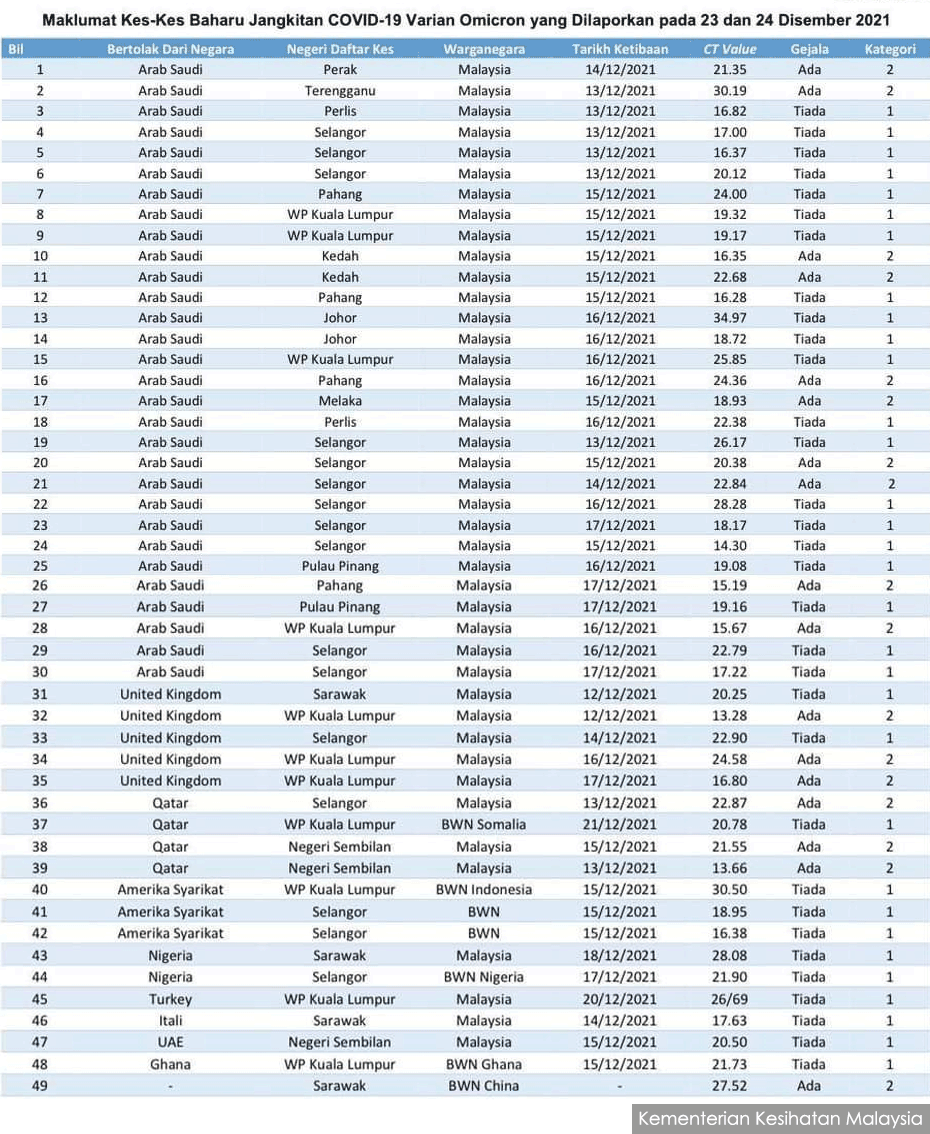
"From the Omicron cases that were reported between Dec 23 and Dec 24, the ministry detected a total of 49 cases. And 30 of them came from Saudi Arabia, among pilgrims who just returned from performing umrah.
"We found that most of them did not follow the SOP to isolate themselves from family members. They would return and meet with their family and relatives and even receive visits from neighbours and friends.
"Maybe these people want to shake hands to get blessings (from the pilgrim), but instead they get Omicron," Khairy said.
Other than the 30 cases from Saudi, the rest were detected among returnees from the UK (5), Qatar (4), United States (3), Nigeria (2), and one each from Turkey, Italy, United Arab Emirates and Ghana.
Khairy said that the ministry will include Saudi Arabia in its list of Omicron high-risk countries, alongside the UK, US, Denmark, Australia, France, Norway, Canada, India and Nigeria.
Travellers who arrive in Malaysia from countries that are on the Omicron high-risk list will have to undergo mandatory seven-day quarantine and wear a digital tracking device to ensure compliance.
Possible local transmission
The minister said that to date, a total of 62 Omicron positive cases have been detected in the country, of which 61 were imported.
The remaining case is feared to be a possible local transmission, he said, which involves a 38-year-old Chinese national who has been working at an engineering company in Sarawak for the past three years.
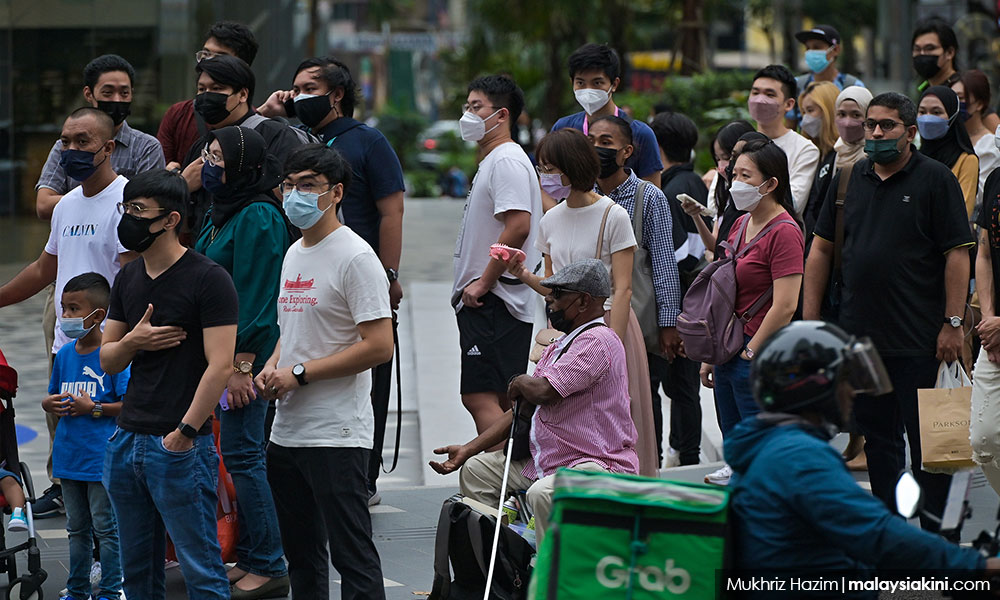
The patient has no overseas travel history in the past three years.
"He was tested for Covid-19 on Dec 18, after he developed fever and coughing since Dec 13.
"He tested positive and was admitted to the quarantine centre under the Sarawak General Hospital before a sample was sent to Universiti Malaysia Sarawak, which confirmed on Dec 23 that he had Omicron.
"We have yet to determine the source of infection. An investigation is ongoing," Khairy said.
Following this, the Health Ministry has identified two close contacts who have been tested and found negative. Both have been ordered to undergo a 14-day quarantine.
Cases among flood victims
On Covid-19 cases among flood victims, Khairy said a total of 405 positive cases have been detected as of yesterday.
Selangor continues to be the highest with 285, followed by Pahang (103), Kelantan (11), and one each in Negeri Sembilan, Malacca and Kuala Lumpur.
From the number, only one was in Category 3 of infection, while the rest were in Category 1 and 2.




Are you sure you want to delete this comment?
This action cannot be undone.