



Ministry mulls taking action against 1.4pct who broke home quarantine
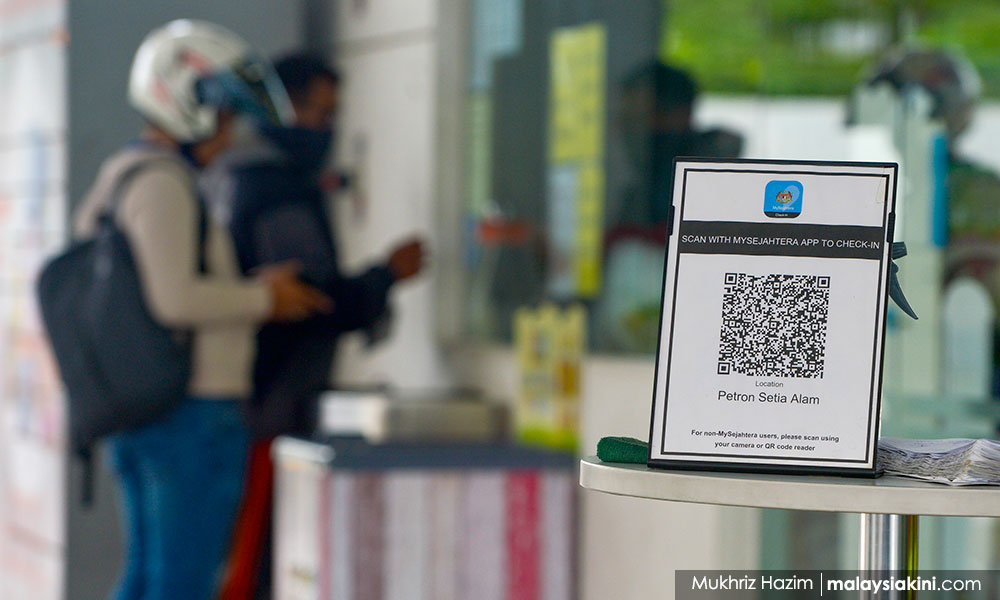
The Health Ministry is contemplating taking action against those who violated their home surveillance orders (HSO) and had check-in records on their MySejahtera history during their quarantine period.
He said between Dec 1 and 28, 1.4 percent of people recorded as being under HSO in the application were found to have checked in at premises when they were supposed to stay home.
“Before this we didn’t take action but...
The Health Ministry is contemplating taking action against those who violated their home surveillance orders (HSO) and had check-in records on their MySejahtera history during their quarantine period.
He said between Dec 1 and 28, 1.4 percent of people recorded as being under HSO in the application were found to have checked in at premises when they were supposed to stay home.
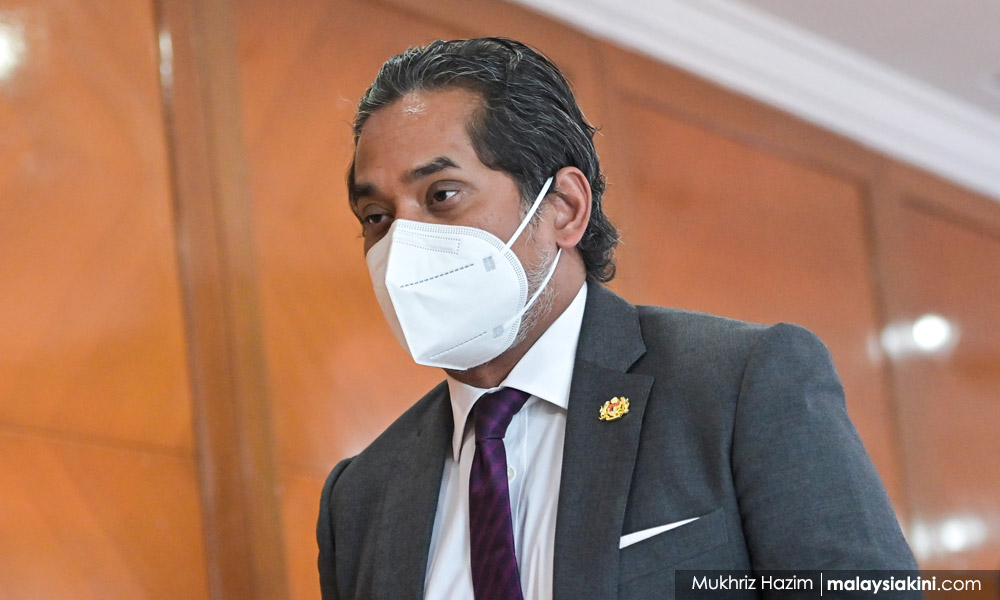
“Before this we didn’t take action but seeing as there are people (violating the HSO), even if it is 1.4 percent, maybe we need to take action against those who repeatedly go out or check-in when they should be at home,” Khairy said at a press conference in Putrajaya today.
Meanwhile, he said the government’s advice for the upcoming New Year’s Eve celebrations is similar to the one for Christmas, that is to self-test for Covid-19 before attending any events involving people from other households.
While the government allows small-scale celebrations and private events, he stressed the importance of practising private health measures such as self-testing to ensure the spread of the Omicron variant can be controlled.
He pointed to the recent state elections in Malacca and Sarawak as well as the Christmas celebrations which did not result in a spike in Covid-19 cases because most people adhered to the standard operating procedures (SOPs).
“So for us to avoid an increase of cases due to New Year’s Eve celebrations, I implore everyone to always practice public and private health measures and to do self-test before attending any celebrations with other households.
“Omicron is here. What we want to do is slow down the spread of it,” he added.
MySJ Trace concerns
Khairy also addressed concerns about the new function added to the MySejahtera app called MySJ Trace, which will alert people when they have been in close proximity with someone who later tested positive.
The function, which utilises the Bluetooth Low Energy (BLE) technology, has been optimised so it will only detect those within a certain range, he said.
He also noted that those who have been detected as having been in contact with someone who later tested positive will only be flagged as casual contact.
Casual contacts will still be able to move around, but they will be required to do a self-test.

“It is about community empowerment. We do not want to quarantine people immediately.
“We will just say that your Bluetooth signal has picked up that you were within one metre of someone who later tested positive,” he explained.
As they are using BLE, it will not be too taxing on the battery usage of electronic devices, Khairy said.
He added that those concerned about battery usage can turn their Bluetooth off when they are at home.
It is imperative, he said, for this new feature to be used by as many people as possible as it would not be very useful otherwise.
Khairy pointed out that this new approach from the government is because the country needs to learn to live with Covid-19.
This is as the people have made it clear that they do not want to be forced anymore with Covid-19 health measures, so the government has decided to take a more encouraging approach, he said.
“As we move to live with Covid-19, there will not be anymore forcing.
“We must encourage each other to use the technology and the tools that we have to ensure that we can break the chain of transmission of Covid-19,” he added.
However, Khairy warned that if the situation deteriorates, harsher action might be taken.


Report this comment
Are you sure you want to delete this comment?
This action cannot be undone.