
Parents can register 5 to 12-year-olds for Covid-19 vaccines soon
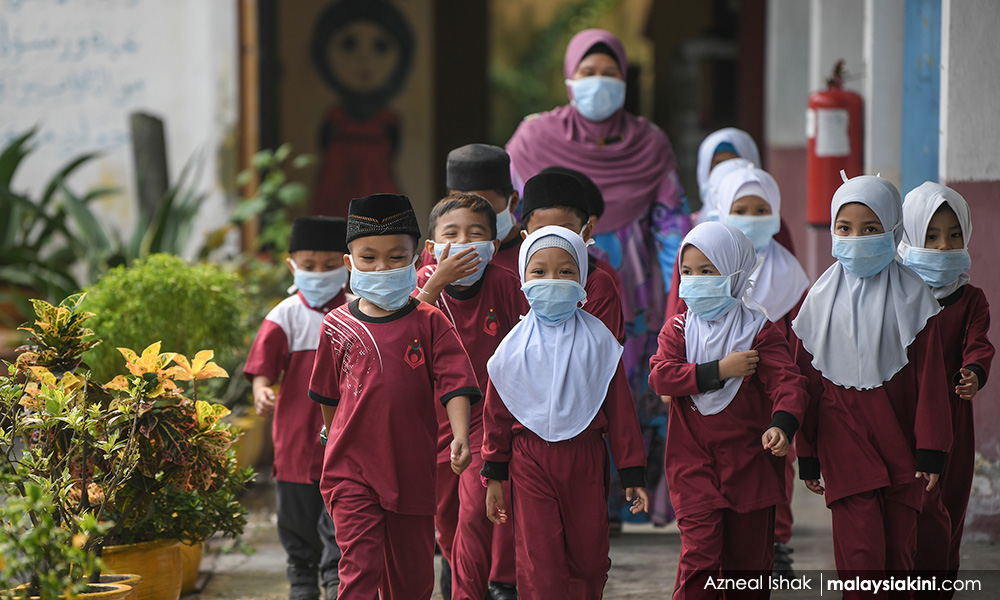
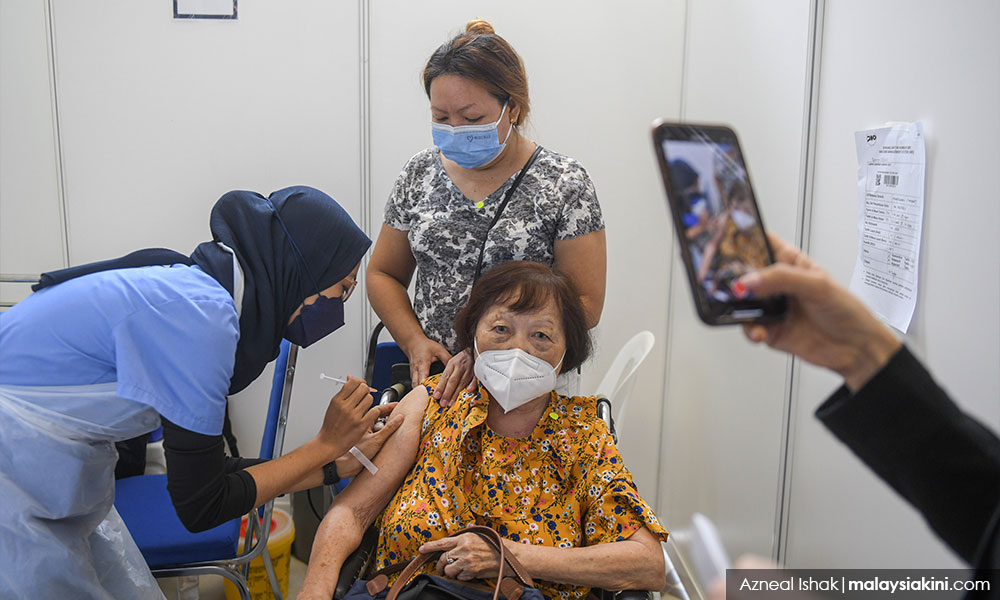
The Health Ministry will open registrations soon for parents to sign up their children aged five to below 12-years-old to be vaccinated against Covid-19.
This followed the approval of the paediatric formulation of Pfizer’s Covid-19 vaccine on Jan 6, which is one-third the dosage used for vaccinating adolescents and adults.
“The appointment reservation system through MySejahtera will open...
The Health Ministry will open registrations soon for parents to sign up their children aged five to below 12-years-old to be vaccinated against Covid-19.
This followed the approval of the paediatric formulation of Pfizer’s Covid-19 vaccine on Jan 6, which is one-third the dosage used for vaccinating adolescents and adults.
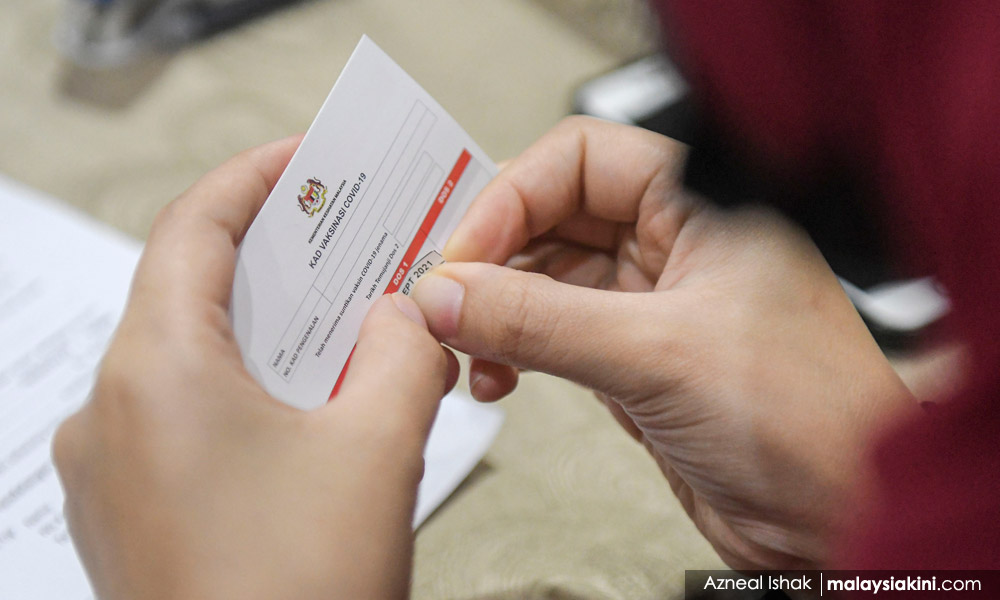
“The appointment reservation system through MySejahtera will open in late January 2022. For a start, parents can begin registering children as their dependents in the MySejahtera app.
“Bookings for vaccinating children aged five to below 12 will open gradually in stages from Jan 31, 2022, starting with parents living in the Klang Valley,” said Health Minister Khairy Jamaluddin.
The vaccination programme for children aged five to below 12 years old will kick off on Feb 3 at Tunku Azizah Hospital, Kuala Lumpur.
Children with chronic illnesses that put them at a higher risk of Covid-19 complications are prioritised at the start of the programme.
Those prioritised include children with:
- Chronic respiratory diseases
- Cardiovascular diseases
- Immunosuppression
- Diabetes
- Chronic kidney disease
- Neurological diseases
- Unrecorded leave for parents
Unrecorded leave for parents
Khairy also urged employers to provide unrecorded leave for parents to bring their children to vaccine appointments and to care for their children post-vaccination.
Although children are less likely than adults to suffer severe Covid-19 symptoms, there are still some who required hospitalisation and intensive care.
Khairy said there have been 144 deaths among those below 18 years old out of the 31,831 Covid-19 deaths to date in the country, including 31 cases among those aged five to 11.
Moreover, there is an increase in child hospitalisation in countries where the Omicron variant is dominant, and the variant is expected to become prevalent in Malaysia in February or March.
Children can also suffer prolonged symptoms known as ‘Long Covid’ following Covid-19 infection.
In addition, about one in 3,200 child Covid-19 survivors are affected by multi-system inflammatory syndrome in children (MIS-C).
“These children (with MIS-C) can suffer severe symptoms including prolonged fever, inflammation of various organs including the heart (myocarditis), lungs, kidneys, skin, eyes, intestines, and so on.
“Children also suffer indirect effects to their social life especially in terms of schooling and education. This has knock-on effects on their psychology and overall social development,” he told the press conference at the parliament building today.
The minister said the paediatric version of the Covid-19 vaccine has 90.7 percent efficacy in clinical trials.
It also had adverse reactions such as injection-site pain, fatigue, head and muscle aches, shivers, and fevers. Most of the time, the effects are of mild-to-moderate severity and short-lived.
Based on monitoring of 8.7 million doses of the paediatric vaccine administered in the US, the incidence of adverse events following immunisation is also far lower among children than adolescents, he said.
Vaccine orders
Khairy said Malaysia has ordered 6.6 million doses of the vaccine, which will be enough to fully vaccinate all children in that age group. The first shipments are expected to arrive on Jan 31.
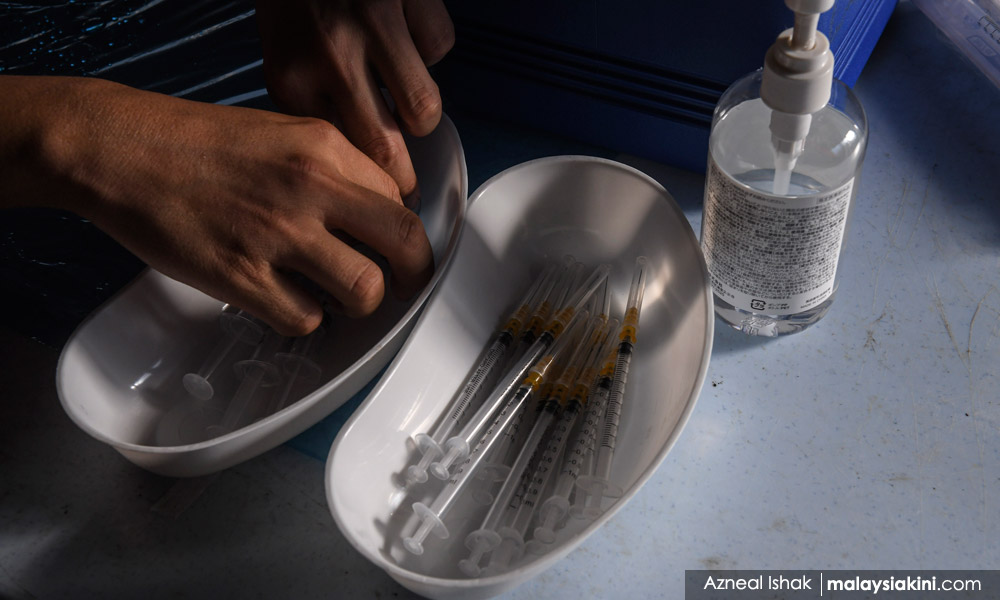
They come in 10-dose vials with an orange cap as opposed to the blue ones found on adult formulations and will need to be mixed with 1.3ml of saline solution before it is administered in 0.2ml doses each containing 10 micrograms of mRNA vaccine.
For comparison, the adult formulation is administered in 0.3ml doses each containing 30 micrograms of the mRNA vaccine.
The second dose of the vaccine will be administered eight weeks after the first dose.
“Based on the latest data, the eight-week interval will give a higher immune response and efficacy and has the potential for longer-lasting protection.
“Moreover, data also shows that the interval reduces the risk of myocarditis and is recommended by health authorities across the world including the UK, Canada, and Australia,” he said.
With that, the government is aiming to provide at least one dose to 70 percent of children aged five to below 12 who are enrolled in the education system within two months from the start of the programme and fully vaccinated 80 percent within six months.
This is despite a recent government survey finding that less than 60 percent of parents have expressed willingness to get their children vaccinated against Covid-19.
“We will educate parents, and perhaps when more get vaccinated and they see there aren’t any issues, I hope more will come forward to give permission for their children to be vaccinated,” he said while acknowledging that the survey findings were not as high as hoped.
He said this when asked whether the vaccinations will be made compulsory.