



KINIGUIDE | The anti-hopping law detour
KINIGUIDE | The much anticipated anti-party hopping bill was not tabled on March 21 nor April 11 as originally promised by the federal government.
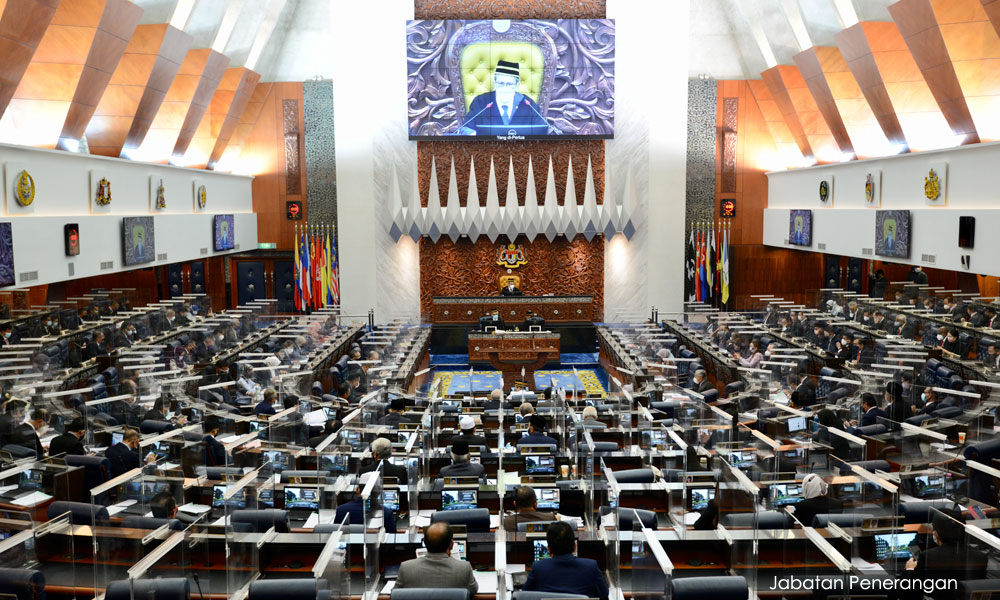
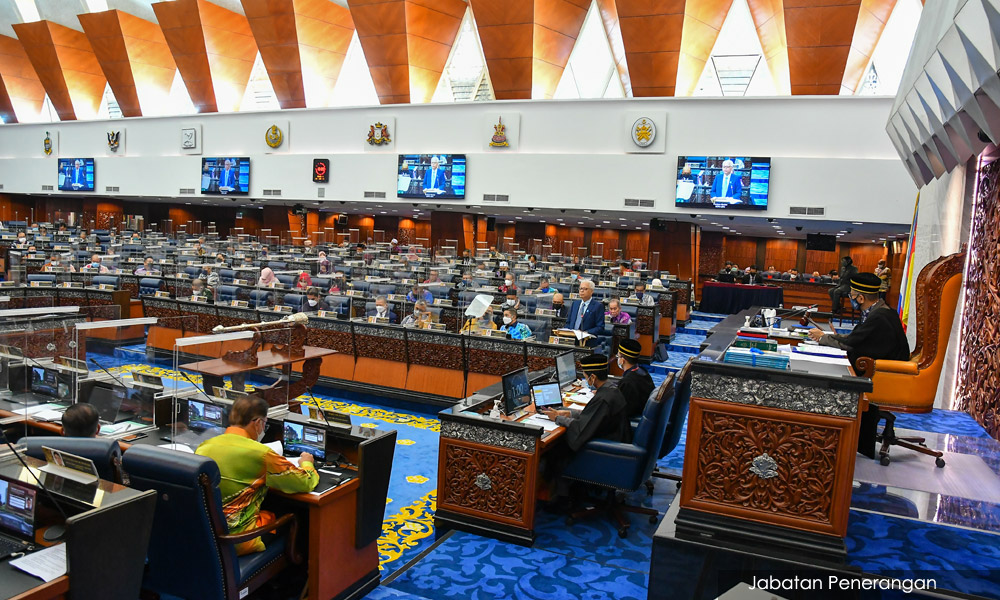
Instead, the Dewan Rakyat on Monday decided that the bill needed to be further worked on by a bipartisan select committee.
This instalment of KiniGuide attempts to explain the functions of the select committee and the detour taken by the bills related to the anti-hopping law...
KINIGUIDE | The much anticipated anti-party hopping bill was not tabled on March 21 nor April 11 as originally promised by the federal government.
Instead, the Dewan Rakyat on Monday decided that the bill needed to be further worked on by a bipartisan select committee.
This instalment of KiniGuide attempts to explain the functions of the select committee and the detour taken by the bills related to the anti-hopping law.
What are select committees?
At the beginning of every Parliament session (now in the 14th), the standing orders require five committees to be set up - Selection Committee, Public Accounts Committee, Standing Orders Committee, House Committee and the Privileges Committee.
These are permanent committees involved in matters concerning Parliament, except for the Public Accounts Committee, which has a mandate to check on government finances.
All other committees are regarded as special select committees and can be formed in an ad hoc manner.
How many special select committees are there?
Prime Minister Ismail Sabri Yaakob's administration began with 10 special select committees being formed, each given specific mandates to check on different parts of the government.
Another was added on April 11, not to check on the government but specifically to study constitutional amendments and draft legislation addressing the switching of parties by lawmakers.
Unlike other select committees, the one formed on April 11 wasn't given a name. The rest of this article will refer to it as the "Wan Junaidi committee".

Who is on the Wan Junaidi committee?
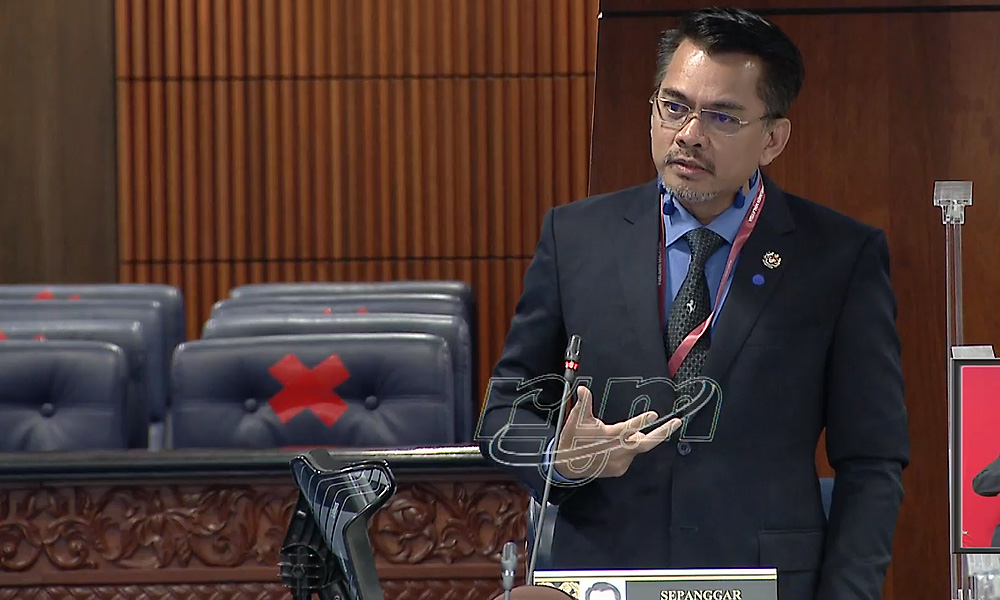
Wan Junaidi Tuanku Jaafar (GPS-Santubong, minister in the Prime Minister’s Department for Parliament and law)
Azalina Othman Said (BN-Pengerang)
Mohamad Nazri Abdul Aziz (BN-Padang Rengas)
Hamzah Zainudin (PN-Larut, home minister)
Takiyuddin Hassan (PN-Kota Bharu, energy and natural resources minister)
Lukanisman Awang Sauni (GPS-Sibuti)
Gobind Singh Deo (Harapan-Puchong)
Mohamed Hanipa Maidin (Harapan-Sepang)
Wilfred Madius Tangau (Harapan-Tuaran)
Saifuddin Nasution Ismail (Harapan-Kulim Bandar Baharu)
Ignatius Darell Leiking (Warisan-Penampang)
It should be noted that all 11 MPs have a background in law except Hamzah, Lukanisman, Wilfred and Saifuddin.
Additionally, Takiyuddin, Azalina and Nazri once held the minister in the Prime Minister’s Department post for Parliament and law and Hanipa is a former related deputy minister.
Why are there three ministers on the committee?
There is nothing in the standing orders that bars members of the executive in a special select committee although typically this doesn't happen because special select committees are usually tasked with checking on the government.
However, in the case of the Wan Junaidi committee, it does not perform a watchdog function but will instead make recommendations on bills.
There was a precedent in 2011 when Kota Marudu MP Maximus Ongkili chaired the electoral reforms select committee while holding the position of science, technology and innovation minister.
Unlike the UK, Malaysia does not have a permanent select committee overseeing all bills.
What can we expect from the Wan Junaidi committee?
Explicitly, the committee's mandate is as follows:
Define what it means to restrict MPs from switching parties;
Study proposals to abolish Article 48(6), among other articles, of the Federal Constitution; and
Draft a bill to restrict MPs from switching parties.
Haven't we been through this process before?
Yes. Wan Junaidi consulted stakeholders and MPs for months before coming up with a bill that was shown to the MPs.
That bill proposed for the anti-hopping law to be built into the Federal Constitution, similar to Article 46(2)(b) of Singapore's Federal Constitution.
The minister even stated before that Article 48(6) would be done away with.
Then why are we re-doing the bill?
On April 6, the cabinet had a change of heart.
It decided that the special Dewan Rakyat meeting on April 11 would only decide whether to insert an "enabling clause" into the Federal Constitution, to allow for future laws that would restrict MPs from switching parties, as the Constitution in its current form allows for freedom of association.
Based on the Hansard for April 11, Wan Junaidi told the Dewan Rakyat that there were "a few" cabinet members who wanted changes.
Since the cabinet had changed the terms unilaterally, Pakatan Harapan too altered its position.
On the morning of April 11, Harapan managed to convince the prime minister to hold off the vote and instead form a new special select committee to re-do the bill.
This was a rare eleventh-hour change to the Dewan Rakyat itinerary. Even Dewan Rakyat speaker Azhar Azizan Harun was taken by surprise.
How is the process different this time?
The forum has changed. Previously, the drafting of the law was the responsibility of the Legal Affairs Division of the Prime Minister's Department.
Now that it is the responsibility of the Wan Junaidi committee, MPs - elected by the public - are directly involved.
As all special select committees are an extension of Parliament, every select committee meeting will be recorded in the Hansard, which, in theory, should be fully available to the public.
When is the deadline?
The Dewan Rakyat, on April 11, passed a motion to form the Wan Junaidi committee while giving it a month to complete its work. However, the motion allowed for it to seek an extension if required.
According to Harapan's leadership, Ismail Sabri promised that another special Dewan Rakyat meeting will be called to pass all legislative matters concerning the anti-hopping laws before the end of May.

According to a memorandum of understanding between Ismail Sabri and Harapan, the anti-hopping law and laws mandating term limits for the prime minister should have been passed by the first meeting of the Dewan Rakyat’s fifth session.
That deadline had already lapsed on March 24. Ismail Sabri and Harapan had hitherto not addressed this.
At the time of writing, the Wan Junaidi committee has not set a meeting date.


Report this comment
Are you sure you want to delete this comment?
This action cannot be undone.