


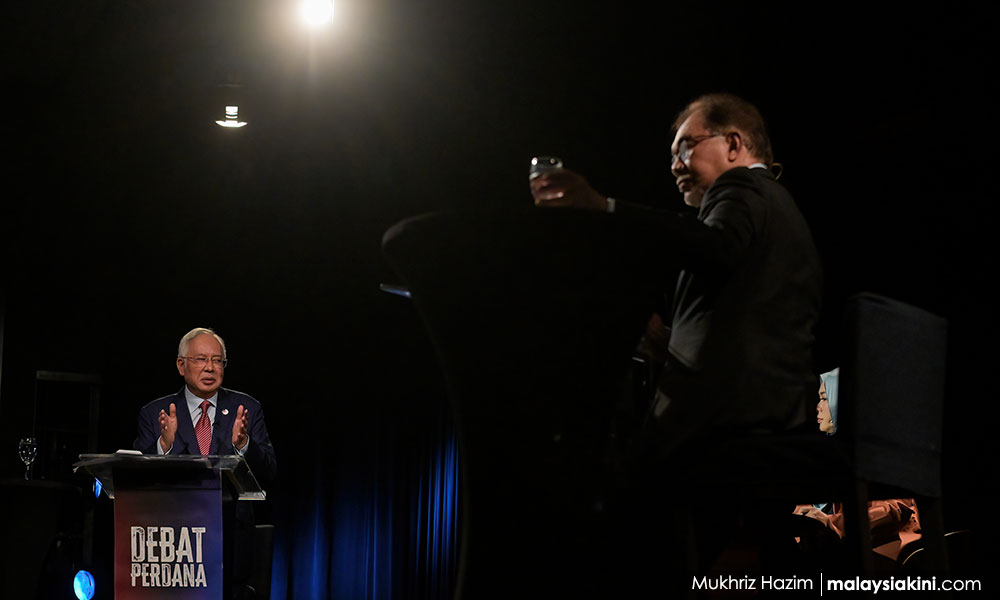

Debate: Anwar calls for greater transparency, Najib stresses political stability
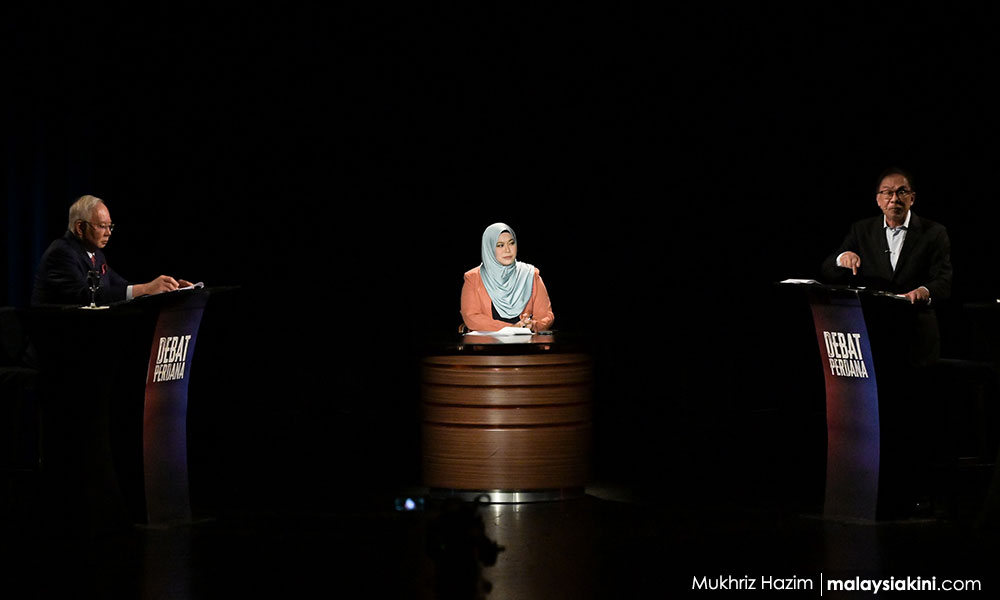
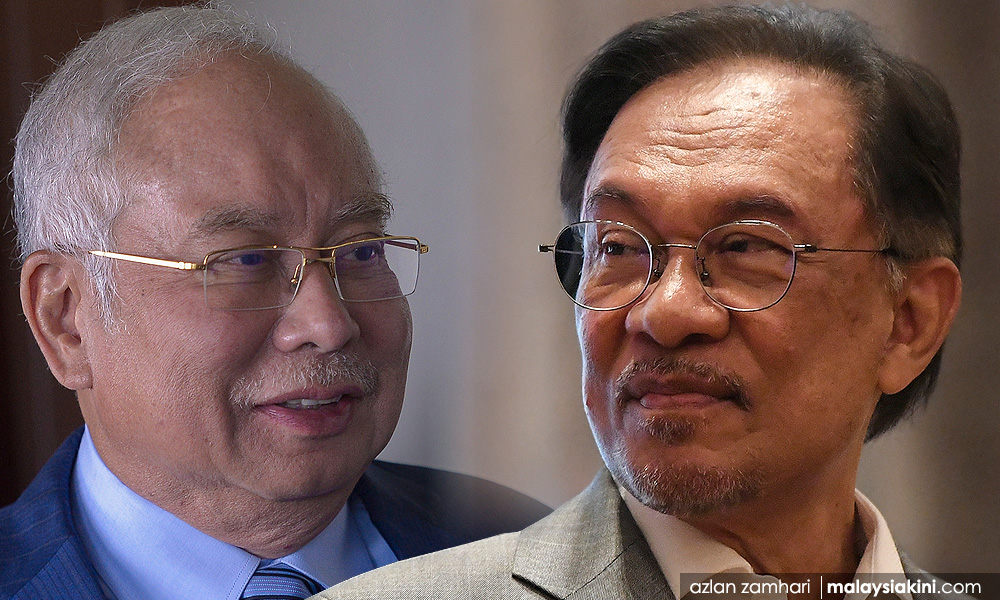
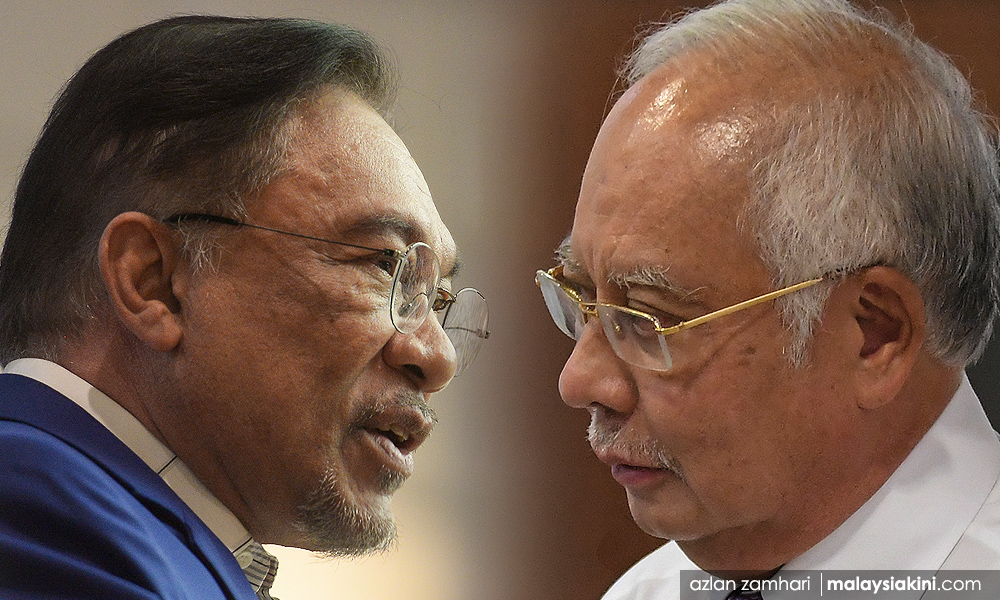
LIVE | PKR president Anwar Ibrahim and former prime minister Najib Abdul Razak are facing off tonight in a debate on the troubled government-linked company Sapura Energy Bhd as well as the country's future.
Malaysiakini brings you live updates of the debate.
9pm: Anwar and Najib shake hands when they get on stage.
Tonight's debate moderator is Malaysia Gazette's Haslina AR Kamaluddin.
The debaters are given four minutes for their remarks, and three minutes to reply.
They are not allowed to make personal attacks or raise any issues that are currently in court.
The audience has been reminded to keep silent during the
LIVE | PKR president Anwar Ibrahim and former prime minister Najib Abdul Razak are facing off tonight in a debate on the troubled government-linked company (GLC) Sapura Energy Bhd as well as the country's future.
Malaysiakini brings you live updates of the debate.
Fist-bump ending
10.30pm: The debate comes to an end with the two leaders bumping fists as the curtain falls on the event.
Thank you for following Malaysiakini's live coverage.
Reporting by Hariz Mohd, Low Choon Chyuan, Mukhriz Hazim, and Baharudin Suarnur.
Race against time: Najib stresses need for stability
10.27pm: Najib speaks out against political appointments and interference in the justice system during his closing remarks.
"There should be no more political appointments, no more political interference," he says, adding that strengthening public institutions will also help safeguard the country's future.
The Pekan MP says Malaysia is in a race against time to develop so that it is not left behind by other neighbouring countries.
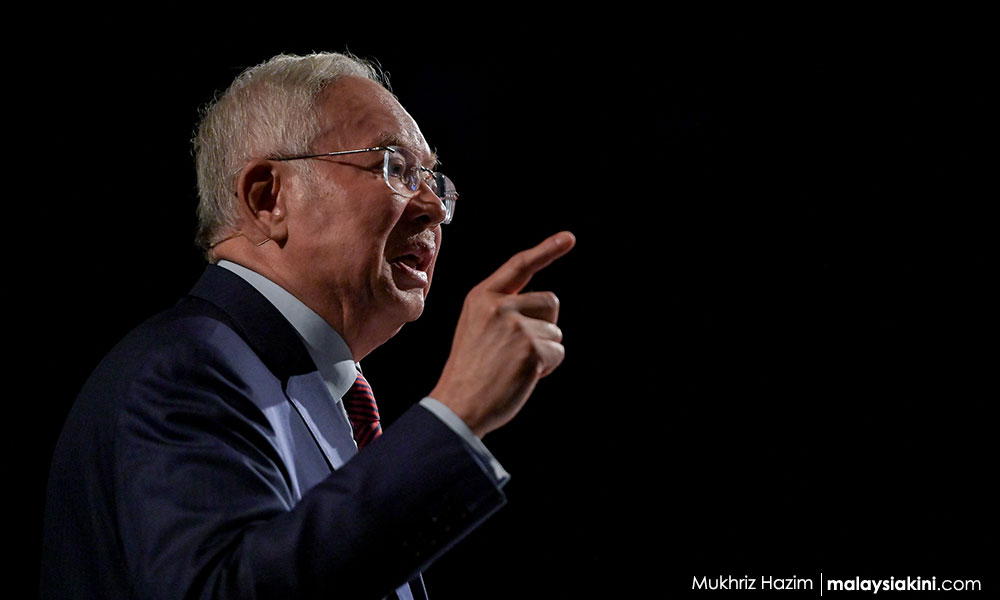
This requires political stability and a government that is capable of carrying out long term planning to develop the nation, he adds.
On the subject of transparency and good governance, Najib argues this can be implemented by having open tenders for projects so that the best company for the job wins the contract and not cronies.
Opposition chief calls for greater transparency
10.25pm: In his closing remarks, Anwar reiterates that the country's policies should not prioritise benefiting elites and corporations over the public.
He gives the example of the government rushing to roll out 5G via Digital Nasional Berhad and dishing out contracts, even though basic connectivity in many places including his constituency at Port Dickson is shoddy.
He says if projects and policies are truly meant to benefit the people, there must be greater transparency.
There must also be more political will to address issues such as the environment, uncontrolled deforestation, and corruption such as alleged capital flight exposed in the Panama and Pandora Papers, the opposition chief adds.
Cash aid creates 'dependency syndrome' - Anwar
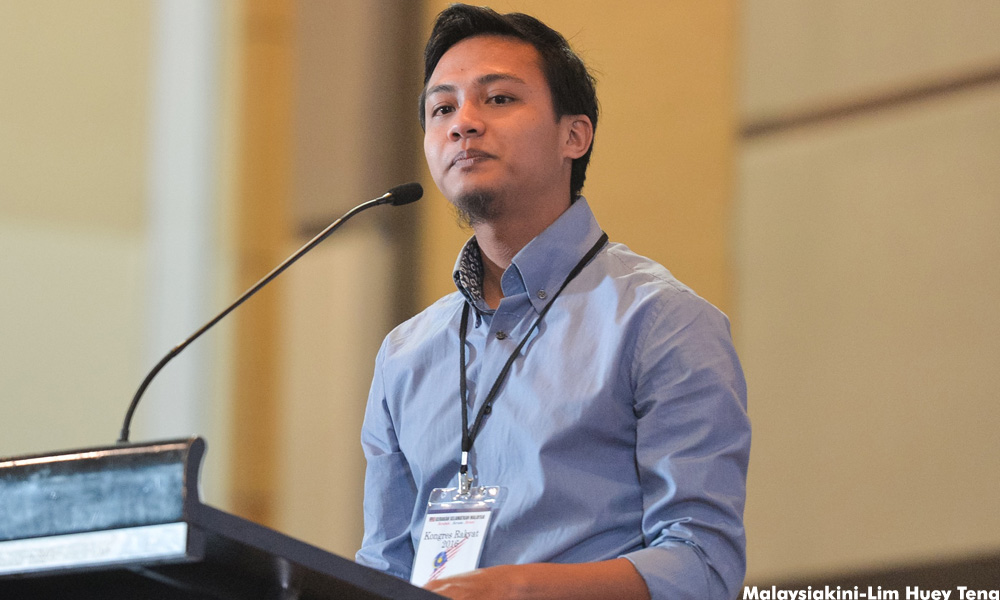
10.22pm: Lembah Pantai MP Fahmi Fadzil, who is also the PKR communications director, is the next audience member to ask a question.
He asks how Anwar plans to raise the public’s spirits as they become increasingly disenfranchised.
Anwar says the solution is to convince the public that politicians should be held accountable and be transparent about their earnings.
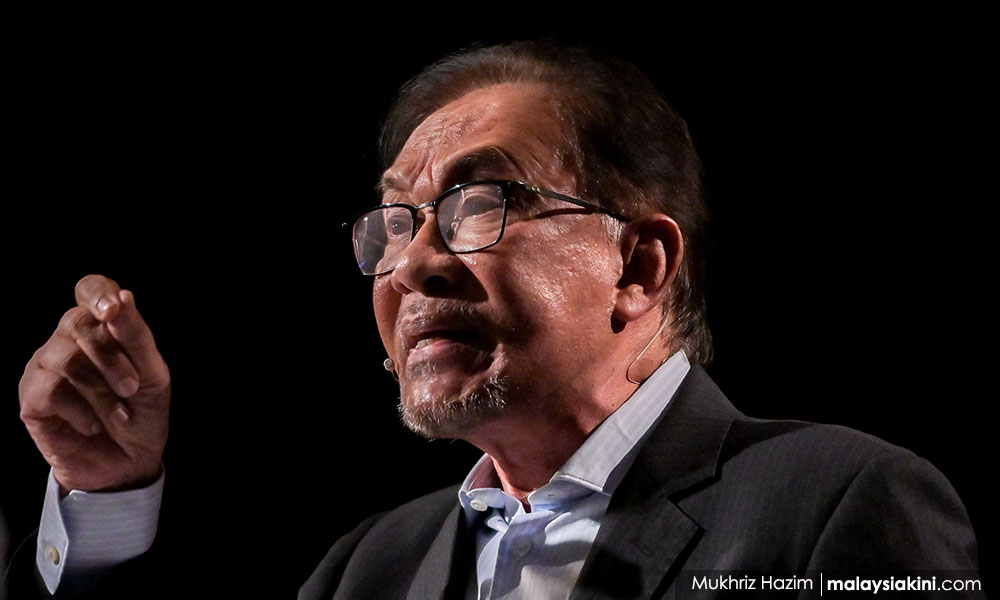
He adds that political stability should not benefit politicians or allow them to continue to pilfer the country, but should instead benefit the people.
Anwar then takes a swipe at Najib's cash is king remark, saying that this was only meant to create a "dependency syndrome".
"This is helping the poor so that they are indebted to us, so that they support us, not to give them (economic) independence," he says.
Public is the ‘king’ of cash, says ex-PM
10.20pm: In the fourth round of the debate, members of the audience are given a chance to ask questions.
A medical officer named Masliha asks Najib to comment on Bank Negara's overnight policy rate, and how it will impact the public. She cites how he is often tied to the phrase "cash is king".
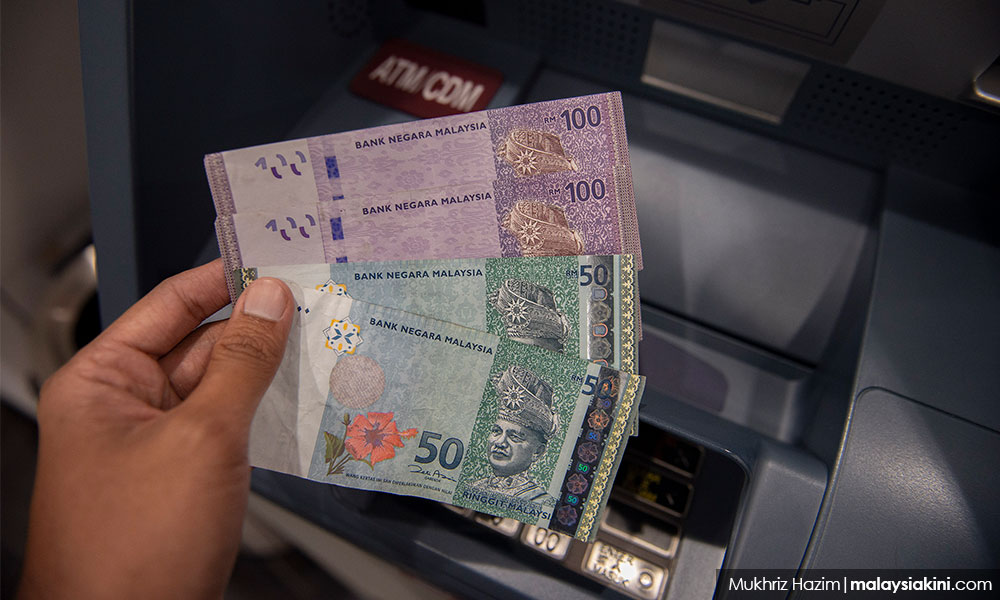
Najib reiterates his claim that the "king" in "cash is king" is the public, and that the best way to help the people is via direct cash transfers for them to spend as they wish.
Najib quizzes Anwar on forex scandal
10.15pm: Najib in his question to Anwar, asks him to state his stand on Harapan taking no further action on the findings of the Royal Commission of Inquiry into the 1990s foreign exchange (forex scandal).
Anwar replies that he has no problem with investigations into the forex scandal being reopened.
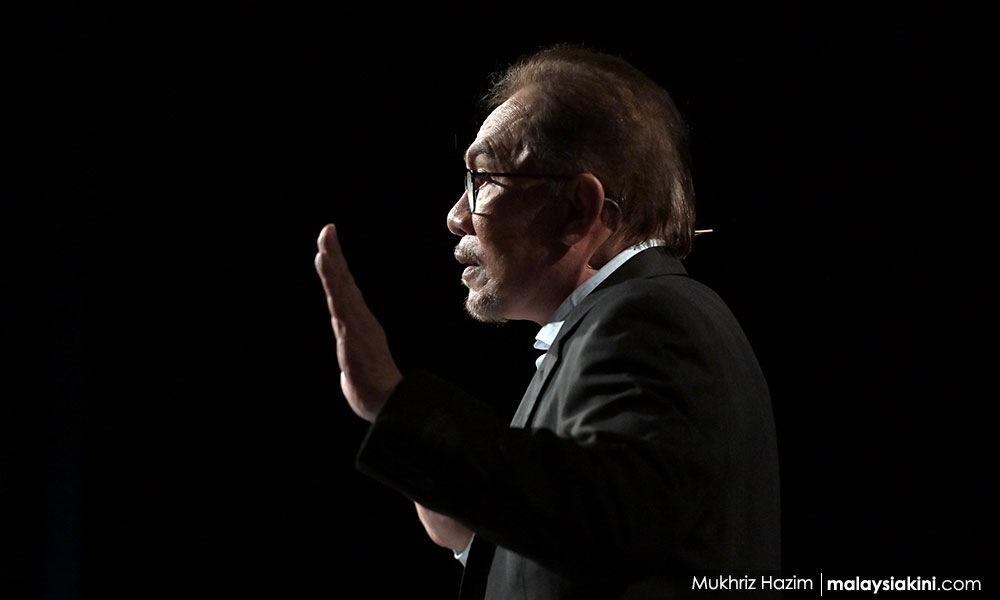
He adds that there is nothing to stop the attorney-general (AG) from reopening all cases of selective prosecution in the country
He chides Najib, saying that the current prime minister is also from Umno and the party can hold a meeting to also instruct the AG to reopen cases of selective prosecution.
Najib slams Harapan’s ‘political appointments’
10.10pm: In the third round of the debate, the debaters get to ask each other questions.
Anwar gets the first question and asks why Najib's transformation initiative as prime minister faltered and questions whether it was due to integrity issues.
Najib replies by defending his track record as prime minister, in which the country's GDP growth had been among the highest in the region then, while the stock market experienced a record long bull run.
He says his government also carried out various public infrastructure projects such as low cost housing.
While he agrees that corruption is a major issue, he says it should not obfuscate other achievements.
Najib then turns the tables by attacking Pakatan Harapan's "political appointments" of Tommy Thomas and Latheefa Koya as attorney-general and MACC chief respectively.
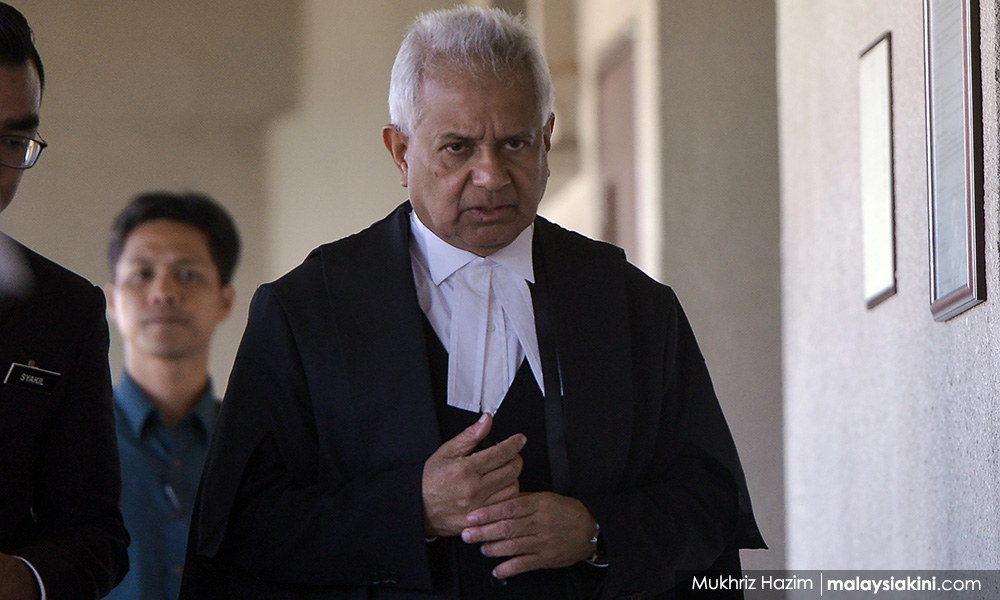
He says such political appointments jeopardised efforts to combat corruption.
'If you want to combat corruption, don't practise selective prosecution," he cries.
It should be noted that Najib himself has been accused of meddling in the appointment of the attorney-general and MACC chief.
At the height of the 1MDB scandal, Najib was accused of forcing then-attorney-general Abdul Gani Patail into retirement amid speculation that the latter was about to file charges against him.
Gani's successor, Mohamed Apandi Ali, later absolved Najib of any wrongdoing in the 1MDB and SRC International cases.
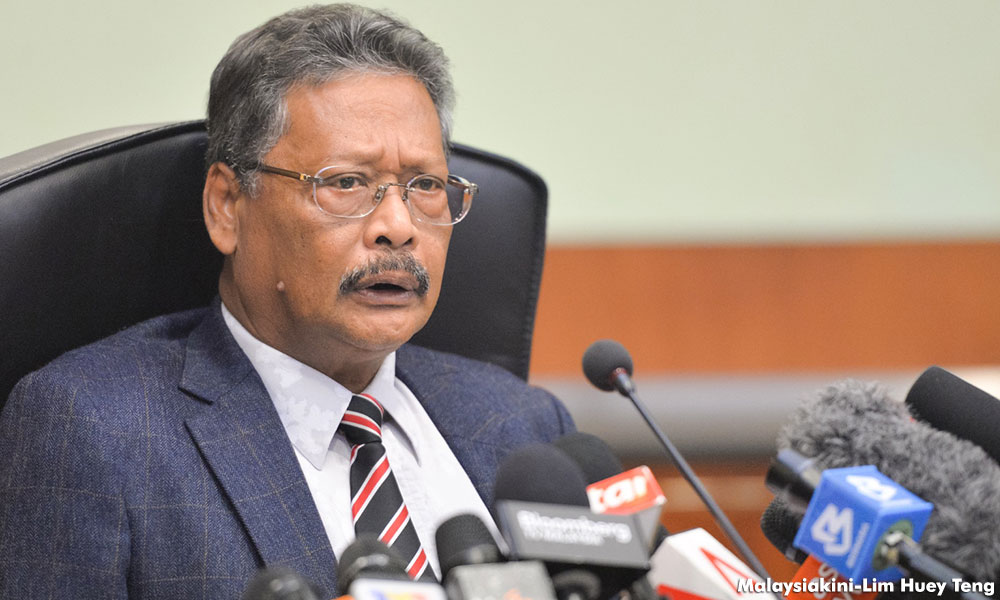
Najib's tenure also saw one of Apandi's close associates, Dzulkifli Ahmad, installed as the MACC chief. Dzulkifli has been accused of stalling investigations into 1MDB.
Recordings revealed by the MACC in early 2020 showed that while in the Attorney-General's Chambers with Apandi, Dzulkifli had expressed grave concern to Najib over the MACC's 1MDB probe.
‘GST would’ve benefited M’sians greatly’
10.05pm: Najib proclaims that if the GST was still in effect, the people would have benefited greatly today.
"We collect GST when the situation is good. When there is trouble, we (the government) have funds saved up that we can distribute to the people.
"If we had GST, I am confident that Malaysians would be more comfortable today," he says.
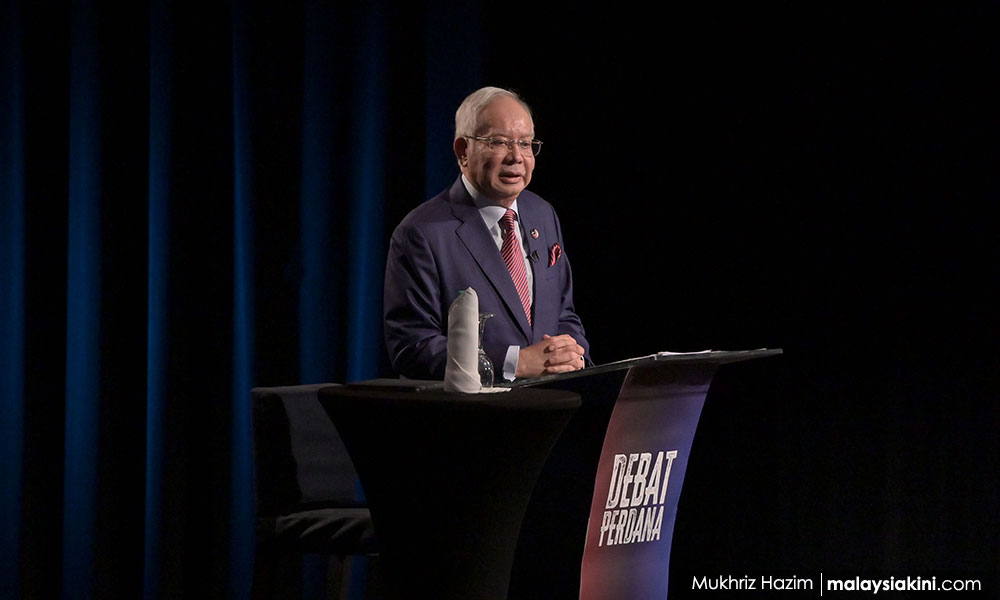
Earlier Anwar agreed that GST was a more democratic consumption tax, but that it disadvantaged the poor and unemployed.
Who will get a slice of the cake, asks Anwar
10pm: Still on the analogy of baked goods, Anwar questions who will be the one to decide which person will get a slice of the economic cake if the cake gets big enough?
He asks if elites will end up carving the cake among themselves and referenced the P Ramlee movie ‘Nujum Pak Belalang’ where two robbers divide treasure among themselves.
As such, he again stresses that integrity in government is paramount.
Megaprojects make economic cake bigger - Najib
9.50pm: Najib argues that megaprojects are needed to make the country's economic cake bigger.
'When the cake is big, we can cut it up to give to the people," he says.
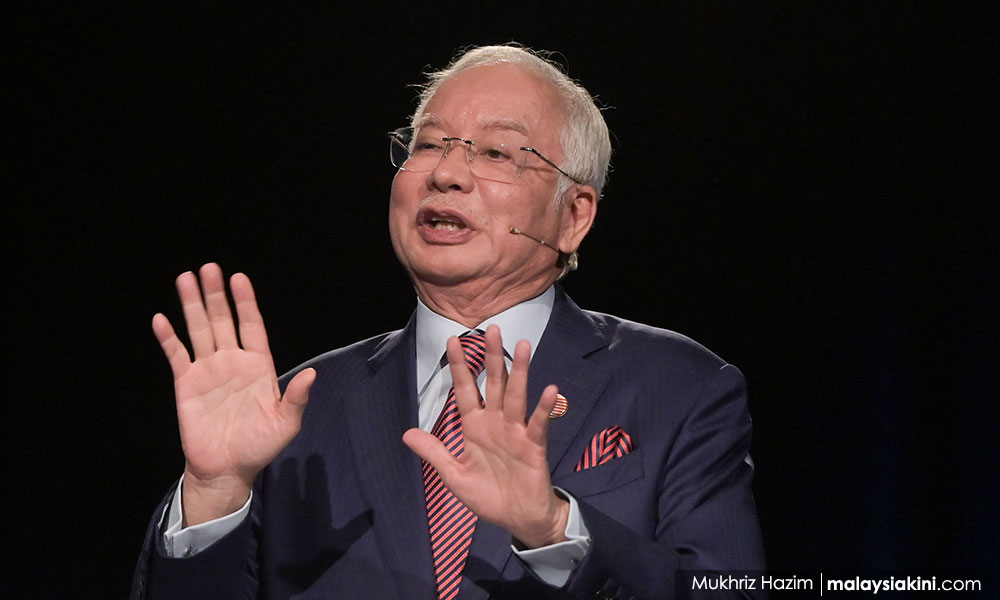
He then trumps up the now-repealed goods and services tax (GST) introduced during his tenure as prime minister, saying the taxes collected were later returned to the public via aid for fisherfolk and the 1Malaysia People Aid (BR1M), for example.
Returning to his cake argument, Najib says to grow the country's "cake" means growing its assets.
Therefore, he warned against the continued selling of government assets, such as buildings in foreign countries and shares.
"(Selling assets) is like selling the oven," he says.
It should be noted that Najib has been a major proponent of the Employees Provident Fund (EPF) to allow more emergency withdrawals to contributors.
Prior to announcing its fourth round of withdrawals in March, the EPF had said that it may have to sell its overseas assets to facilitate depositors taking out their money from the retirement fund.
‘Settle people’s basic needs first’
9.45pm: On the subject of megaprojects, Anwar says pursuing such efforts has come at the expense of basic needs for the people such as healthcare, quality education, and even water supply.
"Even water supply has not been resolved, but we want to build a high-speed rail (HSR), and other mega projects," he says.
Anwar says while a country should aspire for major developments, basics must be resolved.
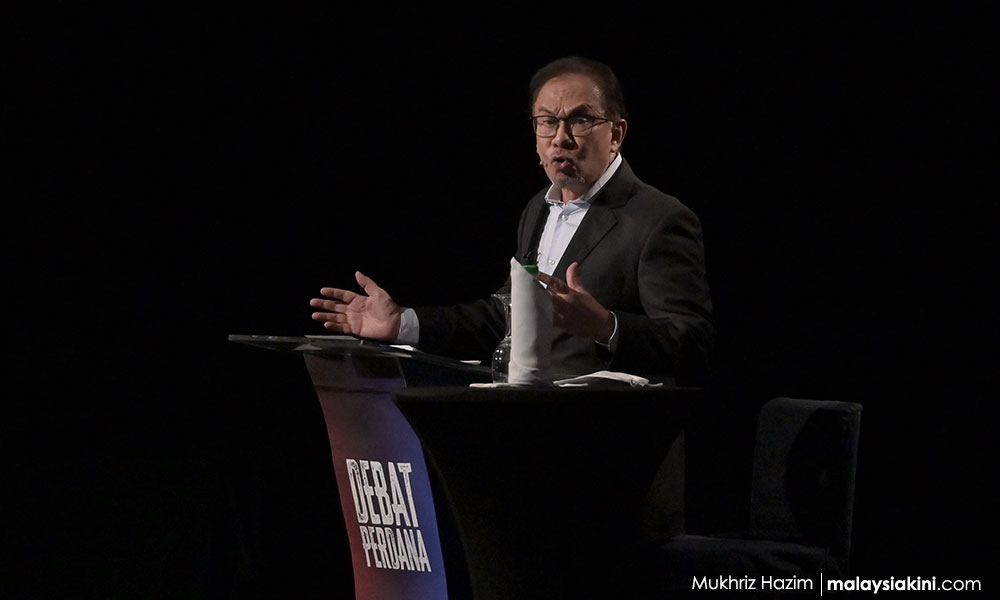
Taking on Najib's South Korea example, the PKR president argued that the country started its development not with Hyundai and Samsung, but by uplifting its agriculture sector.
He also says that Parliament must be empowered to go over national projects, so that there are necessary controls in place, such as to limit deforestation, land grabs, as well as to ensure the good management of public funds.
Najib urges M'sia to emulate S Korea
9.40pm: Najib says Malaysia should emulate South Korea which has major global corporate players such as Samsung and Hyundai.
He says Petronas and Sapura could be those kinds of companies.
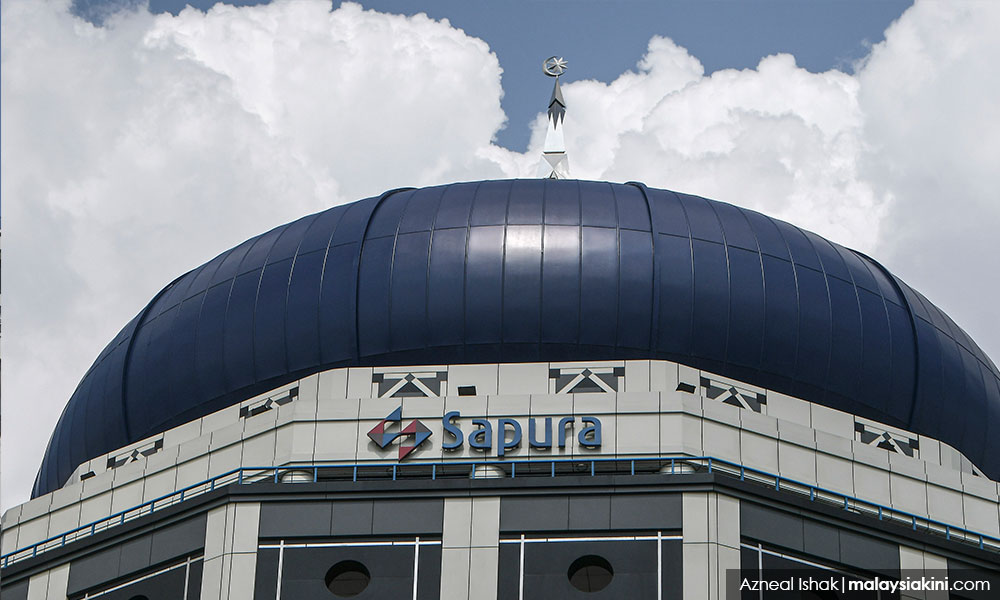
He then takes a swipe at former premier Dr Mahathir Mohamad over the sale of IHH Healthcare Berhad, which he says could have been a global medical service provider.
While companies should be uplifted, he says the people should also be given as many job opportunities and upward social mobility, regardless of their current socioeconomic backgrounds.
Rescuing big firms not the way to save M’sia: Anwar
9.35pm: In the second round of the debate regarding the country's future, Anwar says saving big companies is not the way to save Malaysia.
"When we talk about bailouts, we show that our priority is mega corporations. 'To save the country we must save the mega corporations'.
"I say that to save the country, we must save the people at the bottom first, their education, their jobs, their livelihoods," he adds.
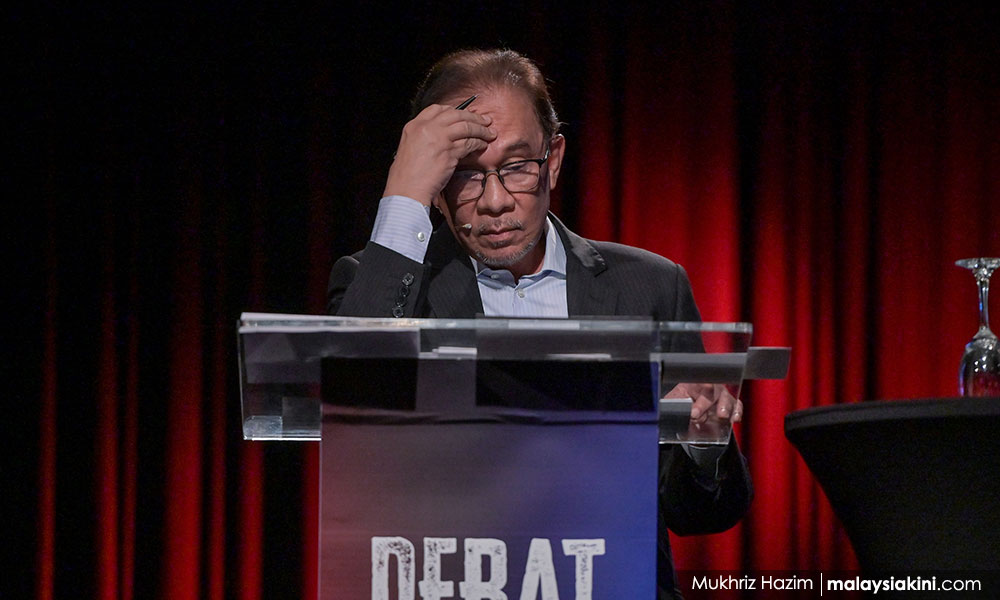
Anwar says politics must also move away from power struggles which the public is sick of.
Najib later agrees that political stability is important, and that Malaysia must never again go through a situation where there are three governments in four years if it wants to retain investor confidence.
Anwar emphasises forensic audit
9.30pm: Anwar claims that the decision for PNB to buy a bigger stake in Sapura was done by Abdul Wahid Omar, the PNB chairperson when Najib was in power.
He says that Wahid's successor Zeti Akhtar Aziz had her hands tied when she took over and had to proceed with buying more shares as the funds had already rolled out.
Anwar also rubbishes Najib's plans, arguing that a Petronas bailout also involves public funds.
He hammers again that a forensic audit is needed, and not to let mismanagement of bumiputera companies and GLCs go unpunished.
Najib wants Petronas to step in
9.25pm: Najib suggests that Petronas take over Sapura, and guarantee that RM7 billion in contracts by Sapura are fulfilled.
He says Petronas can also ensure working capital for Sapura.
"When the company recovers, its shares bounce back, Petronas can sell off the company and make a profit," he adds.
He says this will benefit not just Petronas, but also the ASB investors and the country as a whole.
His alternative solution is for Sapura to get bank loans that are government-guaranteed, while also getting assistance from Petronas such as by increasing the value of contracts while oil prices are at an all-time high.
Najib agrees with taking action on misappropriation
9.20pm: Asked about the implications of bailing out Sapura, Najib stresses that the company employs over 10,500 highly skilled locals and that its beneficiary owners include the 10.6 million investors in Amanah Saham Bumiputera (ASB).
He expresses agreement that if there is any misappropriation of funds, action should be taken.
Anwar uses his turn to again emphasise the need for a forensic audit, after which Sapura's own management can put forth whether or not they need government assistance.
The Port Dickson MP also stresses that GLCs should have good governance, and be able to solve problems instead of relying on bailouts when things get tough.
Anwar points out it’s a matter of integrity
9.15pm: Anwar in his opening, argues that before there is any sort of intervention for Sapura Energy there must be a forensic audit.
He says the Sapura issue is a repeat of many cases of GLCs where bumiputera elites make a lot of profits, but then saddle the companies with various problems afterwards.
He cites how Sapura's former CEO Shahril Shamsuddin made over RM1 billion in remuneration from 2009 to 2021, and also the profits reaped by former substantial shareholder Mokhzani Mahathir when the latter sold off his shares between 2015 and 2017.
It is estimated that Mokhzani received between RM3 billion and RM4 billion by selling off Sapura shares.
Anwar says Sapura's problems are just like what has happened to 1MDB, Felda, Tabung Haji, and may happen to Digital Nasional Berhad.
Thus, he argues that there is a massive issue regarding integrity that needs to be addressed.
Najib: If Sapura goes bankrupt, people lose out
9.10pm: Najib in his opening remarks argues that the shared vision for Malaysia should be to make the country a high-income advanced economy.
To achieve this, the oil and gas sector is vital and Sapura Energy plays a strategic role - especially since it is now a GLC owned by PNB.
"So if we save Sapura, it will benefit the people. But if Sapura goes bankrupt, the people lose out," he says.
He adds that his plans to save Sapura will not involve a single sen of public funds.
Kicking off with a handshake
9pm: Anwar and Najib shake hands when they get on stage.
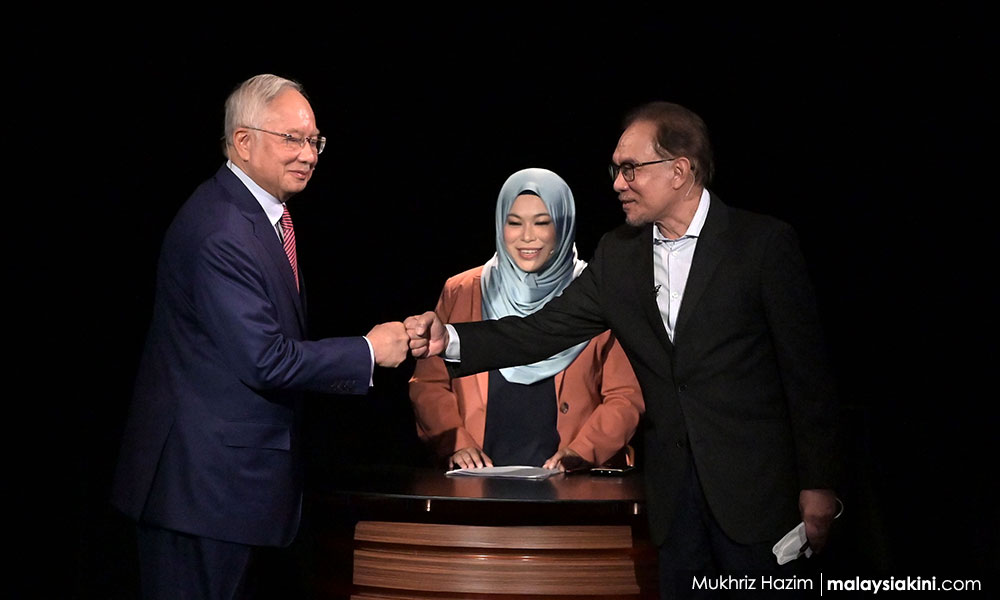
Tonight's debate moderator is Malaysia Gazette's Haslina AR Kamaluddin.
The debaters are given four minutes for their remarks, and three minutes to reply.
They are not allowed to make personal attacks or raise any issues that are currently in court.
The audience has been reminded to keep silent during the 90-minute debate, and not boo or cheer.
They had earlier engaged in a shouting match, with Najib supporters chanting ‘bossku’, and Anwar's supporters chanting ‘reformasi’.
Sold out event
8.50pm: The crowd at the Malaysia Tourism Centre (Matic) is eagerly awaiting the debate to start.
Both Najib and Anwar have arrived for their showdown and will be on stage soon.
All 400 tickets to watch the event in person at the venue were sold, according to organisers.
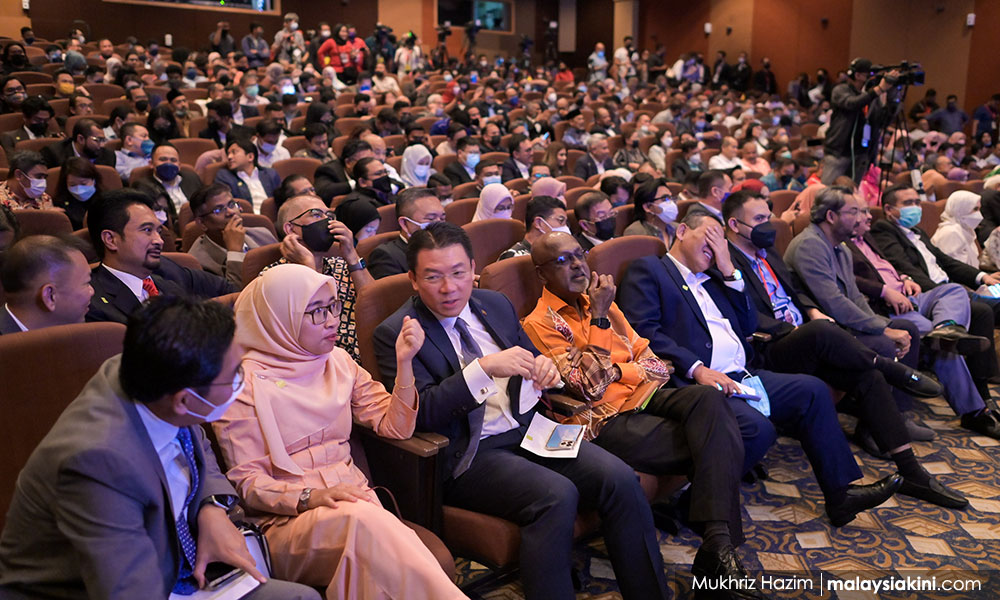
Among those in the audience are Umno president Ahmad Zahid Hamidi and DAP secretary-general Anthony Loke.
Security for the event has been tight, with personnel doing thorough checks on those coming in - including going through their bags.
Debate topics - Sapura Energy and country’s future
8.45pm: There are two topics that Najib and Anwar will debate tonight.
Firstly, on whether the government should assist ailing Sapura Energy. Secondly, on the issue of the country’s future in terms of the economy, politics and direction.
Some Sapura Energy subsidiaries were served winding-up petitions in March, prompting Najib to seek government assistance.
The Pekan MP argued that since Permodalan Nasional Bhd - a government-controlled fund - had in 2019 poured RM4 billion into Sapura Energy, efforts must be taken to save the investment or at least prevent its assets from being sold to foreigners.
For the financial year ending Jan 31, Sapura Energy posted a loss of RM8.9 billion
Tonight's event is the first time Najib has accepted a debate invitation since he became prime minister in 2009.
Anwar's last televised debate outside Parliament was against then-information minister Ahmad Shabery Cheek in 2008.


Are you sure you want to delete this comment?
This action cannot be undone.