



M’sia records 5pct growth in Q1 2022 as economic activities normalises - BNM
Malaysia’s economy has rebounded in the first quarter of 2022 (Q1 2022), registering a five percent growth versus a contraction of 0.5 percent in first quarter (Q1) of 2021.
The positive economic performance was underpinned by improving domestic demand as economic activities continued to normalise with the easing of containment measures.
The country’s gross domestic product...
Malaysia’s economy has rebounded in the first quarter of 2022 (Q1 2022), registering a five percent growth versus a contraction of 0.5 percent in first quarter (Q1) of 2021.
The positive economic performance was underpinned by improving domestic demand as economic activities continued to normalise with the easing of containment measures.
The country’s gross domestic product (GDP) has met the projections set by economic analysts who were optimistic about the country’s improving domestic demand, especially private consumption which forms 58.8 percent of the GDP.
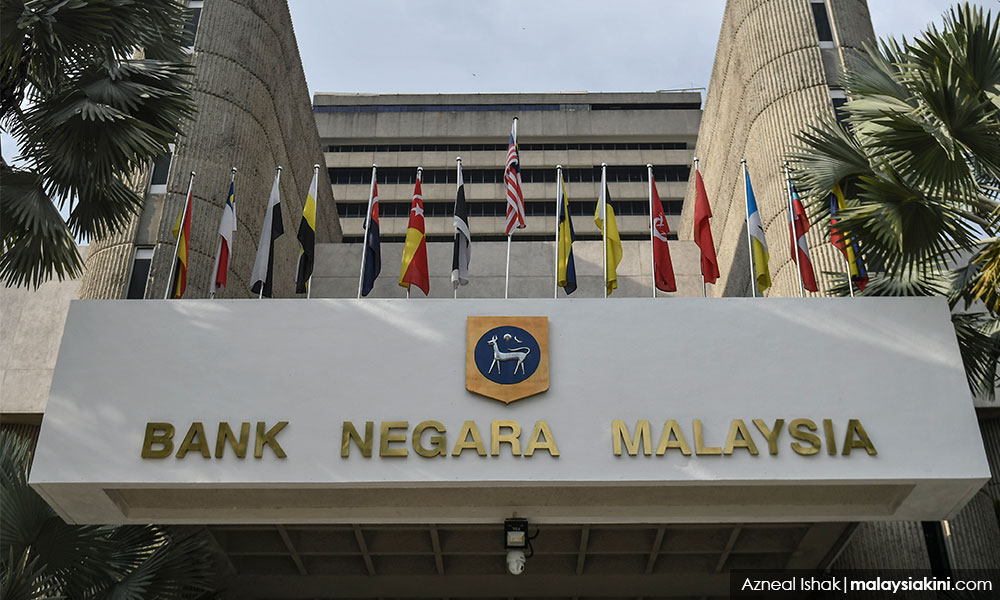
“The improvement also reflects the recovery in the job market, with the unemployment rate declining further to 4.1 percent (Q4 2021: 4.3 percent), as well as continued policy support,” said Bank Negara Malaysia (BNM) governor Nor Shamsiah Mohd Yunus (above).

Speaking at the press conference on Malaysia’s Q1 2022 GDP performance in Kuala Lumpur today, she said that strong external demand amid the continued upcycles in global technology had helped to boost growth.
On the supply side, the services and manufacturing sectors have continued to drive economic growth, expanding by 6.5 percent and 6.6 percent, respectively.
On a quarter-on-quarter seasonally adjusted basis, the economy grew by 3.9 percent in Q1 2022, compared to 4.6 percent in Q4 2021.
Headline inflation moderated to 2.2 percent
Headline inflation moderated to 2.2 percent during the quarter from 3.2 percent in Q1 2021, mainly reflecting the dissipating base effect from lower domestic retail fuel prices last year and the absence of the base effect from electricity tariff rebates implemented in 2020.
Core inflation increased to 1.7 percent during the quarter (Q4 2021: 0.8 percent) due to price adjustments amidst higher costs and improving demand conditions, with price increases being more noticeable in food items due to supply-related factors such as higher global commodity prices.
“In an environment of high input costs and improving demand, headline inflation is projected to average between 2.2 percent and 3.2 percent this year.
“Underlying inflation, as measured by core inflation, is also expected to trend higher during the year, averaging between 2.0 and 3.0 percent,” said BNM.
Several key factors are expected to alleviate the upward pressure on prices, namely the existing price control measures and the continued spare capacity in the economy.
Nonetheless, the inflation outlook remains subject to commodity price developments, mainly arising from the military conflict in Ukraine and prolonged supply-related disruptions, as well as domestic policy measures on administered prices, it said.
Services and manufacturing sectors
On the supply side, services and manufacturing sectors continued to drive economic growth, expanding by 6.5 percent and 6.6 percent, respectively.
The agriculture sector marginally rose by 0.2 percent In Q1 2022 compared to 2.8 percent in the preceding quarter, while the mining and quarrying sector further decreased by 1.1 percent from a marginal decline of 0.6 percent previously.
Meanwhile, the construction sector declined 6.2 percent from 12.2 percent in Q4 2021.
Ringgit depreciates
On the ringgit performance, the central bank said the local note depreciated by 0.7 percent against the US dollar in Q1 2022 (year-to-date as of May 11, 2022: -4.7 percent), broadly in line with the movement of regional currencies.
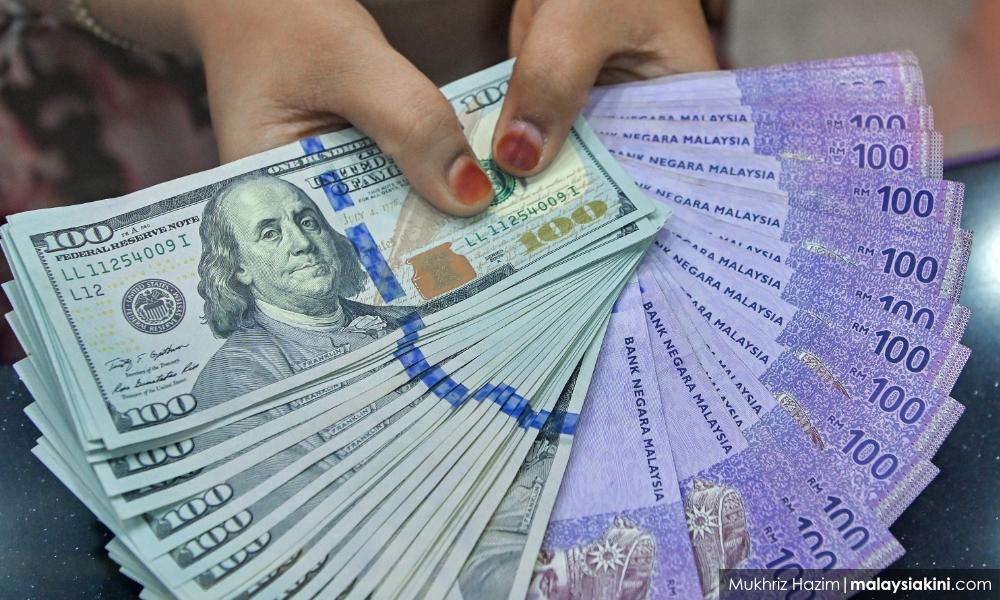
This was due to the broad US dollar strength, driven by the United States’ higher interest rates, global risk-off sentiment due to the conflict in Ukraine and expectations of modest economic growth in China.
However, higher commodity prices and Malaysia's recovery prospects helped to cushion the downward pressure on the ringgit.
“Going forward, while domestic financial markets are subject to periods of high volatility, spillovers to domestic financial intermediation are expected to be contained.
“Malaysia’s strong external position and resilient banking system enable the economy to withstand external shocks,” it said.
Net financing to the private sector grew by 4.5 percent (Q4 2021: 4.7 percent) amid lower growth in outstanding corporate bonds (Q1 2022:4.6 percent; Q4 2021: 5.4 percent).
Outstanding loan growth was sustained at 4.4 percent while business loan growth moderated to 4.3 percent (Q4 2021: 4.8 percent), reflecting lower growth in outstanding working capital loans amid continued high repayments growth.
- Bernama




Are you sure you want to delete this comment?
This action cannot be undone.